
















Find Your Perfect Vacuum: A Quick Buyer’s Guide
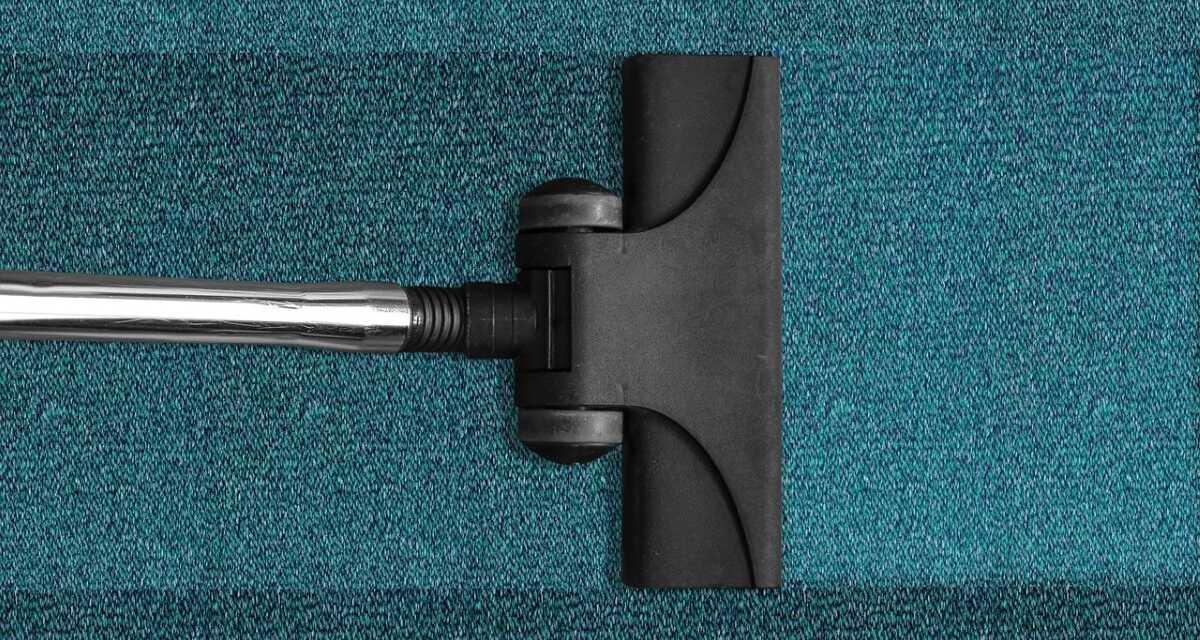
Choosing the right vacuum cleaner might seem simple, but with so many types and features available, it’s easy to feel overwhelmed. Whether you live in a small apartment or a large family home, this guide will help you identify what matters most so you can select the vacuum that fits your lifestyle.
Key Features to Consider
Not all vacuums are created equal, and what works for one household may not suit another. To make an informed decision, consider the following key features that can significantly impact your cleaning experience:
- Suction Power: A vacuum’s performance often comes down to its suction strength. Strong suction is essential for deep-cleaning carpets and removing debris from crevices. When evaluating suction power, consider the vacuum’s motor wattage and airflow, which together determine how effectively it can pick up dirt and hair.
- Type of Filtration: For people with allergies or asthma, a vacuum with a high-efficiency filter can make a big difference. HEPA filters are designed to trap 99.97% of particles that are 0.3 microns or larger, helping to keep fine dust, pollen, and allergens from being released back into the air during cleaning.
- Vacuum Style: Upright, canister, stick, robotic, and handheld vacuums each have their pros and cons. Upright vacuums typically offer strong suction and larger dirt capacity, making them suitable for carpets. Canister vacuums are more versatile for various surfaces, while stick vacuums are lightweight and easy to maneuver. Robotic vacuums offer convenience but may lack the deep cleaning power of traditional models. Handheld vacuums are great for quick cleanups.
- Bagged or Bagless: Bagged vacuums are often more hygienic for dust disposal and hold more debris, making them a good option for allergy sufferers. Bagless models are more convenient and economical, but they may require more frequent maintenance and filter cleaning to ensure optimal performance.
- Corded or Cordless: Cordless vacuums offer flexibility and ease of movement but are limited by battery life. Consider the runtime and charging time if you choose a cordless model. Corded models deliver consistent power and are great for long cleaning sessions without the worry of a dying battery.
- Attachments: Tools like crevice nozzles, upholstery brushes, and motorized rollers expand your vacuum’s capabilities. These attachments can make it easier to clean stairs, furniture, or hard-to-reach places, ensuring a more thorough clean throughout your home.
- Noise Level: If you’re sensitive to sound or live in a shared space, noise output might be a factor to consider. Some vacuums are designed for quieter operation, which can be beneficial for households with young children or pets.
- Ease of Use: A good vacuum should feel comfortable to use. Features like swivel steering, adjustable handles, and lightweight design make a big difference over time. If you have multiple floors, consider the vacuum’s weight and maneuverability for easy transport.
How to Choose Based on Your Needs
The “perfect” vacuum depends entirely on your specific living environment, floor types, and daily routine. Here’s a quick breakdown to help you choose based on common needs:
- For Carpets: Look for a vacuum with strong suction, a rotating brush, and height adjustment features. This helps remove embedded dirt from thick fibers efficiently. Consider models with specialized carpet cleaning modes or settings for better performance on plush carpets.
- For Hard Floors: Choose a vacuum with a soft roller or a switch to disable the brush roll to prevent scratching. Suction without scattering debris is key, so models with rubberized wheels can also help protect your floors from damage.
- For Small Spaces: Stick vacuums or lightweight models with a slim profile are ideal. They’re easy to store and perfect for quick, daily cleanups. Consider vacuums that can convert into handheld units for added versatility.
- For Multi-Level Homes: Consider a portable or cordless vacuum that’s easy to carry between floors. Weight and maneuverability will matter more than power. A model with a long runtime and fast recharge time will enhance convenience.
- For Pet Owners: Prioritize vacuums with specialized pet tools and high-filtration systems to tackle fur and dander on both floors and furniture. Features like tangle-free brushes and powerful suction are crucial for effectively managing pet hair.
- For Allergy Sufferers: A sealed vacuum with HEPA-level filtration can drastically reduce allergens in the air, improving indoor air quality. Look for models that also feature a sealed design to prevent dust from escaping back into your home.
- For Busy Lifestyles: Robotic vacuums offer daily maintenance with minimal effort. While they can’t replace deep cleaning, they help maintain cleanliness between major sessions. Many modern robotic vacuums come with smart features that allow you to schedule cleaning sessions or control them via smartphone apps.
Final Tips Before You Buy
Take time to evaluate your living space and habits. Ask yourself how often you vacuum, whether you have pets or children, and what kind of floors you need to clean. The answers will help guide your decision more than flashy features or price alone. It’s also smart to test the vacuum’s comfort and maneuverability in-store if possible.
Additionally, consider the following tips:
- Read Reviews: Customer reviews can provide valuable insights into a vacuum’s performance and reliability. Look for feedback specifically related to your needs, such as suction power for pet hair or ease of use for elderly users.
- Compare Warranties: A good warranty can be an indicator of quality and manufacturer confidence. Check the warranty terms and what it covers, as well as customer service reputation.
- Budget Wisely: While it’s tempting to go for the cheapest option, investing in a quality vacuum can save you time and money in the long run. Consider the durability and maintenance costs associated with each model.
- Consider Energy Efficiency: Some vacuums are designed to use less power while maintaining performance. Look for models that are Energy Star certified for greater efficiency and lower energy bills.
- Test Before You Buy: If possible, try out the vacuum in-store. Pay attention to how it feels when you lift it, how easily it moves, and whether the controls are intuitive.
Remember that a vacuum isn’t just another appliance—it’s an investment in your home’s cleanliness and your own convenience. By focusing on features that truly matter and matching them to your personal needs, you can confidently find a vacuum cleaner that gets the job done right every time.
Understanding Different Types of Vacuum Cleaners
To make a truly informed choice, it’s essential to understand the various types of vacuum cleaners available on the market. Each type serves a specific purpose and may be more suitable for certain cleaning tasks than others. Here’s a breakdown of the main types of vacuum cleaners:
1. Upright Vacuum Cleaners
Upright vacuums are popular for their powerful suction and large capacity. They are typically designed for deep cleaning carpets and are equipped with rotating brushes that agitate the carpet fibers to loosen dirt. They are often heavier and bulkier than other types but offer great performance for large carpeted areas.
2. Canister Vacuum Cleaners
Canister vacuums feature a separate canister body and a hose with a cleaning head. This design provides excellent maneuverability and makes it easier to clean stairs, furniture, and hard-to-reach corners. They are versatile and can work well on both carpets and hard floors.
3. Stick Vacuum Cleaners
Stick vacuums are lightweight and compact, making them easy to store and ideal for quick cleanups. They are particularly effective on hard floors and light carpeting but may lack the deep-cleaning power of upright or canister vacuums. Many stick vacuums are now cordless, adding to their convenience.
4. Robotic Vacuum Cleaners
Robotic vacuums are automated machines that navigate your home and clean floors without much human intervention. They are great for maintaining cleanliness on a daily basis but may not provide the deep cleaning needed for heavily soiled areas. Most models can be programmed and controlled via smartphone apps, making them suitable for busy lifestyles.
5. Handheld Vacuum Cleaners
Handheld vacuums are portable and perfect for quick cleanups of small messes. They are ideal for cleaning cars, stairs, and upholstery but may not be suitable for larger areas. Many handheld models come with attachments for specific cleaning tasks.
6. Wet/Dry Vacuums
Wet/dry vacuums are versatile machines that can handle both liquids and solids. They are often used in workshops, garages, and for outdoor cleaning tasks. These vacuums are ideal for heavy-duty cleaning jobs but may not be suitable for everyday household use.
Maintaining Your Vacuum Cleaner
Once you’ve chosen the right vacuum cleaner for your needs, it’s essential to maintain it to ensure optimal performance and longevity. Here are some tips for keeping your vacuum in top shape:
- Regularly Check and Clean Filters: Most vacuums come with filters that require regular cleaning or replacement. Clogged filters can reduce suction power and affect overall performance. Follow the manufacturer’s guidelines for maintenance.
- Empty the Dust Bin or Replace Bags: For bagless vacuums, make sure to empty the dustbin when it’s full, as an overfilled bin can decrease suction. For bagged models, replace the bag when it reaches about two-thirds full.
- Inspect and Clean Brushes: Hair and debris can get tangled in the brushes, affecting performance. Regularly check the brush rolls and remove any tangles to ensure effective cleaning.
- Check for Blockages: Occasionally inspect the hose and attachments for blockages. A clog can significantly reduce airflow and suction power.
- Store Properly: Store your vacuum in a cool, dry place and avoid leaving it in direct sunlight. Proper storage can prevent damage and extend the life of your appliance.
Conclusion
In conclusion, choosing the right vacuum cleaner involves understanding your specific cleaning needs, the types of surfaces you’ll be cleaning, and the features that will enhance your cleaning experience. By considering factors such as suction power, filtration, vacuum style, and additional attachments, you can make an informed decision that aligns with your lifestyle.
Remember that a vacuum is more than just a cleaning tool; it’s an essential part of maintaining a clean and healthy living environment. Take the time to evaluate your options, read reviews, and if possible, test different models before making your purchase. With the right vacuum cleaner, cleaning your home can become a more efficient and enjoyable task, leading to a cleaner and more comfortable living space for you and your family.