







Buying Guide: Choosing The Right Casserole For Your Kitchen
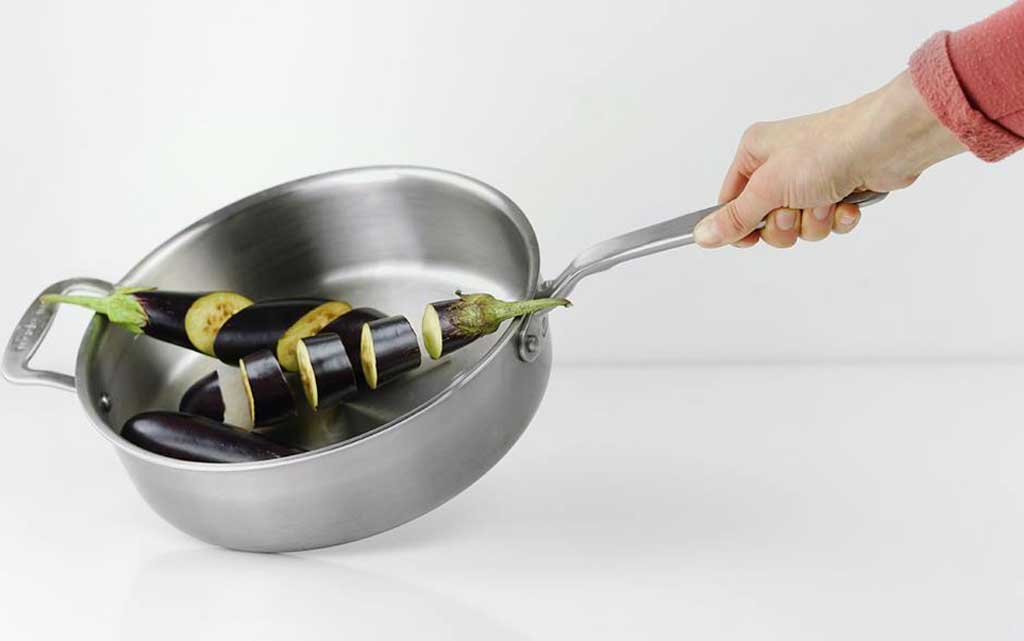
A casserole is a deep dish used for cooking and serving food. It is usually made of materials such as ceramic, glass, cast iron, or stainless steel. Casseroles are an essential piece of cookware for anyone who loves cooking and hosting dinner parties.
With so many different types of casseroles available on the market, it can be challenging to choose the right one for your needs. In this buying guide, we will discuss the factors you should consider when purchasing a casserole.
Purchasing Criteria
Here are some factors to consider when purchasing a casserole:
- Durability – Look for a casserole that is durable and built to last. Consider the material and the construction of the casserole.
- Size and Shape – Consider the size and shape of the casserole, based on the type of dish you plan to prepare.
- Functionality – Look for a casserole that has the features you need, such as a non-stick coating or oven-safe construction.
- Brand Reputation – Look for reputable brands with positive customer reviews and warranties.
- Price – Consider your budget and look for a casserole that offers good value for money.
Material
The material of a casserole plays a crucial role in determining its performance and durability. Here are some common materials used to make casseroles and their characteristics:
- Ceramic – Ceramic casseroles are aesthetically pleasing and come in a variety of colors and designs. They are non-reactive, meaning they won’t leach any harmful chemicals into your food. However, they can be fragile and prone to chipping or cracking.
- Glass – Glass casseroles are transparent, making them great for monitoring the cooking process. They are also non-reactive and easy to clean. However, they can be brittle and prone to breaking under extreme temperatures.
- Cast Iron – Cast iron casseroles are incredibly durable and retain heat well, making them ideal for slow-cooking recipes. They are also oven-safe and can be used on all stovetops, including induction. However, they can be heavy and require regular seasoning to prevent rusting.
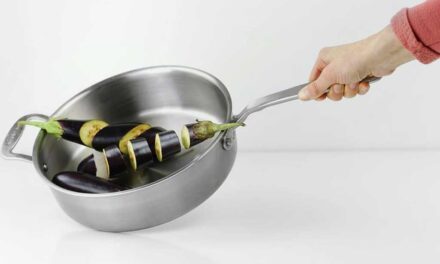
- Stainless Steel – Stainless steel casseroles are lightweight and durable, making them ideal for everyday use. They are also non-reactive and easy to clean. However, they don’t retain heat as well as other materials and can be prone to hotspots.
Size and Shape
The size and shape of a casserole will depend on the type of dish you plan to prepare. Here are some common sizes and shapes of casseroles and the dishes they are best suited for:
- Dutch Oven – Dutch ovens are versatile and can be used for a variety of recipes, such as stews, soups, and braises. They typically range in size from 3 to 7 quarts.
- Covered Casserole – Covered casseroles are ideal for slow-cooking recipes that require a lid to keep the moisture in. They typically range in size from 1.5 to 6 quarts.
- Lasagna Pan – Lasagna pans are rectangular in shape and perfect for making layered pasta dishes. They typically measure around 13 x 9 inches.
- Baking Dish – Baking dishes are round or oval in shape and are great for making cakes, pies, and other baked goods. They typically measure around 9 inches in diameter.
- Roasting Pan – Roasting pans are ideal for roasting meats and vegetables in the oven. They typically measure around 16 x 13 inches.
Functionality
The functionality of a casserole will depend on your cooking needs. Here are some features to consider:
- Non-stick coating – A non-stick coating can make cleanup easier and prevent food from sticking to the casserole.
- Oven-safe – Look for casseroles that are oven-safe, allowing you to transfer them directly from the stovetop to the oven.
- Dishwasher-safe – A dishwasher-safe casserole can save you time and effort when it comes to cleanup.
- Lid – A tight-fitting lid can help retain moisture and heat, resulting in a more flavorful dish.
- Handles – Sturdy, comfortable handles make it easy to move the casserole in and out of the oven.
- Versatility – Some casseroles can be used for both cooking and serving, making them a versatile option for your kitchen.
Price
The price of a casserole will depend on the material, size, and brand. Here are some price ranges for different types of casseroles:
- Ceramic – Ceramic casseroles can range from $20 to $200, depending on the brand and size.
- Glass – Glass casseroles are more affordable, with prices ranging from $10 to $50.
- Cast Iron – Cast iron casseroles can range from $50 to $300, depending on the brand and size.
- Stainless Steel – Stainless steel casseroles are usually the most affordable option, with prices ranging from $15 to $100.
Pros and Cons
Here are some pros and cons of different types of casseroles:
Ceramic
Pros:
- Non-reactive and won’t leach harmful chemicals into your food
- Aesthetically pleasing and come in a variety of colors and designs
Cons:
- Fragile and prone to chipping or cracking
- Can be more expensive than other materials
Glass
Pros:
- Transparent and great for monitoring the cooking process
- Non-reactive and easy to clean
Cons:
- Brittle and prone to breaking under extreme temperatures
- May not retain heat as well as other materials
Cast Iron
Pros:
- Incredibly durable and long-lasting
- Retains heat well and ideal for slow-cooking recipes
Cons:
- Heavy and can be difficult to maneuver
- Require regular seasoning to prevent rusting
Stainless Steel
Pros:
- Lightweight and durable
- Non-reactive and easy to clean
Cons:
- May not retain heat as well as other materials
- Can be prone to hotspots
Conclusion
In conclusion, purchasing a casserole requires careful consideration of factors such as material, size and shape, functionality, price, and brand reputation.
By taking the time to consider these factors, you can choose a casserole that is durable, functional, and suited to your cooking needs.
Remember to consider the pros and cons of each material before making your final decision. A well-chosen casserole can be a versatile addition to your kitchen, providing years of delicious meals and memories.