









Buying Guide: How To Choose The Right Rice Cooker?

Rice cookers are an essential kitchen appliance for many households. They provide convenience, ease of use, and the ability to cook perfect rice every time. Whether you are a busy professional, a student, or a home cook, a rice cooker can simplify your meal preparation, allowing you to focus on other aspects of cooking or enjoy your time with family and friends. With the variety of options available in the market, it can be challenging to choose the right one. This guide aims to help you make an informed purchasing decision by outlining the features, functionalities, product types, selection criteria, pros, and cons of rice cookers.
Types of Rice Cookers
When it comes to rice cookers, they generally fall into a few key categories, each designed to meet different cooking needs and preferences. Understanding these types can help you choose the right one for your kitchen.
Standard Rice Cookers
Standard rice cookers are the most common type of rice cookers available in the market. These models typically come with a basic set of features and functionalities, such as measuring cups, rice paddles, and automatic shut-off. They are straightforward to use, making them ideal for first-time users or those who only cook rice occasionally.
– Affordability: Standard rice cookers are generally more budget-friendly than other types, which makes them accessible to a wider audience.
– Ease of Use: Most standard rice cookers have a simple one-button operation, allowing you to cook rice without needing advanced cooking skills.
– Capacity: They usually come in various sizes, accommodating anywhere from 1 to 10 cups of uncooked rice.
Standard rice cookers are suitable for those who do not require many additional features and primarily want to prepare rice efficiently.
Multi-Cookers
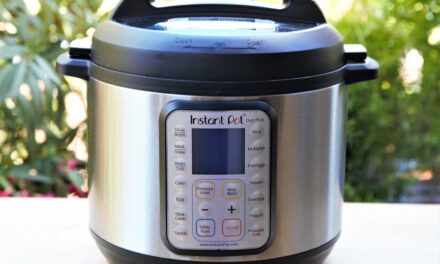
Multi-cookers are the perfect solution for those looking for versatility in their kitchen. These rice cookers offer multiple cooking functions, including the ability to sauté, steam, and slow cook, in addition to cooking rice.
– Versatility: Multi-cookers can replace several kitchen gadgets, such as slow cookers, steamers, and even pressure cookers, which can significantly declutter your kitchen.
– Cooking Options: With a multi-cooker, you can prepare a range of dishes beyond rice, including soups, stews, and even desserts.
– User-Friendly: Many multi-cookers come with programmable settings, making it easier to customize your cooking experience.
Multi-cookers are ideal for those who want to cook more than just rice and are looking for a single appliance that can handle various cooking tasks without cluttering their kitchen.
Pressure Rice Cookers
Pressure rice cookers utilize pressure cooking technology to cook rice quickly, saving both time and energy. They are especially beneficial for busy households or those who frequently prepare large quantities of rice.
– Speed: Pressure rice cookers can drastically reduce cooking time, allowing you to enjoy perfectly cooked rice within a fraction of the time it takes with standard models.
– Versatile Cooking: These cookers are not limited to rice; they can also be used for other grains, like quinoa and barley, as well as beans and tough cuts of meat.
– Nutrient Retention: The sealed environment of pressure cooking helps retain nutrients in the food, making it a healthier option.
If you often find yourself in a rush or need to cook for a large family, a pressure rice cooker may be the best choice for your kitchen.
Features and Functionalities
When selecting a rice cooker, it is essential to consider the different features and functionalities that can enhance your cooking experience. Here are several key features to look for:
- Capacity: The size of the rice cooker determines the amount of rice it can cook at once. Rice cookers come in different capacities, ranging from small (1-2 cups) to large (10-12 cups). Consider your household’s size and consumption needs before deciding on a capacity. It’s important to note that rice cookers can only cook up to their maximum capacity. Overfilling can lead to undercooked or unevenly cooked rice.
- Material: Rice cookers are available in various materials such as stainless steel, aluminum, and non-stick coating. Stainless steel and aluminum models are durable and easy to clean, but they may be more expensive than non-stick options. Non-stick coatings are user-friendly and easy to clean but may not be as long-lasting as other materials.
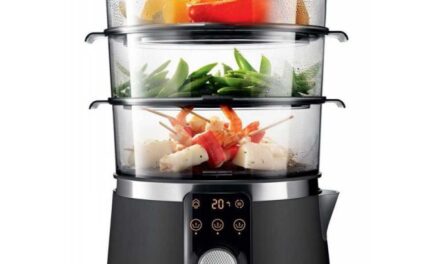
- Cooking Modes: Some rice cookers come equipped with different cooking modes such as white rice, brown rice, sushi rice, and porridge. If you enjoy cooking a variety of rice types, look for a model that offers a wide range of cooking modes. Additionally, some rice cookers include a steam basket or tray, allowing you to steam vegetables, seafood, or poultry while cooking rice.
- Delay Timer: A delay timer allows you to set the rice cooker to start cooking at a specific time, which is incredibly useful if you want rice ready for a particular mealtime. The delay timer can vary from 1 to 24 hours, depending on the model.
- Keep Warm Function: The keep warm function is designed to maintain the rice at an ideal serving temperature for an extended period. Look for a rice cooker with a reliable keep warm function that activates automatically once the rice is cooked. This feature can range from 4 to 12 hours, depending on the model.
- Fuzzy Logic Technology: Some advanced rice cookers come with fuzzy logic technology, which allows the appliance to adjust cooking parameters based on the type of rice and its moisture content. This results in more precise cooking and better texture.
Selection Criteria
Choosing the right rice cooker involves evaluating several factors that can influence your decision. Here are some important selection criteria to consider:
- Budget: Rice cookers are available in a wide range of prices, from budget-friendly to high-end models. Determine your budget before selecting a rice cooker. Keep in mind that the more features a rice cooker has, the more expensive it will be. However, investing in a quality rice cooker can save you time and effort in the long run.
- Size: Consider the dimensions of the rice cooker and whether it fits on your kitchen counter or within your storage space. If you have limited counter space, consider a compact rice cooker or a multi-cooker that can replace several other kitchen appliances.
- Brand and Reviews: The reputation of the brand and customer reviews can provide valuable insight before making a purchase. Look for brands known for producing quality rice cookers that are reliable and durable. Customer reviews can help you gauge a rice cooker’s performance, functionality, and ease of use.
- Warranty: A good warranty can add peace of mind to your purchase. Look for brands that offer a reasonable warranty period to protect your investment.
Pros and Cons
Every kitchen appliance has its advantages and drawbacks. Understanding the pros and cons of rice cookers can help you make an informed decision.
Pros
- Convenience: Rice cookers are incredibly easy to use, requiring minimal effort. Simply add rice and water, press a button, and let the cooker do the work. They can cook perfect rice every time without supervision.
- Versatility: Multi-cookers offer a wide range of cooking functions, allowing you to prepare various dishes and replace multiple kitchen appliances. This is particularly useful for those with limited kitchen space.
- Time-Saving: Pressure rice cookers cook rice quickly, saving time and energy. You can have a meal ready in minutes, making them ideal for busy lifestyles.
- Consistency: Rice cookers cook rice evenly and consistently, eliminating the guesswork that often comes with stovetop cooking. You can trust that your rice will be fluffy and well-cooked every time.
- Nutritious: Rice cookers retain the nutrients in rice, ensuring that you enjoy healthy meals. Many models also allow you to cook with less water, further preserving nutrients.
- Safety Features: Many rice cookers come equipped with safety features such as automatic shut-off and cool-touch handles, making them safe to use, even in households with children.
Cons
- Cost: High-end rice cookers can be expensive, and you may find features that you do not require. It’s essential to evaluate your cooking needs before investing in a costly model.
- Space: Rice cookers can take up valuable counter space, especially in small kitchens. Be sure to consider the size of the appliance and your available storage options.
- Single Use: Standard rice cookers are typically designed solely for cooking rice, limiting their versatility compared to multi-cookers.
- Learning Curve: Some advanced rice cookers, particularly those with fuzzy logic technology, may have a learning curve as users familiarize themselves with the settings and functions.
Conclusion
Rice cookers are an essential kitchen appliance that provides convenience, consistency, and versatility. They can transform the way you prepare meals, making it easier to enjoy perfectly cooked rice and various dishes with minimal effort. When selecting a rice cooker, consider the size, capacity, features, functionalities, and price to ensure that it meets your specific needs.
Whether you opt for a standard rice cooker, a multi-cooker, or a pressure rice cooker, investing in a quality rice cooker can make meal preparation a breeze. With the right model in your kitchen, you can enjoy delicious and nutritious meals every day, enhancing your cooking experience and bringing joy to your dining table. Explore the options available on the market, read reviews, and make a choice that suits your lifestyle – your taste buds will thank you!