











Buying Guide: How To Choose The Right Toaster?
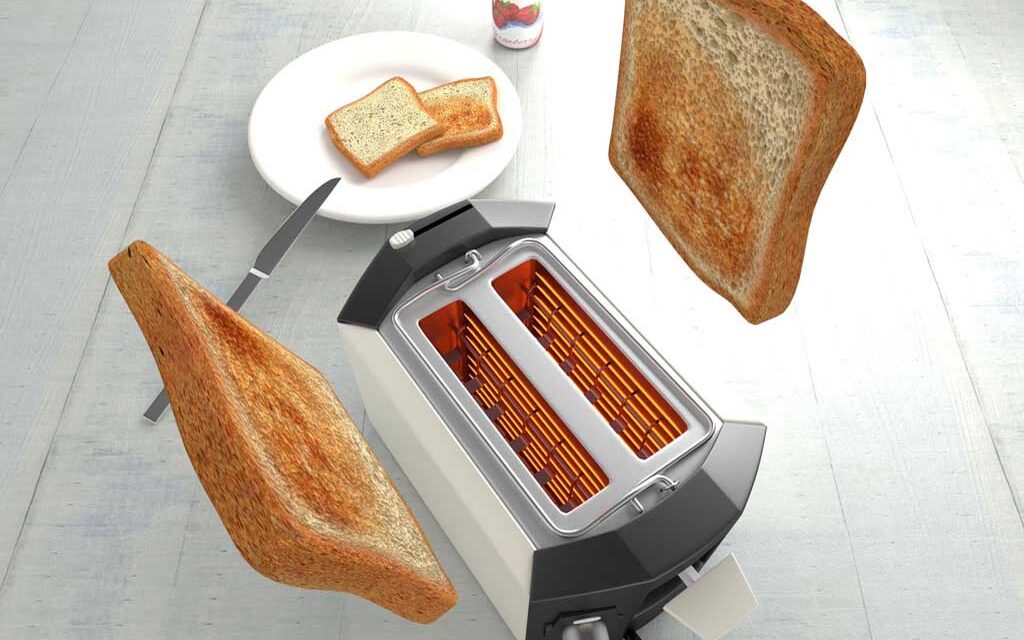
A toaster is an essential kitchen appliance that is used to toast bread, bagels, and English muffins. It is a convenient and quick way to prepare breakfast, and there are various models available on the market.
However, with so many options to choose from, it can be challenging to decide which toaster is right for you. In this buying guide, we’ll explore the key factors to consider when shopping for a toaster.
1. Functions and Features
The functions and features of a toaster are crucial in determining its performance and convenience. Most toasters come with multiple settings and features that can customize your toasting experience.
Some of the common features include:
- Toast shade settings: This feature allows you to adjust the toasting time to produce light, medium, or dark toast according to your preference.
- Bagel setting: This feature toasts only the cut side of your bagel, leaving the other side warm and soft.
- Defrost setting: This feature thaws frozen bread before toasting it.
- Reheat setting: This feature allows you to warm up already-toasted bread without burning it.
Other features you may want to consider include a countdown timer, a cancel button, and a crumb tray for easy cleaning. It is important to choose a toaster with features that align with your needs and preferences.
2. Size and Capacity
The size and capacity of a toaster are significant factors to consider when purchasing a toaster. The size of the toaster will determine how much counter space it will take up, and the capacity will determine how many slices of bread it can toast at once.
If you have a small kitchen or limited counter space, you may want to choose a compact toaster that can fit in a tight space. On the other hand, if you have a large family or frequently entertain guests, you may want a toaster with a larger capacity that can toast more bread at once.
It is essential to consider your kitchen space and toasting needs when selecting the size and capacity of your toaster.
3. Types of Toasters
Toasters come in different types, each with its unique features and functionalities. When choosing a toaster, it is important to consider your cooking needs and preferences. The two main types of toasters are pop-up toasters and toaster ovens.
Pop-up toasters
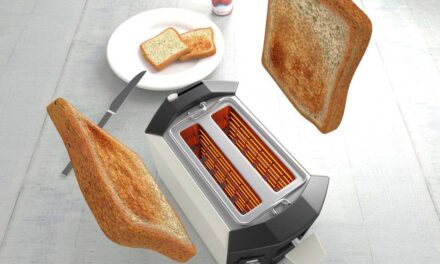
Pop-up toasters are the most common type and are perfect for toasting bread, bagels, and English muffins. They are compact and convenient to use, making them a great addition to any kitchen.
Pop-up toasters have slots on top where you place the bread or bagel, and they automatically pop up when the toasting is complete. They come in different sizes, and some models have wider slots that can accommodate thicker slices of bread or bagels.
Pop-up toasters have several advantages:
- They are simple and easy to use, with intuitive controls.
- They are compact and take up less counter space than toaster ovens.
- They are affordable, making them a great option for those on a budget.
However, they also have some drawbacks:
- They have limited functionalities and can only be used for toasting.
- They may not have enough capacity to handle larger slices of bread or bagels.
- They may not be suitable for cooking other types of food, like chicken or vegetables.
Toaster ovens
Toaster ovens are larger and more versatile than pop-up toasters. They can do more than just toast and can bake, broil, and even roast small items like chicken breasts or vegetables.
Toaster ovens have a larger capacity than pop-up toasters and can handle a variety of cooking tasks. They have a door that opens to reveal a rack where you can place the food. Toaster ovens come in different sizes and have varying wattage levels, which determine how fast and evenly they cook food.
Toaster ovens have several advantages:
- They are versatile and can handle a variety of cooking tasks.
- They have a larger capacity than pop-up toasters, making them suitable for larger slices of bread or bagels.
- They can cook a variety of foods, like chicken, vegetables, and even pizzas.
However, they also have some drawbacks:
- They are larger and take up more counter space than pop-up toasters.
- They are more expensive than pop-up toasters.
- They may have more complex controls, making them less intuitive and harder to use.
When choosing between a pop-up toaster and a toaster oven, it is important to consider your cooking needs and preferences.
Pop-up toasters are great for those who want a simple, affordable, and compact appliance for toasting bread or bagels. Toaster ovens are ideal for those who want a more versatile appliance that can handle a variety of cooking tasks.
4. Power and Wattage
The power and wattage of a toaster determine how quickly it can toast your bread. Generally, the higher the wattage, the faster the toaster will work. However, higher wattage toasters can also be more expensive.
Therefore, you need to balance speed with cost. A toaster with 750-1000 watts is adequate for most toasting needs.
It is essential to consider your toasting needs and budget when selecting the power and wattage of your toaster.
5. Brand and Price
The brand and price of a toaster can affect its quality, durability, and features. Popular brands like Cuisinart, KitchenAid, and Breville are known for their quality and performance. They offer more features and better quality than cheaper brands. However, they can be more expensive.
You don’t necessarily need to spend a lot of money to get a good toaster. There are plenty of affordable options available that still offer excellent performance and features.
6. Material and Durability
The material and durability of a toaster are important factors to consider when making a purchase. Most toasters are made of plastic or stainless steel.
Stainless steel toasters are more durable and long-lasting than plastic toasters, but they can be more expensive.
Plastic toasters are lighter and less expensive, but they may not last as long.
Additionally, you may want to consider the quality of the toaster’s heating elements. High-quality heating elements can ensure even toasting and reduce the risk of hot spots or burnt toast.
7. Safety Features
Safety features are essential when it comes to kitchen appliances. A toaster with safety features can reduce the risk of accidents and ensure that you and your family are safe.
Some of the common safety features to look for include automatic shut-off, cool-touch exteriors, and cord storage. Additionally, if you have children in your home, you may want to consider a toaster with a locking mechanism to prevent accidental burns or injuries.
8. Ease of Use and Cleaning
The ease of use and cleaning of a toaster can significantly impact your toasting experience. A toaster with intuitive controls and easy-to-read displays can make it easier to select the desired settings and produce perfectly toasted bread.
Additionally, a toaster with removable crumb trays and easy-to-clean surfaces can make it easier to clean and maintain your appliance.
Conclusion
When selecting a toaster, it is essential to consider your needs and preferences. Factors like functions and features, size and capacity, type, power and wattage, brand and price, material and durability, safety features, and ease of use and cleaning can significantly impact your toasting experience. By taking the time to evaluate these factors, you can choose a toaster that aligns with your needs and preferences and ensures that you enjoy perfectly toasted bread every time.