











The Ultimate Buying Guide For Kitchen Ladles
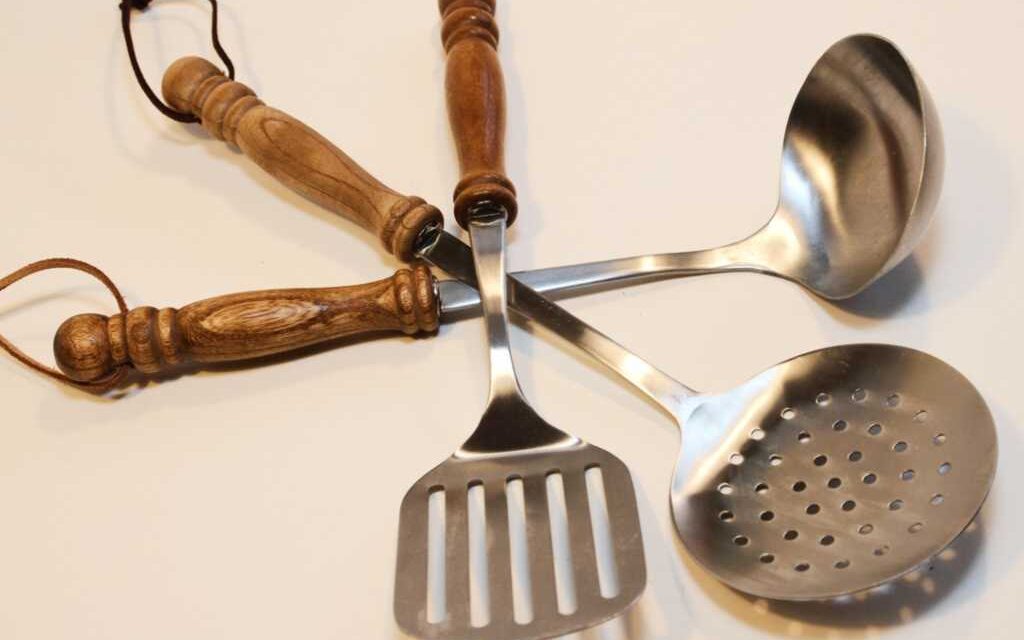
# The Ultimate Guide to Kitchen Ladles
A kitchen ladle is not just a simple utensil; it is a versatile tool that plays a crucial role in the preparation and serving of a wide variety of dishes. From soups and stews to sauces and gravies, the ladle is an essential component of any kitchen toolkit. In this extensive guide, we will delve into the myriad functions, features, and criteria for purchasing a kitchen ladle. By the end of this guide, you will be well-equipped to make an informed decision that enhances your cooking experience.
## Functions of a Kitchen Ladle
The primary function of a kitchen ladle is to serve liquids. This includes a variety of dishes such as:
– Soups: Perfect for scooping out hearty broths filled with vegetables and proteins.
– Stews: Ideal for dishing out thick, rich mixtures that require a deeper scoop.
– Gravies: Great for pouring over meats and sides without making a mess.
– Sauces: Useful for serving everything from pasta sauces to dessert sauces.
### Additional Uses
Beyond serving, a kitchen ladle can also be employed for various other tasks in the kitchen:
– Stirring: The long handle and deep bowl make it ideal for stirring large pots of soup or stew.
– Mixing: A ladle can be used to mix ingredients in a bowl, particularly when dealing with larger quantities.
– Tasting: The bowl of the ladle can also be used for tasting your dishes to ensure they are seasoned correctly.
## Functionalities of Kitchen Ladles
Different kitchen ladles come equipped with unique functionalities designed to enhance their usability:
– Spouts: Some ladles feature a spout that allows for easier pouring without spills. This is particularly useful for sauces or gravies that require precision.
– Flat Bottoms: Certain ladles have a flat bottom that allows them to rest on the counter without tipping over, preventing messes.
– Built-in Strainers: Some ladles come equipped with a strainer in the bowl, which is useful for serving items like pasta or vegetables without the liquid.
## Features to Consider
When selecting a kitchen ladle, keep in mind the following features for an optimal choice:
### 1. Material
The material of a ladle affects its durability, usability, and compatibility with your cookware. Here are the most common materials:
– Stainless Steel: These ladles are highly durable, resistant to rust, and easy to clean. They are suitable for all types of cookware and can withstand high temperatures.
– Silicone: Silicone ladles are heat-resistant and non-stick, making them ideal for use with non-stick cookware. They are flexible, which can be advantageous for scraping the sides of pots.
– Plastic: Lightweight and affordable, plastic ladles are suitable for casual cooking. However, they may not withstand high temperatures and are generally less durable.
– Wood: Wooden ladles are eco-friendly and do not scratch cookware. However, they may absorb flavors and odors over time and require more care during cleaning.
### 2. Size
Kitchen ladles come in a range of sizes, typically categorized into small, medium, and large.
– Small Ladles: Ideal for serving individual portions, particularly for sauces or dressings.
– Medium Ladles: These are versatile and can be used for a variety of dishes, making them a great all-purpose option.
– Large Ladles: Best for serving larger quantities, such as during family gatherings or parties.
### 3. Shape
The shape of the ladle can affect its functionality. Most ladles are round, but you can also find oval or rectangular options designed for specific pots or bowls.
### 4. Handle
A comfortable handle is essential for effective use. Consider the following aspects:
– Length: The handle should be long enough to keep your hand safely away from hot liquids.
– Grip: Look for a handle that is comfortable to hold, possibly with a non-slip grip for added safety.
## Purchasing Criteria
When purchasing a kitchen ladle, consider the following criteria to ensure you select the right one:
### 1. Purpose
Identify the primary use of the ladle. Are you mainly serving soups, stews, or sauces? Do you need additional functionalities like a spout or strainer?
### 2. Material
Choose a material that aligns with your cooking style and the type of cookware you own. For example, if you primarily use non-stick pans, silicone or wooden ladles may be the best choice.
### 3. Size
Determine the size you need based on how many people you typically serve and the types of dishes you prepare.
### 4. Shape
Select a shape that complements your pots and serving bowls. This will make serving easier and more efficient.
### 5. Handle
Ensure that the handle is comfortable and easy to grip, facilitating ease of use while serving hot liquids.
## Product Types and Categories
Kitchen ladles can be broadly classified into the following categories:
### 1. Stainless Steel Ladles
These are highly durable and versatile. They are perfect for everyday use and can handle high temperatures without warping or melting. They are also dishwasher-safe, making cleanup a breeze.
### 2. Silicone Ladles
Ideal for those who use non-stick cookware, silicone ladles are heat-resistant and won’t scratch the surface of your pots and pans. They are also flexible, making it easier to scoop out every last drop of sauce or soup.
### 3. Plastic Ladles
These are lightweight and affordable, making them a good choice for casual cooks or for use in outdoor settings. However, they may not hold up well under high heat.
### 4. Wooden Ladles
Wooden ladles are a traditional choice, known for their eco-friendliness and gentle touch on cookware. They do require more maintenance, such as hand washing and occasional oiling to prevent drying out.
## Pros and Cons of Kitchen Ladles
### Pros
– Versatile Tool: Kitchen ladles can be used for various tasks, including serving, stirring, and mixing.
– Wide Variety: A range of shapes, sizes, and materials to suit different cooking needs and preferences.
– Custom Functionalities: Options like spouts and strainers make ladles even more functional.
– Safety: Designed to prevent burns while serving hot liquids.
– Usability: Suitable for both home cooking and professional kitchens.
### Cons
– Material Limitations: Some materials may scratch delicate cookware or may not withstand high temperatures.
– Durability Concerns: Plastic ladles may not last as long as their metal or wooden counterparts.
– Heat Sensitivity: Wooden ladles may not be suitable for serving very hot liquids, as they can warp over time.
## Using a Kitchen Ladle Effectively
Once you have selected the perfect kitchen ladle, knowing how to use it effectively will enhance your cooking experience. Here are some tips:
### 1. Position the Ladle at an Angle
When scooping liquid, angle the ladle to get a good scoop without spilling. This technique will help minimize mess and ensure a clean pour.
### 2. Keep the Ladle Close to the Pot
To prevent spills while serving, maintain a close distance between the ladle and the pot. This not only reduces mess but also allows you to serve with more control.
### 3. Portion Control
Utilize the ladle for portion control, ensuring that each serving is equal. This is especially important during gatherings to ensure everyone gets a fair share.
### 4. Use a Ladle Rest
When not in use, place the ladle on a designated ladle rest. This prevents it from touching the countertop or stove, maintaining cleanliness in your kitchen.
## Conclusion
Choosing the right kitchen ladle can significantly enhance both your cooking and serving experiences. By considering the material, size, shape, handle, and purpose, you can find a ladle that best suits your needs. With various types available—including stainless steel, silicone, plastic, and wooden ladles—you have the flexibility to choose a product that aligns perfectly with your culinary style.
Always weigh the pros and cons of each type of ladle before making your decision. With the insights provided in this comprehensive buying guide, you will be able to select the perfect kitchen ladle that not only meets your functional needs but also complements your kitchen aesthetics. Happy cooking!