









Get the best casserole dish for your kitchen!
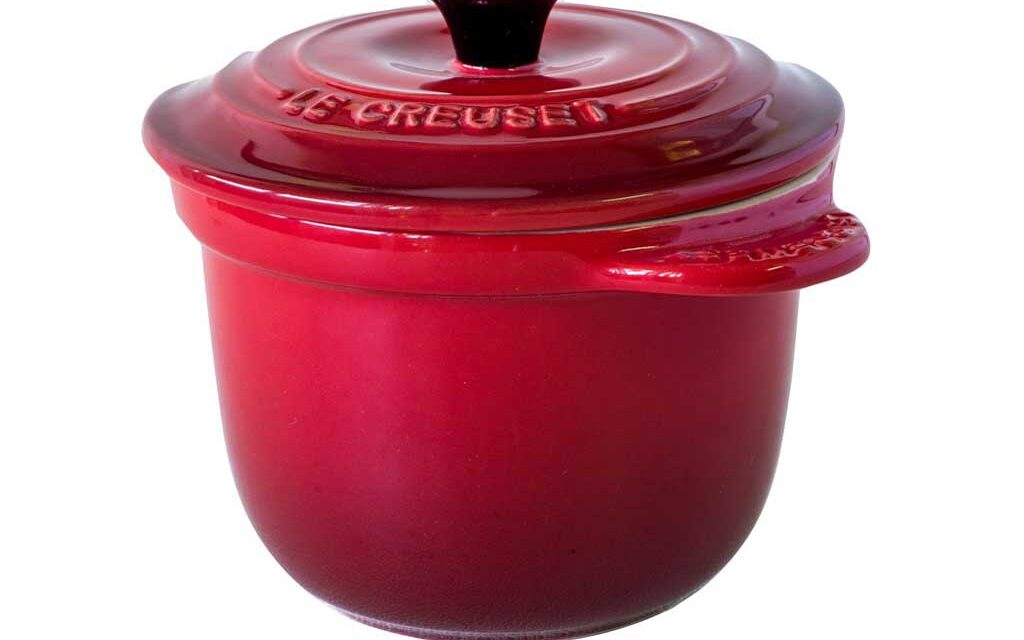
Casserole (Dutch Oven)
What is a Dutch Oven Made Of?
Today, a Dutch oven is a deep kitchen utensil made of oven-safe glass or ceramic. They can be large or small, simple or decorative, made of cast iron, aluminum, or enameled steel. The Dutch oven is designed for cooking food.
There are also ceramic and glass Dutch ovens, which are intended for oven cooking. You can use a Dutch oven on a stovetop. However, it is also possible to use it over embers.
Here Are Some Dutch Ovens You Need for Your Various Recipes
No kitchen is complete without a proper Dutch oven. Not only are they the secret to preparing perfect lasagna, tender roasts, or sweet cobblers, but they can also seamlessly transition from oven to table for an attractive presentation.
When it comes to choosing the best Dutch oven, it often depends on your specific needs. For example, if you need a dish that can go straight from the oven to the freezer for food storage.
A ceramic Dutch oven will prevent thermal shock. Alternatively, if you want a versatile cooking pot that works well on both the stovetop and in the oven, a cast iron pot with a lid should be at the top of your list.
Budget is also a factor to consider when choosing the best Dutch oven for you. While you can splurge on high-quality brands, whatever recipes you plan to create, Dutch ovens come in various qualities on the market. Here are some Dutch ovens for you.
- The Classic Enameled Cast Iron Dutch Oven
It’s no secret that a cast iron Dutch oven is a staple in cookware and other essential kitchen items. This Dutch oven lives up to its reputation.
The roasting dish comes in a vibrant red color and is made of porcelain-enameled material with a cast iron construction to retain heat and withstand high temperatures.
It is durable, dishwasher-safe, and stylish enough to be placed on the table for serving a side or main dish.
- The Flat Glass Dutch Oven
The flat glass Dutch oven is dishwasher, refrigerator, microwave, oven, and freezer-safe, making it ideal for cooking, serving, and storing food. It also features an airtight lid to help leftovers stay fresh.
- The Pressure Cooker Dutch Oven
By using a temperature higher than the boiling point of water, the pressure cooker Dutch oven allows food to cook faster. It is equipped with a built-in timer system.
This feature eliminates the need for constant supervision, as the integrated timer system automatically stops cooking once the food is ready.
Its “keep warm” mode allows dishes to stay warm until they are served. You can use it for long hours of cooking without overcooking food or burning meat.
- The Mini Dutch Oven
Small in size, as its name suggests, this one is ideal for couples as it takes up minimal space.
- The Oval Dutch Oven
This is an ideal kitchen accessory for preparing delicious meat fillets or roasts.
- The Cylindrical Dutch Oven
Specifically designed for cooking rice and vegetables, the cylindrical Dutch oven has a diameter of about 25 cm.
What to Consider When Buying a Dutch Oven?
When used correctly, a Dutch oven can transform any ordinary recipe into a flavorful and delicious meal. A Dutch oven is one of the most important cookware items in the kitchen.
Dutch ovens are suitable for an open flame or a bed of hot coals. A cast iron Dutch oven is nearly foolproof. When we talk about Dutch ovens, we mean a deep, heavy cast iron pot with an equally heavy and well-fitted lid.
Sometimes, they are coated with enamel to make the surface non-reactive to acidic foods. A Dutch oven is exactly what you need for slow braises and stews. The cast iron ensures excellent heat retention.
This creates the uniform and consistent temperature needed inside the pot to make tough meat and vegetables completely tender. These pots are also perfect for simmering beans, incubating a batch of yogurt, or even preparing a quick pasta sauce for dinner.
We’ve baked some of the best bread we’ve ever had in our Dutch oven using the no-knead bread method. We could go on and on.
But suffice it to say, our Dutch oven is one of the most used tools in our kitchen. Dutch ovens can be expensive, but the cost is usually a good indicator of quality. Buy the best you can afford, and it will last for years.
Here’s what to look for.
- Cast Iron
Properly seasoned and maintained, a solid cast iron Dutch oven only gets better with age. Some versions come unseasoned, while others are pre-treated at the factory. But either way, they are nearly indestructible.
A light rinse with slightly soapy water and a wipe with vegetable oil are enough to ensure a lifetime of service from a cast iron Dutch oven.
If you plan on doing a lot of open-fire cooking, consider a cast iron model with legs, as it makes it easier to shovel coals underneath for even cooking.
- Enameled Coating
Dutch ovens function like a regular oven by establishing internal convection currents. Enameled cast iron is particularly effective at retaining and distributing heat.
Its elegant look will appeal even to the most refined home chefs. And the knobs on enameled cookware are usually made of better insulating material than one-piece cast iron handles, which can burn an unwary cook.
- Aluminum
Modern non-stick Dutch ovens are made of anodized aluminum with non-stick coatings that make cleaning easier. Wash and rinse by hand or simply put them in the dishwasher. Aluminum Dutch ovens are lighter than cast iron and also offer the option of transparent lids with heat-resistant handles.
Choosing the Right Casserole Dish for Your Meal
Casserole dishes are essential for everyday meals and holiday baking. However, choosing the wrong size can make the difference between a delicious meal or a very dry casserole!
The size of casserole dishes matters and will help you prepare the perfect amount of food throughout the year. No family kitchen can truly be complete without an excellent selection of casserole dishes. These are versatile cookware items that can be used for both cooking and serving. But to get the best results from your recipes, you need to know the best casserole dish to cook with.
How Important Is the Size of a Casserole Dish?
Whether you’re looking for a beautiful cast iron casserole dish or simply thinking about adding a new pan to your kitchen, you can’t go wrong with a good casserole dish.
A quality pan will allow you to slowly cook stews, braise meat evenly, and keep your lovingly prepared meal as flavorful as possible. And an enamel-coated casserole dish looks great in any kitchen. It is durable, long-lasting, and most importantly, non-stick.
Simply choose your recipe, prepare the ingredients, throw them into the dish, and let it cook very slowly while you continue with other aspects of your life.
But for dinner to be perfect, to preserve maximum flavor, and to give your cooking that extra dimension, you need to have the right size. Different recipes require different-sized dishes.
If you’re cooking for more guests, you’ll need a larger casserole dish. If you’re only cooking for a small family, a smaller dish will do the trick. But when it comes to cooking, size also matters.
If you’re slow-cooking meats, you need more space for the heat to circulate. But if you’re making a thick, creamy sauce, a smaller dish will cause less evaporation.
Is There a Standard Size for a Casserole Dish?
While every home cook dreams of having a collection of dishes for every possible recipe and occasion, this is never a practical approach. You’ll need to settle for something in the middle, with a casserole dish that can have your back and help you prepare a great meal when you need it most!
Standard casserole dish sizes are usually 12 inches in diameter, with a capacity of holding 3.7 liters of delicious food. This is the perfect size for a medium-sized family of 4 or 5 people, allowing you to cook a delightful family meal in the oven.
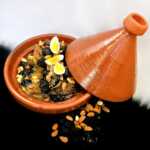
Investing in a casserole dish with a lid of this size will help you explore a wonderful range of creative recipes. There will be fantastic casserole ideas that fit well in your dish, from a rich beef stew to an exotic Moroccan tagine.
In addition to helping you produce the best casseroles all the time, a standard-sized dish like this is incredibly versatile. They’re not just limited to oven use—they can be safely used on the stovetop or a burner.
They are just the right size to be lifted using the sturdy handles, which will help you support the weight while keeping the heat away from your hands. If you’re cooking multiple dishes at once and run out of baking dishes, they even work well as a backup.
Knowing the best casserole dish to choose when you’re looking to cook the perfect meal will help you serve delicious dishes for your family and friends!
How to Clean a Casserole Dish?
What You’ll Need:
- Spatula (preferably a plastic one)
- Baking soda
- Dish soap
- Hot water
- Scrubbing sponge
Instructions
- Start with a spatula: Scrape off as much residue as possible with the spatula, then rinse the casserole dish.
Note: We carefully used a metal spatula here, but a plastic spatula is really preferable to avoid scratching the dish.
- Add baking soda: Sprinkle a generous amount of baking soda on the bottom of the dish.
- Add dish soap: Add a few squirts of dish soap, then fill the dish with boiling water. Let it sit on a flat surface for at least 15 minutes, or as long as overnight.
- Bring back the spatula: With the baking soda mixture still there, use your spatula again to scrape off the bits that have started to loosen. Discard the dirty water.
- Add more baking soda: Sprinkle more baking soda over the surface of the dish, focusing on particularly tough spots.
And more dish soap: Add a little dish soap to your scrubbing sponge, turn on the hot water, and scrub!
- Repeat as needed: Rinse your scrubbing brush regularly as it collects grime, and reapply soap and baking soda as necessary.
- Let it dry: Allow your casserole dish to dry completely before storing it.
Note
If you’ve prepared a dish and know for sure that you won’t be eating it all at once, remove the excess and store it in a container right away. I find that when food cools in the casserole dish, burnt-on bits become even harder to remove.