












The right lid for your pots and pans!
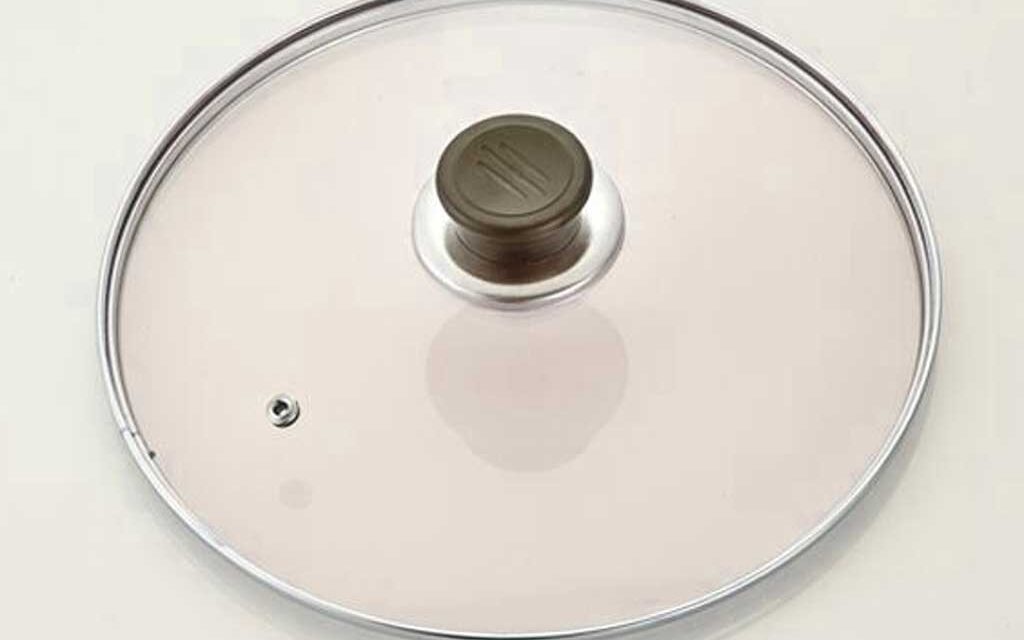
The Lid
The Lid: What is it?
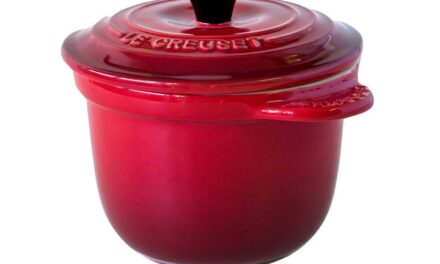
A kitchen accessory, the lid is a movable piece used to cover a box, a jar, a container, etc. As a sealing element, it prevents external splashes during cooking, maintains evaporation, and preserves the temperature in the pot, casserole, or stewpot.
The Lid: One Utensil, Multiple Uses
Every dish you prepare requires a certain degree of moisture and heat control to achieve the desired texture, cooking level, and concentrated flavor. Not to mention, it sometimes helps control the amount of food that remains in the pot compared to splatters on the stove and walls.
Not all dishes require a lid for preparation, of course. But the real advantage of having one is that it gives you more options for use when recipes require precise control of heat and moisture.
A lid allows you to lower burner heat while maintaining the desired moisture level and temperature for an ideal cooking process. For example, sauces do not reduce when a lid is tightly closed, which is important. Suppose you are simmering a flavorful pasta sauce.
These usually require a longer simmering time for the vegetables to soften and for the spices to release their essence, concentrating the dish’s flavors. You don’t want moisture reduction or burning to occur during these crucial moments of flavor development.
This is where a lid becomes your best friend for precise control. Generally, sauces are simmered with the lid tightly closed, over low heat, until the vegetables are cooked and the spice essence is infused.
Then, finish the sauce by tilting the lid to release moisture and reduce it to the desired thickness and consistency for serving. This method delivers a complex yet delicious flavor with the right texture to adhere to pasta, meats, and vegetables.
On the other hand, using a lid to concentrate heat while releasing the right amount of moisture allows you to cook food faster. For example, a lid that is slightly tilted on the pot enables more concentrated heat while allowing you to control the moisture content.
This prevents food from becoming soggy. Depending on the desired texture, such as achieving a golden sear on both sides, which is absolutely the best. Using the lid helps concentrate heat effectively.
The Different Types of Kitchen Lids
The different types of kitchen lids commonly found are:
- Round shape
- Square shape
- Oblong shape
The shape and style you choose are up to you. If you have a vintage-style kitchen with old-fashioned equipment, you might opt for a classic round kitchen lid. If your kitchen features stainless steel appliances and a black or white porcelain look, a square kitchen lid will be the best option for you.
An oblong or rectangular-shaped kitchen lid can also be a great choice, as it is very stylish and can fit into any kitchen design.
Another type of available kitchen lid is the acrylic one. These are made from a special UV-resistant acrylic material that prevents moisture from penetrating and does not show marks. This makes them aesthetically pleasing while performing their function effectively.
There is also the porcelain kitchen lid, made from highly durable porcelain material that does not crack, chip, or discolor. The last main type of kitchen lid you will find is the Teflon-coated one.
This is the most resistant type of lid you can get because the coating protects the porcelain from food contamination. These are mainly used in the messiest kitchens.
So, the next time you look for kitchen accessories, you won’t consider any other type of lid except those that will protect your kitchen and keep everything in order.
The different types of kitchen lids exist to make your life easier, not harder. The various styles and designs available cater to every type of kitchen. You can make your choices based on your preferences.
How to Choose a Kitchen Lid?
When looking for the criteria to choose a kitchen lid, it is important to consider several factors, such as:
- The size of the lid
If you plan to renovate your entire kitchen, you should also consider the space allocated for the lid. It wouldn’t be advisable to buy a large lid that leaves unused space in your kitchen.
Similarly, if your kitchen has a compact layout, the lid should be purchased according to the available space. However, if you want your kitchen to maintain its original appearance, you might consider buying a slightly larger lid than your kitchen’s original size.
- The material
The next criterion for choosing a kitchen lid is the material it is made from. Lids are available in various materials, including plastic, fabric, and many others. This is an important factor when selecting a lid.
Because if you choose a lid made of durable material, it will be useful to you for many years.
- Price
The third criterion for choosing a kitchen lid is the price. You must consider the cost factor before selecting the material for your kitchen. If you have the budget for it,
opt for the most suitable material. However, if you have a limited budget, you can choose a cheaper material that will not only protect your kitchen from dust and other common issues but will also enhance the beauty of your kitchen.
How to Properly Maintain Kitchen Lids?
Kitchen lids are an essential part of any kitchen because they not only serve as a functional means of storing food and preventing spoilage, but they also add a nice touch to the overall style and design of your kitchen.
In fact, when most people think of kitchen accessories, they don’t just think about dishes or other utensils. They also consider useful kitchen accessories such as the kitchen lid.
Many people often don’t realize how much these items can affect the overall look and design of their kitchen. And many struggle to maintain their lids in a way that matches the rest of their kitchen theme.
There are many ways to clean a kitchen lid, but one of the best is to use a silicone spray. Silicone spray is perfect for cleaning almost all types of kitchen lids, as long as you know exactly what you’re doing.
First, take out your silicone spray container and wash the lid. Make sure not to use the dishwasher, or else all the effort put into keeping your kitchen lid in good condition will be wasted. Once the lid is washed,
apply the silicone spray directly onto the lid. Do this carefully and ensure that all surfaces are covered with the spray, including any grooves or cutouts the lid may have.
Use the entire tube of silicone to coat the lid, making sure to reach all corners and cutouts. Once you’ve done this, press the lid firmly against the countertop and hold it there for a few minutes, ensuring it is at the right temperature to protect the countertop from any heat damage.
Now, let’s look at how to maintain kitchen lids in the future. Obviously, you’ll want to make sure you keep the same type of lid. So if you change brands or even just wash them, you may encounter the same issue.
However, other factors come into play when learning how to maintain kitchen lids. For example, plastic lids tend to expand when left exposed to air for too long. Therefore, you may occasionally need to rotate your plastic lids.