









Buying guide: which cooking pot should you choose?
Cooking Pot
An overview of the cooking pot
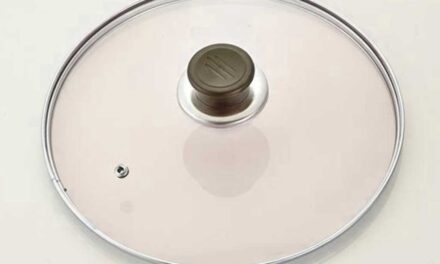
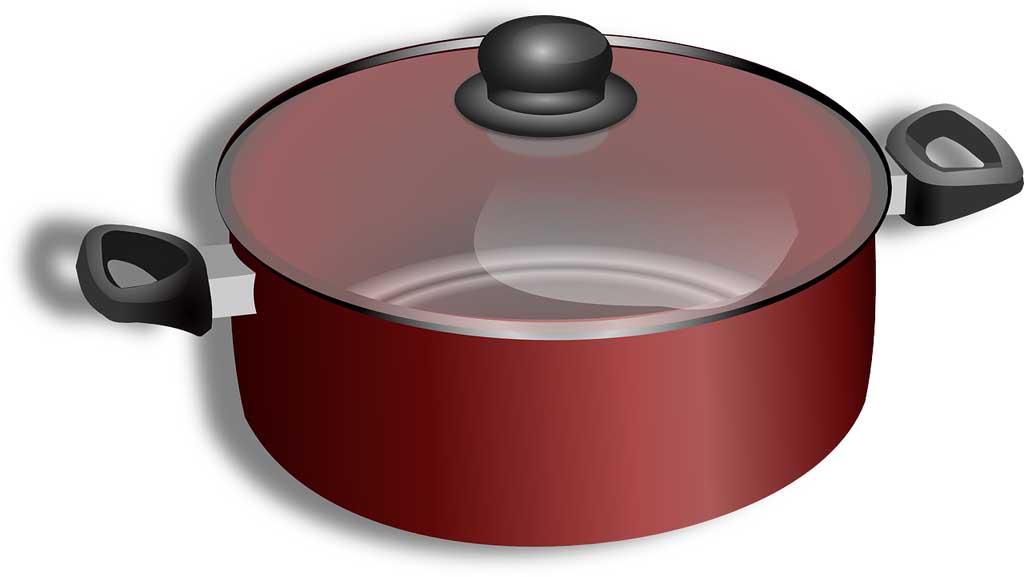
A kitchen utensil, the cooking pot is designed to ensure the preparation and preservation of food. It consists of a belly, a wide opening, and a lid.
The cooking pot also has lateral handles. The pot is a utensil that is commonly used in cooking. It can be purchased in various shapes, sizes, and colors on the market.
How to cook in a pot?
Learning to cook in a pot is an easy way to prepare healthy and tasty meals for the whole family. However, it can also be one of the most dangerous ways to prepare food or cook on a stove.
If you are a beginner in pot cooking, you will want to know some tips to get the most out of your new cooking appliance. Before you start learning how to cook in a pot, you should know which foods you plan to prepare.
This will help you decide whether you should use a saucepan or a pot to cook your food. You may also consider the time of year when you will be cooking. For example, if you plan to cook during the colder months.
You won’t want to bring your food from the oven or stove to a warm place like a living room where they may be used in a living room heat exchanger. A heating rack can prevent your food from becoming too hot while cooking.
When you are looking at which pot or saucepan to buy, you will also want to consider the size of your cooking area. If you have a smaller kitchen, a smaller-sized pot may be the best choice for your needs.
If you have a large kitchen, you may want to consider buying a large pot that will allow you to roast and cook a variety of different foods. Choosing a good-quality pot will help you prepare healthier and faster meals.
What is the difference between a pot and a Dutch oven?
There is quite a big difference between the two cooking utensils, and it all depends on the shape and weight of the Dutch oven. A pot is actually just a large saucepan with a lid. A pot can be used for foods that need to be cooked quickly or for stewing or baking.
The Dutch oven is much heavier than a saucepan, which makes it much more difficult to use for cooking food. However, this is its main advantage over a pot. If you only want to use it for a particular type of food, a Dutch oven may be a good option for you.
If you are looking to use your Dutch oven for all kinds of foods, a pot may be your best choice for preparing those dishes. Of course, both of these kitchen utensils have their advantages and disadvantages.
If you are looking for a general-purpose pot that you can use for most foods, a Dutch oven is a good choice. However, if you need to use it to cook certain types of foods, a saucepan may be your best choice.
Why buy a cooking pot?
There are a variety of reasons why you might want to have a pot among your kitchen utensils. Here are some of the most common reasons why people buy a particular type of pot. They need to prepare food quickly and easily.
This is especially important if you are someone who cooks often, as preparing your meals is an integral part of being able to cook consistently. Other reasons people buy this type of item include:
The first thing you need to keep in mind when looking at the different reasons to have a pot at home is that there are things quite specific to it.
For example, if you cook often, you may want to consider buying a thinner and smaller pot that will be easier for you to use to quickly and easily cook delicate foods. On the other hand, if you are someone who doesn’t cook very often,
you may want to buy a thicker and larger pot that will allow you to cook a wide variety of foods. One last consideration to take into account when thinking about buying a type of cooking pot is the question of safety.
For example, if you are someone who cooks regularly, you are more likely to get injured while cooking than someone who only cooks occasionally. This is because when you cook regularly,
you use much more force and energy than when you only cook from time to time. Additionally, you should also think about how you will use your pot.
For example, you may want to buy one that has a non-stick surface to reduce the risk of burning your food if you do not use it daily.
What are the different types of pots?
A question many people would like answered is: what are the different types of pots? It is a very common question and also a very important one.
The reason this question is so important is that not everyone knows exactly how to use their pot and what the different types are. With the evolution of technology, today there are several types of pots. These are:
- The mussel pot
A pot that can be made of enameled steel or stainless steel. The mussel pot is wider than it is tall. It is used for cooking mussels, as the name suggests. It consists of two side handles and also a deep lid. You can easily transport it thanks to its side handles.
- The professional pot with integrated cooking system
With a very large capacity, the professional pot with integrated cooking system can hold up to 200 liters of water. While resembling a stove, it features a natural gas or electric system.
- The heating pot
With a cooking system on top, the heating pot is part of the pressure cooker family. It is thus a pot that helps preserve the flavor of meals during cooking.
- The camping pot
Characterized by its small size, the camping pot is a multi-purpose kitchen utensil. You can use it for hot cooking or over a campfire.
- The steamer pot
Also called a steamer or steam cooker, the steamer pot is made with several tiers. Its lid allows food to be steamed.
- The double boiler pot
Composed of two parts: the inner insert and the outer container. The double boiler pot, which allows for indirect heating, is generally made of stainless steel.
It is a kitchen utensil that has a drain tap. These two parts are separated by a space filled with water. It comes in various sizes.
- The wok pot
Of Asian origin, it is a flat cast iron pot characterized by a wide opening.
- The Creole pot
Robust and thick, it is a cast iron pot with three tall legs. These legs allow placing embers underneath for cooking. You can transport it using its handle and small side grips.
- The soup or mulled wine pot
A large pot equipped with a tap, allowing serving without needing to open the lid. You can use it as a canning sterilizer. It also includes a heating plate.
- The Mongolian pot
Originally made of copper, this pot has evolved. It has a built-in burner at its base and is used for preparing Mongolian fondue, also known as Chinese fondue.
- The jam pot
This pot can help you save energy due to its ability to cook food quickly. Characterized by a flared shape, it allows good evaporation of water during cooking. Usually made of copper, it has two side handles.
- The Japanese pot
Round-shaped, with a lid and two handles. The Japanese pot is of Asian origin and made of cast iron. Nowadays, you can find it in stainless steel on the market. Its double wall allows it to retain heat for a long time.
Depending on the material, you can find on the market:
Stainless steel pots: With this material, you have a lighter pot. It is ideal for quick cooking.
Cast iron pots: These pots are more commonly used for dishes that require long cooking times. Therefore, you cannot use it for cooking a dish you want to prepare quickly. It is ideal to use wood fire, oven, or induction when you have a cast iron pot.
Copper pot: Copper, being a thermal conductor, promotes rapid and even heating. However, it is good to know that this material is harmful to health.
Therefore, the regular use of a copper pot can lead to many health consequences. If you have one, you can use it occasionally for making jams.
Glass pot: Glass, a non-toxic material, is however very fragile. It requires caution during cleaning.
Non-stick pot: The use of this pot requires caution due to its material. You should avoid overheating the pot at high temperatures, especially when it is empty, as it could release toxic gases harmful to the body.
Aluminum pot: Lightweight, using this pot can quickly cook your food. However, it is important to know that aluminum is also a toxic material, especially for children. On the market, you have aluminum cast pots and iron cast pots. These are very different. For your family’s health, it is preferable to avoid kitchen utensils made of aluminum.
Earthenware pot: This pot made of clay is safe when well-made. Avoid using it with varnish and glaze.
Enamel-coated pot: It consists of a metal surface covered with a layer of enamel. It is prudent to stop using it when it becomes old, as its coating degrades over time and becomes harmful to health.
How to maintain a pot?
There are many reasons to keep a pot clean. For example, it prevents burns and avoids dripping glazes from poorly cleaned pots. But how to maintain a pot?
It is very important that you know how to clean it periodically. Your pot rack will be useful, as it keeps the pot covered, so you don’t see stains when it’s used.
First, wash your pot with warm water and dish soap. This is important because the pot can smell unpleasant even if it looks clean. If your pot has an aluminum rim, it should be washed with soapy water and rinsed several times. Make sure there is no soap or shampoo residue on the pot. Then, use a stiff brush to polish the pot, especially if the finish has an enamel coating. You can use a commercial pot holder to keep the pot off the ground where heat can evaporate quickly. How to clean a pot depends on its material.
Porcelain, cast iron, stainless steel, glass all have different ways of caring for a pot. The pot holder above is made of thick glass.
It comes in a variety of colors to match your kitchen decor. Make sure your pot is always thoroughly cleaned and the rack is removed when not in use.
How to choose a pot?
When trying to determine how to choose kitchen pots, it is easy to feel confused and overwhelmed by the staggering number of options available. There are many good choices.
But are they right for you? Should it really be so difficult to find the right kitchen pot? Here are some ideas that might help:
- Your budget.
The golden rule of buying a kitchen pot: whatever your price limit, buy the best kitchen pot you can afford.
When it comes to buying kitchen utensils, it is an investment for you, as chances are they will stay with you for many years and, in some cases, a lifetime, passed on to the next generation.
- The material
After price, material is the most important factor to consider when buying cookware. Two main things to look for:
You want cookware made from a material that is an excellent heat conductor to ensure even heat distribution with no hot spots in your pots. The material should not react with food.
- Your cooking personality
Everyone has a cooking personality. Everyone! And it plays a role in your choice of cookware. So it’s time to discover yours.
Are you a gourmet home chef or someone who just likes to throw things together and convince your family it’s a meal? In a simple world, everyone falls within a broad spectrum of people who:
- Cook because they love to
- Cook because they have to
You’re probably somewhere between these two extremes, with shades of both in your cooking personality. If you cook because you love it, you will likely:
- Be willing to pay for quality cookware that will likely last a lifetime
- Choose cookware that is as beautiful as it is functional. Appearance matters because you’re very likely to display them in your kitchen.
You don’t mind dedicating time and effort to maintaining your cookware. After all, it’s a lifetime investment. You ensure that the food tastes authentic and there is no chance of metal leaching into your food.
- Your type of cooking
Yes, your type of cooking matters when finding your best kitchen pot. For example, if you do a lot of searing and deglazing, stainless steel might suit you.
If you do a lot of stir-frying, cast iron might be made for you. For boiling, a basic stainless steel pot will do the job. There is no perfect pan. But you can select what would suit you best based on your cooking needs.
- How many pieces you need.
You can consider the number of people in your household. As well as your personality regarding cookware. If you enjoy cooking, you’ll need several extra pieces, like additional saucepans, a larger pot, and possibly a cast iron skillet for your non-stick needs.
- Your type of cooktop
Cookware made from any material is suitable for gas, glass, and ceramic cooktops. The main thing to watch out for with glass and ceramic cooktops is that the cookware is completely flat.
So, make sure it is made of thick material. If you have an induction cooktop at home, you can only use magnetic cookware because induction cooking uses magnetic energy transfer.
Therefore, you cannot use regular aluminum, stainless steel, glass, Pyrex, or ceramic cookware. Your options include cast iron, magnetic stainless steel, and some brands of aluminum cookware specially designed for induction cooktops.
If you’re unsure whether a pot is induction-compatible, try sticking a magnet to the base of the pan. If it sticks, it probably is.
What to avoid
Here are the things to avoid:
- Stainless steel cookware without aluminum or copper, as it would be a poor heat conductor.
- Basic aluminum without coating or anodizing, as it is not durable and reacts with food.
- Cheap non-stick cookware that easily flakes.
Don’t feel obligated to buy a pre-made set if you don’t think you’ll need all the pieces. Sets are usually more cost-effective. But what’s the point if you won’t use them all?