









The perfect frying pan: How to choose?
Frying Pan
A brief overview of the frying pan
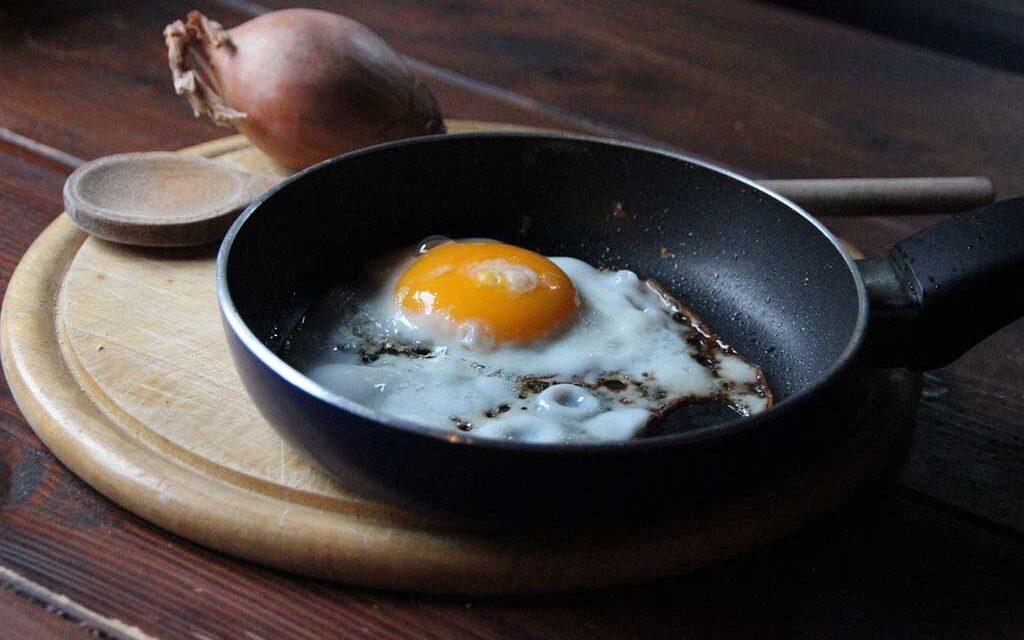
With a generally flat shape, the frying pan is a kitchen utensil used for cooking solid foods, such as vegetables, eggs, meat, etc.
It’s a surface on which foods are fried or grilled. Frying pans are also used in the preparation of other dishes. Today, there are many types of frying pans available in different materials and models.
What are the different types of frying pans available?
Having the right pan for each dish makes the cooking process easier. When shopping for kitchen utensils, consider the size, capacity, material, and overall construction. Each type of utensil has its own heating and cleaning method.
Kitchen utensils are like shoes. Your shelves are full of them, but only a few are truly used. These are the ones that don’t even go back in the cupboard, going straight from use to use.
This is common for both shoes and kitchen utensils. You naturally slip into the most comfortable, worn-in flats, and you automatically grab your trusty pans. With the weight of so many good meals resting on so few kitchen tools.
It’s good to know which ones you really need in the kitchen. Whether you’re building a new set or downsizing your current collection. Here are the different types of frying pans you need to prepare any delicious dish.
- Sauté pans (frying pans or stainless steel pans)
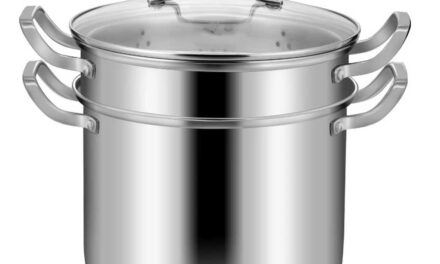
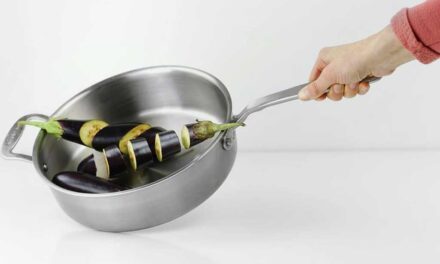
Stainless steel cookware requires oil or butter but provides a good balance for versatile cooking. If you want to own just one pan and enjoy quick-cooking meals, you should own a sauté pan, also known as a frying pan or stainless steel pan. This is the one to grab for sautéing, stir-frying vegetables, browning meat, and getting that perfectly crispy chicken skin. Sauté pans have a flat bottom, straight and relatively high sides, a long handle (sometimes even a secondary “helper” handle on the opposite side), and a lid.
Unlike other pans with curved sides that reduce the overall diameter of the bottom, sauté pans offer a generous cooking area. Their flat bottom prevents ingredients from sliding to the middle and piling up.
Meanwhile, the high sides make them excellent for sauce-based dishes and catching splatters. The best sauté pans, the ones that cook food evenly, are thick, with more material to retain heat.
A thicker sauté pan provides better heat distribution and stable temperatures. To support this weight, look for pans with sturdy metal handles fastened with screws or rivets.
Sauté pans can hold a lot of food and therefore need a solid handle to support the weight—especially if you plan to roast or braise in the pan, moving it from stovetop to oven. Sauté pans vary in diameter and capacity.
- Using a sauté pan
To start cooking with a stainless steel pan, which is not a non-stick surface, you first need to preheat the pan. This quick step prevents food from sticking. Although smooth and shiny, stainless steel is actually porous.
And the edges of these pores are where food tends to stick. Preheating the pan causes the steel to expand, closing the pores and creating an even cooking surface. Place the pan on the stovetop and turn the flame to high heat.
Once it’s hot, lower the flame and add butter or oil to the pan. Don’t do this on a cold pan, as the oil will simply sink into the pores.
Swirl the butter or oil around for a few minutes to coat the pan before adding ingredients. Sauté pans are not only spacious enough to spread food evenly and achieve a quick golden cook, but they are also deep enough to cook anything crispy. The straight sides help retain moisture and are perfect for slowly developing deep, robust flavors. From quickly preparing a vegetable stir-fry to cooking browned lamb shanks.
You can easily cook a complete meal with just one sauté pan. Stainless steel, being a non-reactive material, is also suitable for cooking tomatoes, lemons, vinegars, or other acidic foods. It doesn’t react with acids.
Altering the color and taste of foods as other cookware materials like aluminum, copper, or cast iron might. Loved for their multifunctionality, sauté pans effortlessly go from stovetop to oven to dining table, providing a warm, rustic serving dish while reducing dirty dishes.
- Cast iron pans
Cast iron is the heavy, somewhat intimidating option in the lineup. Thanks to its density, cast iron is an excellent heat conductor. It gets very hot and stays hot without temperature fluctuations. Instead of soap and water,
Cast iron pans are maintained through a process called “seasoning” (essentially oiling and baking the pan). This adds layers upon layers of rich flavor over the years. Cast iron heats evenly and uniformly without “hot spots.”
So food cooks better with less risk of burning. Its durable construction allows it to go easily from oven to table for quick, efficient serving. Cast iron is the ideal pan to withstand high temperatures, able to cook steaks and porterhouse meats without burning the exterior for a crisp finish.
Enameled cast iron has a porcelain coating that prevents rust and makes cleaning easier. It can also go from stovetop to oven and can be used to make cornbread, chicken pot pie, or oven-baked fries. Perfect for sautéing, searing, frying, and even baking.
- Non-stick pans
Non-stick is a kitchen staple material, though it has faced its share of controversy over the years. Still, there are advantages to cooking with non-stick pans and pots, as long as you keep a few rules in mind.
The most obvious benefit is in the name—they’re non-stick. The material is easy to clean and requires less oil when cooking due to the smooth coating. Once the coating breaks down, it is believed that high heat exposes food to toxic chemicals often used in non-stick cookware.
As much as possible, buy non-stick pans that do not use these harmful compounds. However, they are generally more expensive. The rule “you get what you pay for” particularly applies to non-stick pans.
Avoid heating without oil and do not use too high heat, and you will get the most out of this cooking material. Non-stick pans are lighter and better for delicate foods such as eggs and fish fillets.
With its coated surface, food moves easily in the pan without using oil or butter. These features make non-stick pans the most purchased cookware in some countries, such as the United States.
Non-stick pans are ideal for those looking to reduce fat in their diet as they can be used with little or no oil or butter.
- Aluminum pans
Speaking of material, you will find two types of aluminum on the shelves: regular aluminum and anodized aluminum. Regular aluminum is lightweight and affordable. It also has the ability to retain heat well.
Anodized aluminum is a bit stronger, more durable, and more scratch-resistant than regular aluminum. Regular aluminum has the same downside as copper.
It reacts with certain foods, which makes anodized aluminum the most ideal cooking material. However, anodized aluminum is more expensive. Aluminum pans allow for faster temperature rise. They ensure the preservation of vitamins contained in food during cooking. Aluminum pans are perfect for simmering your ingredients or making sauces.
- Copper pans
Although copper may look like a novelty item, it is not ideal for everyday cooking. It has excellent heat retention properties and cooks food evenly.
That is why some manufacturers add it to the core of stainless steel pans, which otherwise lack in this category. It is not cheap. It also requires polishing with lemon or vinegar and salt to keep it in good condition.
Similar to cast iron, it reacts with acidic and alkaline foods, meaning these foods can take on the taste of the metal and actually absorb small amounts of copper. However, copper pans are appreciated for their thermal properties.
One of the best, it ensures perfect cooking control, as it is made from a material that is an excellent even heat conductor. You can therefore use it especially when reducing sauces. Well maintained, the copper pan can serve you for many years.
Choosing a cooking pan
To choose a set of cookware, you need to select the criteria that best suit your cooking style. Whether you choose a pan for cooking your meals, you will need a set that you can use.
However, you will also need to choose a pan based on the amount you plan to cook and the purpose you will use it for. Knowing the answer to these questions will help you choose a set of kitchen equipment.
Many other factors should be considered when purchasing cookware. However, this article only scratches the surface of the necessary criteria for making a good choice when buying a cooking pan.
If you are not comfortable determining the criteria yourself, you can always seek help from an expert or an experienced friend. They will guide you in selecting cookware or bakeware that meets all your needs.
For example, you can ask them what type of cooking pans work best for you and your family, and they will give you excellent advice on the subject. You can focus on these different points when shopping for your cooking pan.
- Safety
When it comes to food preparation, safety is paramount. Do not compromise the safety of your food or your health when looking at cookware.
And especially not when buying pans. You can always check the manufacturing process with a company to find out how their products are made.
- Construction
The materials and processes used to make cookware directly affect the quality of the final product. Look for cooking pans made from a metallic coating of at least 5 layers.
Pans with carefully layered metals for superior performance. Beware of lower-quality, low-priced options. Most of these products are not coated, which can lead to uneven heating and lower durability.
- Function
The function of your pans includes everything from even heat distribution to durability. Cooking is personal, so before buying new cookware, make sure it will work well for you and your lifestyle.
To ensure you get the most out of your new cooking pan, it is always important to determine if your pans are oven-safe, if the surface is easy to clean, and whether the cookware is covered by a warranty.
- Durability
If you plan to invest in cookware, your new pans should last a lifetime. Some types of cookware are naturally more durable than others. For example, due to the nature of the material.
Ceramic cookware is quite delicate. Always look for products that combine strong materials with smart manufacturing processes to create durable pans that will stand the test of time.
- Value
You will undoubtedly pay a bit more for high-quality cookware. But don’t overpay. To really get the most out of your cooking pans, you need to find a brand that costs less without sacrificing quality.
Home chefs often end up overpaying for cookware sold through retail channels. This is because retail companies need to generate large enough profit margins on sales to cover the cost of manufacturing products, distributing products, and paying many more employees than companies that sell directly to consumers.
Companies that sell cookware and other products directly to their customers eliminate costly distribution, labor costs, and retail markups.
This business model allows culinary product companies that sell directly to consumers to charge customers less for high-quality products.
How to care for your various pans
To keep your pans in good condition, it is necessary to take care of them. Depending on the material and non-stick coating, their maintenance requires different care.
In general, it is better to wash them by hand rather than putting them in the dishwasher. The detergents in dishwasher tablets are much harsher than dishwashing liquid.
- Stainless steel pan
A stainless steel pan is incredibly easy to use. You can put it in the dishwasher and scrub it with a scouring pad. Cleanliness is assured. You can leave it dirty overnight and not worry.
Cleaning it the next day will do just as well. Plastic handles may discolor a bit when put in the dishwasher. With high-quality pans, this doesn’t happen quickly and doesn’t affect the cooking properties.
- Non-stick pan with Teflon coating
The main advantage of using a non-stick coating, of course, is that food doesn’t stick to the pan. A Teflon-coated non-stick pan must be treated with care if you want to use it over a long period.
No utensils that can scratch the inside of the pan! No knives, metal spatulas, or scouring pads should be used. Washing, whether in the dishwasher or not, should be sufficient, as nothing should stick to the surface.
If, for some reason, residue continues to stick to the surface, an acidic product will help remove it. Cooking a bit of vinegar in the pan will do the trick.
Avoid drastic temperature changes in the pan. Do not remove a pan from a heat source and immediately rinse it with cold water. This can damage the Teflon coating.
- Non-stick pan with ceramic coating
A ceramic non-stick coating is much harder and less vulnerable than a Teflon coating. This means you can scrub a bit harder during cleaning.
It is often said that scouring pads and metal spatulas do not damage the coating. But we advise you to be a little careful. Always use a sponge to clean it. Because the material of the pan is so hard, there is a greater risk of damaging it. When you are careful, you can enjoy your pan for many years.
- Steel pan
A steel pan is a very simple product. It is made of 100% iron. Over time, the pan automatically turns black due to use. In fact, it should even be “seasoned.” The black layer, or patina, works as a non-stick coating.
The layer can last a lifetime. It is mainly necessary to clean the pan with water, without using detergent. After cleaning, it should be dried immediately and lightly oiled. Otherwise, the steel will rust.
When there are stains that cannot be easily removed, brushing with coarse salt can do the trick. Even a “kitchen disaster” is not the end of the world for the pan.
In the worst case, you need to clean the entire pan and start seasoning it again. A Teflon-coated pan would have to be thrown away after such a problem.
- Cast iron pan
A cast iron pan is made for life. The only thing that can really go wrong with the pan is if it falls; the iron can crack or break. So always treat a cast iron pan with care. Let it cool before running it under cold water.
It is best to wash it by hand without detergent, especially when it is pure cast iron, which creates an additional protective enamel layer. When washing it by hand, dish soap won’t do much harm. After cleaning the pan, drying it and giving it a bit of oil prevents rust. If rust appears, a scouring pad can help.
- Copper pan
Professional chefs often use copper pans. Never use sharp objects in a copper pan. Cleaning can be easily done with warm water and detergent. When food really sticks to the bottom of the pan, it is best to soak it in water for half a day. Many copper pans have a stainless steel layer inside. This makes the pan less vulnerable to damage.
And, for example, to chemical reactions between copper and certain food elements. In any case, it is important to treat your pans with care. Considering their price, you want to enjoy them for a lifetime!