








Bread machine guide: Choose the best one!
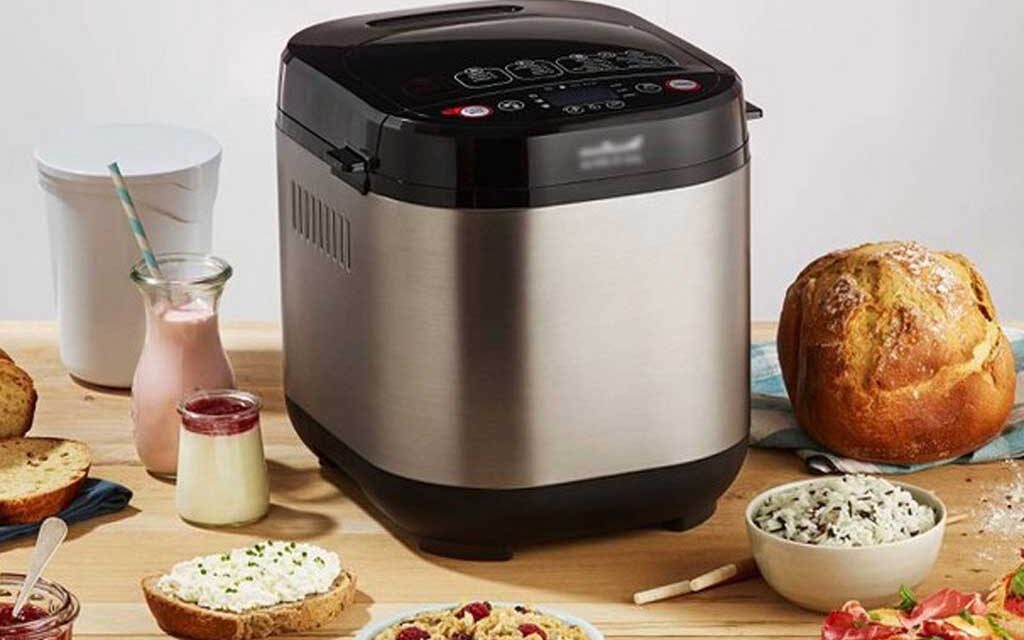
Bread Machine
A Bread Machine: What Is It?
Also called a “bread-making robot,” a bread machine is a household appliance used for making bread. It can also be used for various baking tasks at home. It is a very practical appliance for making bread from scratch.
An upside-down plastic container with a lid that contains a rotating drum. Inside, there are several integrated paddles that can be used to knead the dough and turn it into a proper dough.
This appliance is powered by a motor that comes with a range of different functions, including continuous speed and timer control. The timer is essentially a digital timer function that tells the machine when to rotate the kneading drum.
So that the dough is transformed into bread or pizza dough. Making fresh bread used to be complex and exhausting. But with the latest technologies and automatic bread machines on the market.
It is very easy to make your own bread at home. The speed at which bread machines are sold shows that thousands of people are making their own bread at home.
How a Bread Machine Works
Have you ever wondered how bread machines work? It is one of the most popular kitchen appliances today. The reason why it is so popular is that it allows you to create incredibly fresh bread every time.
Unlike old bread-making methods, these bread machines can knead the dough and give it the perfect shape. Once the dough is shaped, all you have to do is place it in the machine and set it for kneading.
The reason old methods worked was that they required you to add water to increase the elasticity and strength of the gluten. When this gluten is exposed to air, it is no longer effective for making bread. This is where the modern bread machine comes in. By using these machines, you can create an incredibly firm dough that can resist air. This gives you the ability to increase the resistance as well as the elasticity of your dough. The machine you choose will depend on your budget.
As well as the type of baking you plan to do. You can buy a basic machine capable of baking white bread, or you can get one with many different cycles. Many machines even have a timer option.
Which means you only need to set the time required for the machine to bake the bread, and it will do the baking for you. There really is a machine for just about anyone who wants to know how a bread machine works. To give you a better understanding of how a bread machine operates, here is an idea of how bread is made using a bread machine.
What Are the Steps for Making Bread with a Bread Machine?
First, determine the type of bread recipe you want to make. Gather all your ingredients and make sure you know how to use your bread machine. Then, add all the ingredients to your bread machine, and what next? The main bread-making process generally consists of five steps.
- Step 1: Mixing the Dough
Select your preferred dough cycle and press start. This activates your machine for bread making. The bread machine takes the yeast, bread flour, fat, sugar, water, and salt.
And mixes all these ingredients together to create the required dough. The crucial question here is that the right quantity of each ingredient must be precise.
- Step 2: Kneading
Once your ingredients are mixed, the bread machine kneads the dough until it becomes elastic and stretchable. If it does not knead the dough properly, you will notice that it will not rise correctly.
- Step 3: Rising
Your bread machine then starts to warm it up for 5 to 60 minutes, depending on the type of bread you are baking. At this stage, the yeast starts working. Air enters, and with the yeast, it acts on the dough. The dough expands to more than twice its size.
- Step 4: Punching Down the Dough
Believe it or not, a second kneading needs to take place! This makes the bread more uniform and ensures that air bubbles are released. Then, the dough rises a second time so that it rises evenly.
- Step 5: Baking
The final step is the final heating. This bakes the bread into a light, medium, or dark crust, depending on your settings. If you think the five steps above are too complicated, don’t worry. Because the bread machine automatically performs all five steps.
Additional Uses for a Bread Machine
A bread machine can have additional uses beyond just making bread. It can be used for kneading dough. The dough can be shaped into rolls or buns.
And other surprising uses such as making jam, rice dishes, yogurt, cake, sauces, soup, and even scrambled eggs.
Not that we necessarily recommend this route, but if for some reason your stove is out of order, this option could be a solution for you.
Is a Bread Machine Right for You? The Benefits of Having One
Companies that manufacture these machines have also learned and listened to the public over the years. So, if you are wondering whether or not to get a bread machine.
Know that it all depends on you. However, you should get a bread machine if you need to make multiple loaves or if you need more convenience. Perhaps you are tired of making bread by hand.
And you have a busy schedule or a physical disability. It could very well be a budget issue, or you are simply new to baking. Each of these reasons makes you a perfect candidate for a bread machine.
- A Few Advantages of a Bread Machine
- Convenience
Let’s face it. Making bread is a long and time-consuming process. Baking bread on the weekend can be fun. But it may not be the same during weekdays. When you come home from work and still have to take care of the house.
The Bread Machine
A Bread Machine: What Is It?
Also called a “bread-making robot,” a bread machine is a household appliance used for making bread. It can also be used for various types of baking at home. It is a very practical appliance for making bread from scratch.
An upside-down plastic container with a lid that contains a rotating drum. Inside, there are several integrated paddles that can be used to knead the dough and turn it into a proper dough.
This device is powered by a motor that comes with a range of different functions, including continuous speed and timer control. The timer is essentially a digital function that tells the machine when to turn the kneading drum.
This allows the dough to be transformed into bread or pizza dough. Making fresh bread used to be complex and tiring, but with the latest technologies and automatic bread machines on the market,
it has become very easy to make your own bread at home. The speed at which bread machines are selling shows that thousands of people are making their own bread at home.
How Does a Bread Machine Work?
Have you ever wondered how bread machines work? It is one of the most popular kitchen appliances today. The reason it is so popular is that it allows you to create incredibly fresh bread every time.
Unlike old bread-making methods, these bread machines can knead the dough and shape it perfectly. Once the dough is shaped, you simply place it into the machine and set it for kneading.
Older methods require adding water to increase the elasticity and strength of gluten. When gluten is exposed to air, it loses its effectiveness in creating bread. This is where modern bread machines come in.
By using these machines, you can create incredibly firm dough that can withstand air exposure. This gives you the ability to increase both the strength and elasticity of your dough.
The machine you choose will depend on your budget as well as the type of baking you plan to do.
You can buy a basic machine capable of baking white bread, or you can get one with many different baking cycles. Many machines even have a timer option.
This means that you only need to set the time required for the machine to bake the bread, and it will do the work for you. There is truly a machine for nearly everyone who wants to understand how a bread machine works.
To give you a better idea of how a bread machine operates, here’s an overview of the bread-making process.
What Are the Steps to Make Bread with a Bread Machine?
First, determine the type of bread recipe you want to prepare. Gather all your ingredients and make sure you know how to use your bread machine. Then, add all the ingredients to your bread machine, and what’s next?
The main bread-making process generally takes place in five steps.
- Step 1: Mixing the Dough
Select your preferred dough cycle and press start. This activates your machine for making bread. The bread machine takes the yeast, bread flour, fat, sugar, water, and salt.
It mixes all these ingredients together to create the required dough. The key point here is that the correct amounts of ingredients must be used.
- Step 2: Kneading
Once your ingredients are mixed, the bread machine kneads the dough until it becomes elastic and stretchable. If it doesn’t knead the dough properly, it won’t rise correctly.
- Step 3: Rising
Your bread machine then begins to warm it up for 5 to 60 minutes, depending on the type of bread you are making. At this stage, the yeast starts working.
Air enters, and along with the yeast, it reacts with the dough. The dough expands to more than double its size.
- Step 4: Punching Down the Dough
Believe it or not, there is a second kneading that needs to take place! This makes the bread more uniform and ensures air bubbles are removed.
Then, the dough rises a second time so that it rises evenly.
- Step 5: Baking
The final step is the last heating phase. This bakes the bread into a light, medium, or dark crust, depending on your settings.
If the five steps above seem too complicated, don’t worry. The bread machine automatically completes all five steps for you.
Additional Uses for a Bread Machine
A bread machine can be used for more than just making bread. It can knead dough that can be shaped into rolls or buns.
It can also be used for surprising functions such as making jam, rice dishes, yogurt, cake, sauces, soup, and even scrambled eggs.
Not that we necessarily recommend this, but if your stove is out of order for some reason, this option could be a solution for you.
Is a Bread Machine Right for You? The Benefits of Owning One
Companies that manufacture these machines have learned from and listened to customers over the years.
So, if you are wondering whether or not to get a bread machine, it all depends on you.
However, you should consider getting one if you need to make multiple loaves of bread or if you want more convenience.
Perhaps you are tired of making bread by hand, have a busy schedule, or have a physical disability. It could also be a budget concern, or maybe you’re just new to baking.
Any of these reasons make you a perfect candidate for a bread machine.
- Some Benefits of a Bread Machine
- Convenience
Let’s face it. Making bread is a long process that takes time. It may be fun to bake bread on the weekend, but not so much on weekdays when you come home from work and still have household tasks to do.
Most bread machines have a timer that you can set in the middle of the night with just one button press. This way, your morning wake-up can be greeted by the perfect aroma of freshly baked bread.
- Healthier Choice
Making your own bread at home is a much healthier option than buying it from a supermarket or even some bakeries, where most bread contains certain additives.
By choosing your own ingredients, you can opt for healthier choices, whether it’s organic flour, whole wheat, gluten-free bread, or any other dietary preference.
- Cost-Effective
If you have a large family that consumes a lot of bread daily, making bread at home is undoubtedly the most economical choice, as high-quality bakery bread is not cheap.
Even if you don’t eat a lot of bread but still bake a loaf once a week, you will save money in the long run.
What Types of Bread Machines Exist?
Most bread machines differ slightly as they are designed for specific purposes. Below are some of the most common types of bread machines available on the modern market.
- Vertical Bread Machines
Most bread machines bake vertically positioned loaves since the bread pan is designed this way. These machines typically have only one kneading paddle.
- Horizontal Bread Machines
Some bread machines have two kneading paddles inside the pan. With this type of bread machine, you get horizontal-shaped loaves, similar to store-bought bread.
- Small Bread Machines
Perfect for limited kitchen space or if you don’t eat a lot of bread, these compact machines take up little counter space and produce just enough bread for one or two people.
- Large Bread Machines
Ideal for large families, these machines bake bread quickly and are highly useful when catering for many people.
- Gluten-Free Bread Machines
With so many types of bread machines on the market, there are certainly models designed to meet the needs of health-conscious individuals.
Pre-programmed Bread Cycles: If you want to make a variety of bread, this function will be very convenient for you. You can bake anything from whole wheat bread to artisan bread. Some bread machines also have features to control the crust color.
Microprocessors: A few of them are equipped with microprocessors that make slight adjustments accordingly while the bread bakes, ensuring consistent bread quality.
A Viewing Window: Some of us love watching our bread bake. If you’re one of them, you may want to buy a bread machine with this feature.
A Non-Stick Kneading Paddle and Baking Pan with Wire Handles: You don’t have to worry about whether you can remove your bread without any damage. With non-stick surfaces, the beautiful loaf simply slides out of the pan.
Automated Addition of Nuts, Yeast, etc.: You don’t need to worry about the optimal time to add yeast or nuts. Simply place them in the designated compartment and let the bread machine handle the rest.
What to Consider When Buying a Bread Machine?
Although not a necessity, some bread machines come with a number of features that only serve to enhance the baking experience.
- Automatic Ingredient Dispenser
This is a small compartment where yeast or other add-ins such as nuts, raisins, chocolate, etc., are placed. The automatic ingredient dispenser takes care of adding them at the right moment during the baking process.
- Timer
A delayed timer means ingredients can be added to the mixing bowl hours in advance, ensuring you have fresh bread exactly when you need it. Perfect if you enjoy bread with dinner or waking up to freshly baked bread.
- Viewing Window
This is handy if you want to check on the baking progress without opening the lid. It’s not essential, but its absence is noticeable when a bread machine doesn’t have it.
- Keep Warm Function
Warm bread comes right after the aroma of freshly baked bread. A keep-warm function ensures your bread stays warm for up to an hour after baking, depending on your needs.
How to Clean a Bread Machine?
Do you plan to use your bread machine for many years? Then it’s important to maintain it well. This will help keep your bread machine in perfect condition.
- Step 1: Remove All Crumbs and Residues from the Bread Pan
Once you’ve unplugged the bread machine and it has completely cooled down, you can begin cleaning. Turn it on its side over the sink, trash can, or another suitable surface.
Gently brush away crumbs or remaining flour with a sponge or soft brush. If there’s dough stuck to the walls of the bread pan, wait for it to dry before removing it in the same way you did with the crumbs. You should follow the same process if you notice dough stuck to the heating element of the bread machine.
- Step 2: Clean the Bread Pan and Kneading Paddles
Next, focus on cleaning the bread pan and kneading paddles. Use warm water, soap, and a sponge or soft cloth.
Avoid using harsh chemicals when cleaning the pan of your bread machine. Keep in mind that not all removable parts of your bread machine are dishwasher-safe.
Some bread machines allow their parts to be washed in a dishwasher. However, to be safe, it’s best to check the user manual to confirm compatibility.
- Step 3: Ensure Everything is Dry Before Using Again
Once you’ve finished washing the various parts of your bread machine, ensure they are completely dry before reassembling. That’s it! It’s as simple as that—just three easy steps to keep your bread machine in great shape.
As a bonus, here are some additional tips for cleaning and maintaining your bread machine.
If any liquid has come into contact with the interior surface of the bread machine, use a microfiber cloth to wipe it dry. Make sure to thoroughly dry the heating element to remove any moisture.
- Cleaning the Interior Pan
It’s essential to take good care of your bread machine’s heating element, as it is one of the most critical parts of the appliance. Keep the heating element clean and free from dirt and crumbs to prevent any fire hazard. To clean the heating element, use a soft cloth and gently wipe away any dirt.