











Kitchen scissors and shears? Pick the right tool!
A little idea about kitchen scissors
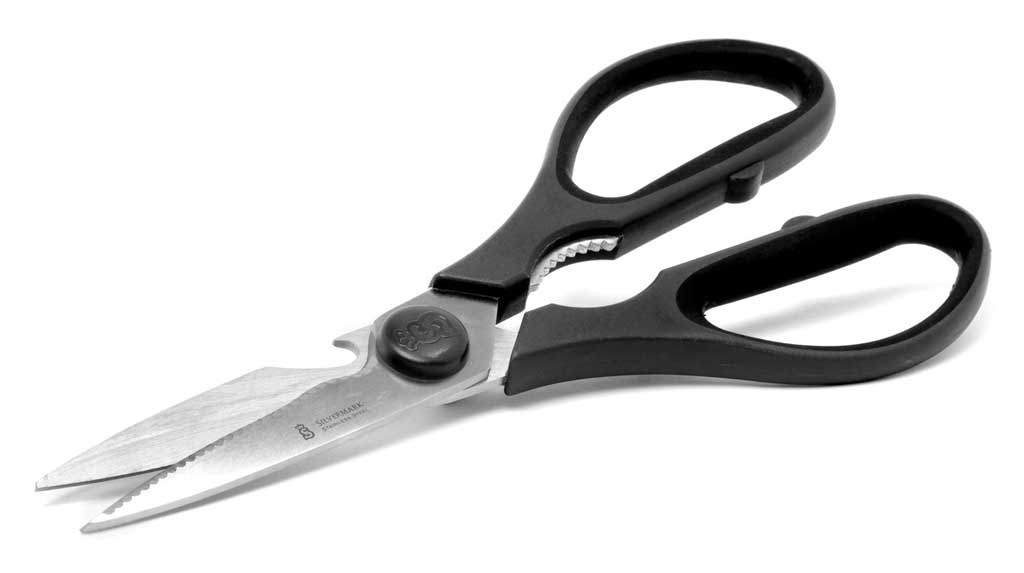
A kitchen utensil, kitchen scissors are used for cutting certain foods in the kitchen during various cooking processes. They consist of two articulated blades operated by the fingers.
They are similar to regular scissors. However, they have reinforced plastic handles. As for the blades, most are made of serrated steel.
Kitchen scissors can offer many advantages. The best kitchen scissors are durable, sharp, easy to disassemble for cleaning, and made from high-quality materials.
When to use different types of kitchen scissors?
Kitchen scissors can be used in various ways to speed up and simplify food preparation. All-purpose kitchen scissors are exactly that.
Versatile in that they can be used to open food packaging, cut herbs, vegetables, meat, and even bones.
Scratch-resistant kitchen scissors have a unique elevated handle that prevents your hands from touching the food, allowing you to cut your favorite foods directly in the pan.
An excellent way to save time when cutting pizzas, baked goods, omelets, and more, these scissors are heat-resistant and feature a scratch-resistant nylon base to protect your pans, countertops, and cookware.
For meat, use heavy-duty butcher scissors – part cleaver, part chef’s knife. A powerful serrated blade and a spring-loaded design make it easy to cut through thick meat, poultry, fish, and even bones.
On the other end of the spectrum, quick-prep herb or kitchen shears feature a unique design that maximizes the power of your thumb and index finger for better control. Perfect for chopping vegetables and herbs directly into a bowl!
How should you use kitchen scissors?
Cooks understand the importance of a good knife. But many overlook the versatility of scissors and kitchen shears. Kitchen scissors are large and may have serrated blades that make them better suited for meat.
They are great for cutting all kinds of foods, including bread, herbs, fruits, and vegetables. Additionally, many kitchen scissors have handles with built-in tools for cracking shells and opening bottle caps.
For a safer and simpler alternative to knives, choose a pair of scissors.
- Cut food with kitchen scissors
- Break down meat by cutting it
Scissors cut through slippery meats, including fish, and small areas with less difficulty than knives. Insert the tips of the scissors into the belly of the fish near the tail. Cut along the belly up to the head.
Use the scissors to cut off the head along with the fins. You can then neatly portion the meat of your choice without dirtying a cutting board. For poultry, cut along the spine or ribcage to open the bird.
Cut the wings and thighs where they connect to the body. These joints are small, so they are easier to cut with scissors rather than a knife. It is also easier to cut bacon into pieces with scissors.
- Chop fresh herbs and spices
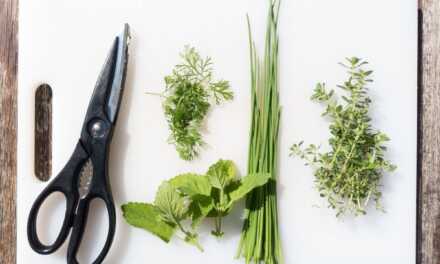
With kitchen scissors, there is little risk of slipping and cutting yourself. Leafy herbs like basil and oregano are easily harvested by cutting the leaves at the stems. To break up the leaves,
place them in a bowl and cut them until they are as small as you want. You will get clean cuts without damaging the leaves. Sturdy herbs and spices like garlic and ginger are also very easy to cut into pieces with scissors.
- Trim roots and stems from fruits and vegetables
Leafy tops, such as those on carrots and strawberries, can be cut off without much effort. Kitchen scissors also help remove roots or woody stems from green onions and mushrooms.
For broccoli, cut the florets at the stem. The sharper blade can also be used to scrape off dark spots and other imperfections.
- Cut dough after rolling it out
Kitchen scissors are a handy tool in baking. After laying out phyllo or puff pastry flat, cut it to the right size. Scissors make clean and even cuts.
For pie dough, place it in the pie dish and trim the edges to remove excess. Kitchen scissors are also a great way to form a lattice crust by cutting the dough into strips and laying them over the pie.
They also help precisely cut pasta dough, such as when forming ravioli.
- Cut food inside a can to avoid mess
This is particularly useful for canned tomatoes, which can be very messy when removed from the can. Leave them inside and cut them with the scissors until they are broken down into small pieces.
Then you can pour them into a pot without losing any juice. This also works with other canned foods, such as pineapple rings and peppers.
- Cut bread into small pieces
Scissors are great for preparing bite-sized pieces of food, but they work especially well for bread. Cut around the crust to remove it cleanly while leaving the rest of the bread intact. Leftover bread can be evenly cut into cubes for stuffing, bread pudding, croutons, or other recipes.
Kitchen scissors also allow you to cut pitas into evenly sized wedges. They can even slice pizzas after baking.
- Use kitchen scissors to cut dried fruits and vegetables
These dried products are small and slippery, making them difficult to cut with a knife. Place them between the scissor blades and cut them in half. This is an easy way to break down foods such as raisins or sun-dried tomatoes.
- Cut open shellfish for quick cleaning
Kitchen scissors have handles strong enough to crack crab claws and lobster shells. The scissor blades are useful for cutting cleanly through thinner shells.
A small idea about kitchen scissors
A kitchen utensil, kitchen scissors are used for cutting certain foods in the kitchen. During various cooking processes, they consist of two articulated blades, operated by the fingers.
They are similar to regular scissors. However, they have reinforced plastic handles. Regarding the blades, most are made of serrated steel.
Kitchen scissors can offer many advantages. The best kitchen scissors are durable, sharp, easy to disassemble for cleaning, and made from high-quality materials.
When to use different types of kitchen scissors?
Kitchen scissors can be used in different ways to speed up and simplify food preparation. All-purpose kitchen scissors are exactly that.
Versatile in that they can be used as kitchen scissors to open food packaging, cut herbs, vegetables, meat, and even bones.
Scratch-resistant kitchen scissors feature a unique elevated handle that prevents your hands from coming into contact with food. Allowing you to cut your favorite foods directly into the pan.
A great way to save time cutting pizzas, baked goods, omelets, and more, these scissors are heat-resistant and have a scratch-resistant nylon base to protect your pans, countertops, and cookware.
For meat, use sturdy butcher scissors – part cleaver, part chef’s knife. A powerful serrated blade and a spring-loaded design make it easy to cut through thick meat, poultry, fish, and even bones.
On the other end of the spectrum, herb shears or quick-prep kitchen scissors have a unique design that maximizes the power of your thumb and index finger for better control. Perfect for chopping vegetables and herbs directly into a bowl!
How should you use kitchen scissors?
Cooks know the importance of a good knife. But many overlook the versatility of kitchen scissors. Kitchen scissors are large and may have serrated blades, making them better suited for meat.
They are great for cutting all kinds of foods, including bread, herbs, fruits, and vegetables. Additionally, many kitchen scissors have handles designed to crack shells and remove bottle caps.
For a safer and simpler alternative to knives, opt for a pair of scissors.
- Cut food with kitchen scissors
- Break down meat by cutting it
Scissors cut slippery meats, including fish, and small spaces with less difficulty than knives. Insert the tips of the scissors into the fish’s belly near the tail. Cut along the belly to the head.
Use the scissors to cut off the head along with the fins. You can then neatly cut the meat of your choice without dirtying a cutting board. For poultry, cut along the spine or ribcage to open the bird.
Cut the wings and thighs where they connect to the body. These joints are small, making it easier to cut them with scissors than with a knife. It is also easier to cut bacon into pieces with scissors.
- Chop fresh herbs and spices
With kitchen scissors, there is little risk of slipping and cutting yourself. Leafy herbs like basil and oregano are easily harvested by cutting the leaves at the stems. To break the leaves down.
Place them in a bowl and cut them until they are as small as you want. You will get clean cuts without damaging the leaves. Sturdy herbs and spices like garlic and ginger are also very easy to chop into pieces with scissors.
- Cut roots and stems from fruits and vegetables
Leafy tops, like those on carrots and strawberries, can be cut without much difficulty. Kitchen scissors also help remove woody roots or stems from green onions and mushrooms.
For broccoli, cut the florets at the stem. The sharper blade can also be used to scrape off dark spots and other imperfections.
- Cut dough after rolling it out
Kitchen scissors are a handy tool in baking. After laying out phyllo dough or puff pastry, cut it to the right size. The scissors make clean and even cuts.
For pie dough, place the dough in the pie pan and trim the edges to remove excess. Kitchen scissors are also a great way to create a lattice by cutting the dough into strips and placing them on the pie.
They also help cut pasta dough precisely, such as when making ravioli.
- Cut food in a can to avoid mess
This is especially useful for canned tomatoes, which can be very messy when removed from the can. Leave them inside and cut them with scissors until they are broken down into small pieces.
Then, you can pour them into a pan without losing any juice. This also works with other canned foods, such as pineapple rings and bell peppers.
- Cut bread into small pieces
Scissors are great for preparing bite-sized food. But they work particularly well for bread. Cut around the crust to remove it cleanly, leaving the rest of the bread intact. Bread leftovers can be cut evenly into cubes for stuffing, bread pudding, croutons, or other recipes.
Kitchen scissors also allow you to cut pitas into evenly sized quarters. They can even cut pizzas after baking.
- Use kitchen scissors to cut dried fruits and vegetables
These dried products are small and slippery, making them difficult to cut with a knife. Place them between the scissor blades and cut them in half. This is an easy way to break down foods such as raisins or sun-dried tomatoes.
- Cut shellfish open for quick cleaning
Kitchen scissors have strong handles to crack crab claws and lobster shells. The scissor blades are useful for cutting cleanly through thinner shells, such as those of shrimp.
With knives, this is difficult, and you would also need a cracker. For shrimp, push the scissor blades under the shell.
Cut along the vein, then peel off the shell by hand. The vein will also become immediately visible.
- Use scissors on non-food items
- Cut sealed packaging
While kitchen scissors are meant for food, they open packaging just as well as regular scissors. This is very useful in the kitchen when your hands are slippery, or a package doesn’t tear properly.
You can also cut ties without stopping to untie them. Kitchen scissors are handy for vacuum-sealed packaging that cannot be torn by hand.
- Remove plastic bottle caps with scissor handles
Kitchen shears have clamp-shaped teeth between the handles. So, place a plastic cap, like that on your hot sauce bottle, between the handles.
Set the bottle on the table to avoid dropping it. Hold the scissors level with the table, then twist until the seal breaks. For larger caps, tilt the scissors upwards and away from your body. Then grip the cap between the handles and twist.
- 6 types of kitchen scissors to have at home and why?
You should have kitchen scissors that make your life easier. Kitchen scissors are one of the most important tools to have in your kitchen.
For most people, kitchen scissors are optional, even though they serve many purposes. Even though a good set of knives will handle 99% of all cutting tasks, kitchen scissors can be incredibly useful.
One of the main benefits of using kitchen scissors is that you can apply much more force without risking injury.
Here are the 6 best kitchen scissors that will help you showcase your culinary skills:
- Triple-blade herb scissors
These are handy scissors that finely chop herbs and stems. You can use these scissors to add ingredients directly to the pan while preparing dips or sauces.
The three blades cut herbs without damaging them. This way, you get the true flavor. Herb scissors are made of stainless steel and have soft handles, so you can cut herbs without hurting your fingers.
- Poultry scissors
To prepare a perfectly cooked chicken or barbecue, you need to cut poultry efficiently and debone it carefully. Poultry scissors are mainly made of forged surgical stainless steel.
This allows you to easily cut meat. In addition to cutting poultry, they can also be used for other cutting and chopping needs that require precision cutting.
Since the edges are very sharp, these scissors come with a safety latch for secure storage.
- Seafood scissors
If you love cooking seafood, you must know how difficult it can be to crack, cut, and peel crabs. For people who prefer seafood, seafood scissors are the best choice.
Whether you need to devein lobsters or crack crab shells, with the right seafood scissors, it becomes much easier.
These scissors come with a built-in cracker between the handles to easily crack shells, no matter how hard they are. Whether you’re a professional or a mom, seafood scissors will help you prepare restaurant-style seafood dishes. The shell crackers can also be used to crack nuts.
- Pizza scissors
Have you ever thought about cutting pizza with scissors? You might laugh at someone using scissors to cut pizza, but it is often the best way to cut pizzas into equal parts.
Most pizza scissors come with a non-stick nylon base that cuts through the dough effortlessly without creating a mess. If you are someone who loves Italian cuisine, a pair of pizza scissors is perfect for you.
- All-purpose kitchen scissors
As the name suggests, these scissors can do almost anything. From cutting plastic wrap to baking sheets, cracking nuts, chopping cilantro or parsley, or breaking seals.
These versatile scissors are a must-have for every kitchen, regardless of cooking and eating habits. When buying all-purpose kitchen scissors, make sure to invest in high-quality scissors to ensure they are durable and serve their purpose well.
Choose kitchen scissors that are easy to maintain so you can clean them thoroughly.
- Kitchen scissors with a bottle opener
A meal is incomplete without a glass of good wine. But when it comes to opening your favorite wine, you need a bottle opener that will remove the cap or cork without spilling the wine.
You may have corkscrews and bottle openers at home, but having scissors with a built-in bottle opener would be more convenient. Scissors provide a better grip, allowing you to apply more pressure.
What to look for when buying kitchen scissors
- Strong construction and good balance, with few crevices where food can accumulate.
- Smooth action; the shears should open and close with little effort.
- The handles should fit comfortably in your hand. If they are too small, they will reduce your control and strength.
- They should be non-slip. Plastic or rubber handles tend to be the best for this. Otherwise, it can be difficult to apply force when cutting chicken bones or other hard materials.
- A bone notch on one blade helps grip poultry bones or flower stems for easier cutting.
- A lock is useful on spring-loaded models to keep the blades securely closed.
- A tightening mechanism, such as a bolt, can help keep the blades closely aligned.
- The blades should be well-aligned and sharp. But do not check with your fingers! Make sure they meet cleanly when closed. Short blades can make cutting harder since you can’t achieve a long stroke.
- Detachable scissors that separate into two parts for easy cleaning.
- Other optional features may include bottle and jar openers, a nutcracker, an herb stripper, or a screwdriver head.
How to maintain your kitchen scissors
- Wash the scissors after using them on food
Treat them like any other kitchen utensil. Every time you use them, bacteria get on the blades, which are then transferred to the next food you cut.
At the very least, they should be washed after handling raw meat. To stay safe, wash the scissors every time you use them. After cutting meat, make sure to wash the scissors before using them on any other food.
- Separate the scissor blades
Look where the blades meet. If they are attached with a screw, do not try to separate them. Other shears can be taken apart. They may slide apart or have an unlocking button in the handle.
Check the user manual for details on how to separate the blades. If you cannot separate them, you can still rinse them thoroughly. Separating them just makes cleaning easier.
- Wash the blades with soap and water
Scissors should be washed like any other kitchen utensil. Use your regular dish soap with warm water. Make sure the soap reaches areas where the blades cross or meet the handles.
These areas can accumulate many microbes and bacteria, especially if your scissors do not come apart. Some kitchen scissors are designed to be dishwasher-safe. Check the packaging or instructions to ensure they are suitable.
- Hand dry the scissors
Use a clean cloth to wipe the blades and remove all water, including from hard-to-reach areas near the handles. Water causes metal to rust.
It would be a shame to see an expensive, high-quality pair of scissors turn brown and fragile. Even if you wash the scissors in the dishwasher, it’s a good idea to dry them by hand to prevent rust.
- Air dry the blades
Place them on a drying rack if you have one. You can also lay a paper towel or a piece of newspaper on your countertop.
Spread the scissor blades on the surface you have chosen. Leave the scissors there for a few minutes to allow the remaining moisture to dry.
- Store the blades away from metal
Contact with other metals dulls the blades. So, do not throw them into your utensil drawer. A knife block is the ideal place to store scissors. If they do not fit in the block, keep them in a separate drawer away from other utensils.
Conclusion
Whether you love cooking or not, having the right kitchen accessories is essential. Not only does it save you time, but it also reduces effort significantly.
While most of us use knives for most of our cutting and chopping needs, it is time to upgrade our kitchen tools to perform tasks even more efficiently.
However, you may not need all types of kitchen scissors. So before you go shopping for kitchen scissors, it is necessary to understand your different needs.
Your cooking style and eating habits play a role. No matter what type of scissors you plan to buy, make sure to invest in the highest quality scissors so they last longer.
When buying kitchen scissors, consider their purpose, quality, and efficiency to get the best value for your investment.
With the right type of kitchen accessories, you can enhance your cooking skills and experiment with new recipes. So don’t wait any longer—get the best kitchen scissors and win hearts again!