








Choosing the best cutting board for your needs!
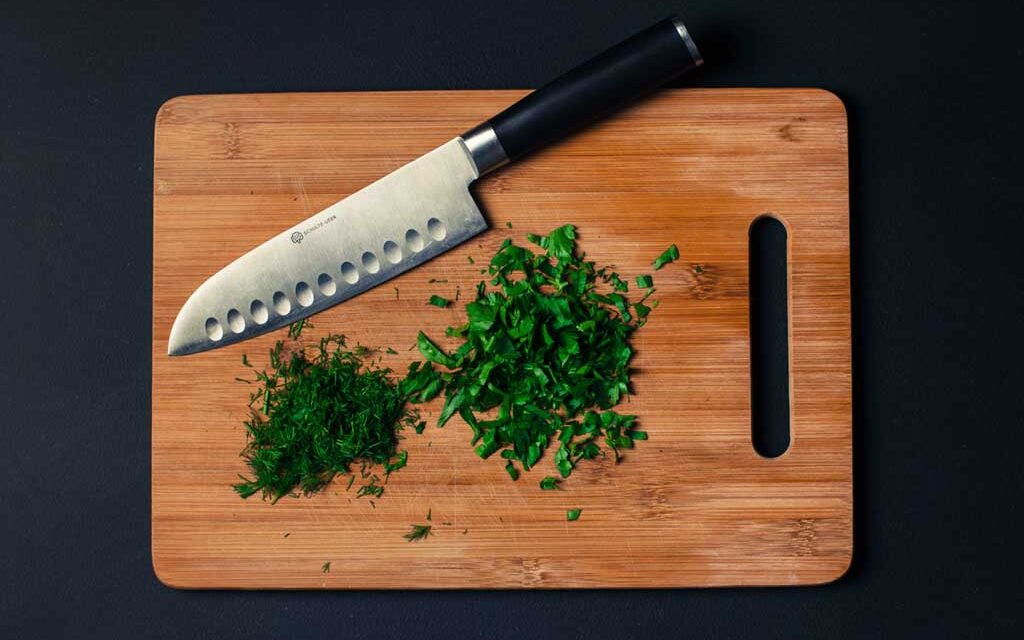
The Essential Kitchen: Cutting Boards
A kitchen utensil made of wood, plastic, metal, or glass. The cutting board, also known as a “breadboard,” is used for cutting certain foods with a knife. A durable and sturdy element.
It is used instead of your home’s tables or dishes when cooking. Kitchen cutting boards are essential for chopping ingredients, cutting vegetables and meats, and spreading sauces and marinades.
A Guide to Cutting Boards and Which One to Choose
There are many types of cutting boards on the market. You’ve probably heard all sorts of conflicting advice about the most eco-friendly cutting board.
The most comfortable and appropriate one for your knives. So, who is right? Here are the different types of cutting boards you can find on the market:
- Plastic cutting board
- Wood cutting board
- Bamboo cutting board
- Glass cutting board
- Plastic Cutting Board
Many people believe that plastic is the most hygienic cutting board material compared to wood and bamboo. It is safe to put in your dishwasher.
However, a study found that “more bacteria are recovered from a used plastic surface than from a used wood surface.” The study also found that while a new plastic board could be disinfected,
a plastic surface marked by a knife was impossible to clean and disinfect manually.
- Bamboo Cutting Board
Bamboo is the choice of many environmentalists. A hard grass, it is a sustainable and renewable resource that requires no chemicals to thrive or be harvested.
And, since bamboo boards absorb less liquid than wood boards, many believe they are at least as hygienic as wood boards.
What is the downside?
Bamboo is 19% harder than traditional maple, which means it is also tougher on your knives. Additionally, small grooves can slightly catch your knife, disrupting a smooth cutting action.
- Wood Cutting Board
Wood is a renewable resource, though not as easily renewable as bamboo. Many boards are actually made from wood waste (i.e., factory scraps that would otherwise be discarded).
Additionally, a thick softwood board is gentle on knives and keeps them sharper for longer. Finally, a good maple or beech cutting board is somewhat self-healing and does not scar as easily as a plastic board.
- Glass Cutting Board
Why You Shouldn’t Use Glass Cutting Boards
Tempered glass may seem like a great material for a cutting board. It is sturdy, heat shock-resistant, and easy to disinfect in the dishwasher or sink.
However, there are good reasons why I would never use glass for my cutting surface. Here are a few reasons for you.
- It’s All About Your Knives
Wood cutting boards may require a bit more maintenance and care than tempered glass varieties, but they are much gentler on your knives. After all, every knife slice ends at the cutting board.
It follows that the less forgiving the surface, the more wear and tear on your knife blade’s edge.
- Noise Matters Too
Another thing I hate about glass cutting boards? The loud, infernal noise they make every time the knife hits them! For anyone with sensitive hearing,
you can compare the sound to nails on a chalkboard. Give me the dull thud of an end-grain butcher block any day over the racket created by cutting on glass.
It’s practically music to my ears. So ditch the glass and opt for wood, bamboo, or plastic instead. Your knives and your ears will thank you.
5 Important Things to Know About Cutting Boards
Cutting boards are arguably one of the most important tools in your kitchen. It is almost impossible to cook without one,
which means it’s just as important to be well-informed about them.
From how many to own, to which material to buy, to how to take care of them—here are five useful things to know about cutting boards:
- You Need a Bigger One Than You Think
Buy the largest cutting board your kitchen counter can hold. Yes, really. While you might think a small board will work just fine,
an extra-large board gives you plenty of space to cut without all those chopped onions piling up just inches from your knife. Trust us.
Once you have the space, you’ll wonder how you ever used anything smaller.
- If You Like the Look and Price of Bamboo Boards, Research Them Before Buying
Recently, bamboo cutting boards have become a popular alternative to traditional wooden boards. They are attractive, lightweight, and generally affordable.
If you want to go for bamboo boards instead of wood, learn a bit more about them before buying. They are an eco-friendly and hygienic choice,
but they can potentially dull your knives.
- Keep a Plastic Cutting Board Handy for Raw Meat
While wood and bamboo boards are the best choices for most chopping and dicing, invest in a medium-sized plastic cutting board for preparing raw meat.
This way, you avoid the risk of dangerous cross-contamination. Plus, plastic boards can be disinfected in the dishwasher.
- A Damp Paper Towel Is All You Need to Keep Your Board from Slipping
Don’t worry about buying a cutting board with fancy handles or rubber edges to keep it from slipping on your counter.
Take a tip from professional chefs and simply place a damp paper towel on the counter before setting your board down.
The slipping is gone.
- Wood and Bamboo Boards Must Be Properly Maintained to Last
While you can put a plastic cutting board in the dishwasher, never clean a wood or bamboo board this way.
Heat can damage them, and excessive water exposure can cause them to warp and crack. Instead, wash them in warm soapy water and dry them immediately.
Avoid soaking them in water. Oil them frequently to keep them looking new.
Why You Should Always Choose a Wooden Cutting Board?
5 Benefits of Wooden Cutting Boards for Your Kitchen
No kitchen is complete without a quality cutting board. It is an essential tool widely used by families daily. If cooking is an important aspect of your life, you need a sturdy cutting board.
Safe for food preparation and reliable. Before making a purchase, it is important to know the key features and details about wooden cutting boards. Here are some benefits to consider:
- Variety of Options
Hardwood offers a variety of cutting board options to suit any homeowner’s style or preference. Wooden cutting board options include:
- Edge grain butcher block
- End grain butcher block
- Wide plank
- Live edge
- Rustic edge
Each of these options has its own unique characteristics in terms of style and construction. Regardless of the design, hardwood does not compromise on quality. Every cutting board available is designed to look great and perform at the highest level.
- Durable and Reliable
One of the most notable advantages of wooden cutting boards is their durability. Wood, especially butcher block, is known for withstanding heavy daily use. With proper care and maintenance, wood can last for years.
This longevity not only makes a wooden cutting board a wise financial investment, but also a safe tool. When preparing food, especially raw meat, you want a strong and reliable surface.
This is crucial for safety. A wooden cutting board ensures that stability.
- Easy to Maintain
Compared to other types of cutting boards, such as plastic boards, wood is relatively easy to clean and maintain. For this reason, wooden cutting boards do not easily get contaminated or harbor harmful bacteria.
You have the option to purchase your cutting board “pre-treated” with mineral oil or natural vegetable oil. This makes your cutting board completely ready for food preparation and dishwasher safe.
- Customization
With other cutting board materials, you may be stuck with limited options or one-size-fits-all designs. Not with wood. You can get customized wooden cutting boards that cater to your individual needs.
- Adds Style to Your Kitchen
Not only are wooden cutting boards functional, but they are also aesthetically pleasing. Wood adds warmth and natural beauty to any kitchen.
If you are looking to create a traditional look in your kitchen, a wooden cutting board or two can help you achieve that goal. A rustic cutting board will add a rustic touch to your home.
Ultimately, do not consider wooden cutting boards as tools to be stored away until needed. Display them alongside the best accessories in your kitchen!
How to Oil and Maintain Wooden Cutting Boards
While a good chef’s knife is often the most glamorous choice when people are asked to name their favorite kitchen tool, the truth is that a good knife is nothing without a solid board to use it on. If you’re like us,
your wooden cutting boards are some of your most-used and most-loved kitchen tools. Of course, these boards need some care from time to time. Regular oiling will prevent them from warping or cracking.
Wood or Plastic? A Personal Choice
I use wooden cutting boards for most of my kitchen prep, which is often focused on fruits and vegetables. I appreciate wood because it is the best choice for maintaining a knife’s sharp edge, and I love its appearance.
I find most plastic boards quite unattractive, and they become even uglier over time as they stain and harden. Eventually, plastic boards need to be thrown away, whereas I have had some of my wooden cutting boards for over 10 years.
They only get more beautiful with time if well maintained. I often serve food directly on my cutting board for a rustic and warm look.
They do require upkeep, but I don’t mind. In fact, I enjoy the process of taking care of my kitchen tools. I use a mixture of mineral oil and beeswax on my boards.
What About Food Safety?
Many tests have been conducted to determine whether plastic cutting boards are safer from contamination than wood. Most tests show that wood can actually be safer, as plastic cutting boards tend to harbor more bacterial contamination.
How to Maintain and How Often
Wooden cutting boards should be kept clean, and daily maintenance often involves a good scrub with hot soapy water after use. Do not soak your boards or any wooden utensil in water, as they will crack and warp!
Some people use a very diluted bleach solution or hydrogen peroxide to clean their boards after cutting raw meat as a precaution against bacterial contamination.
Depending on how often you use your cutting board, you should also oil it to help maintain its surface and prevent it from drying out. At my house, this happens about once a month, but I know people who do it once or twice a year, and others who do it weekly.
Oiling with Mineral Oil or a Spoonful of Butter
The oil you use for your wooden cutting boards should be food-grade and not prone to rancidity. Mineral oil is a universal choice.
It is inexpensive, and you can easily find bottles at most kitchen supply stores. Personally, I like to use a homemade blend of beeswax and mineral oil.
There are also branded cutting board creams and oils available at kitchen supply stores. Before you start, make sure your boards are very clean.
The boards must also be dry before oiling, so be sure to plan accordingly. The oil should be allowed to soak in for as long as possible.
Choose Your Cutting Board: Some Criteria
Why Should You Always Choose a Wooden Cutting Board?
5 Benefits of Wooden Cutting Boards for Your Kitchen
No kitchen is complete without a quality cutting board. It is an essential tool widely used by families every day. If cooking is an important part of your life, you need a sturdy cutting board.
Safe for food preparation and reliable. Before making a purchase, it is important to know the key characteristics and details about wooden cutting boards. Here are some benefits to consider:
- Variety of Options
Hardwood offers a variety of cutting board options to suit any homeowner’s style or preference. Wooden cutting board options include:
- Edge grain butcher block
- End grain butcher block
- Wide board
- Live edge
- Rustic edge
Each of these options has its own unique characteristics in terms of style and construction. Regardless of the design, hardwood does not compromise on quality. Every cutting board is designed to look great and perform at the highest level.
- Durable and Reliable
One of the most remarkable advantages of wooden cutting boards is their durability. Wood, especially butcher block, is known for withstanding heavy daily use. With proper care and maintenance, wood can last for years.
This longevity not only makes a wooden cutting board a wise financial investment but also a safe tool. When preparing food, especially raw meat, you want a solid and reliable surface. This is crucial for safety. A wooden cutting board provides this stability.
- Easy Maintenance
Compared to other types of cutting boards, such as plastic ones, wood is relatively easy to clean and maintain. For this reason, wooden cutting boards do not easily contaminate or harbor harmful bacteria.
You can purchase your cutting board “pre-treated” with mineral oil or natural vegetable oil. This makes your cutting board fully ready for food preparation and dishwasher safe.
- Customization
With other cutting board materials, you may be stuck with limited options or one-size-fits-all designs. Not with wood. You can get custom wooden cutting boards that meet your individual needs.
- Enhances Your Kitchen’s Style
Not only are wooden cutting boards functional, but they are also aesthetically pleasing. Wood adds warmth and natural beauty to any kitchen.
If you are looking to create a traditional look in your kitchen, one or two wooden cutting boards can help you achieve that goal. A rustic cutting board will add a cozy, rustic touch to your home.
Ultimately, do not think of wooden cutting boards as tools to be stored away until needed. Display them with the rest of your best kitchen accessories!
How to Oil and Maintain Wooden Cutting Boards
While a good chef’s knife is often the most praised kitchen tool, the truth is that a great knife is nothing without a good board to use it on. If you’re like us, your wooden cutting boards are one of your most used and beloved kitchen tools.
Of course, these boards need some maintenance from time to time. Regularly oil them, and they will never warp or crack.
Wood or Plastic? A Personal Choice
I use wooden cutting boards for most of my kitchen prep, which often involves fruits and vegetables. I appreciate wood because it is the best choice for maintaining a sharp knife edge, and I love its appearance.
I find most plastic boards quite unattractive, and they only get worse over time as they stain and harden. Eventually, plastic boards need to be thrown away, whereas I’ve had some of my wooden cutting boards for over 10 years.
They only get more beautiful with time if well cared for. I often serve food directly on my cutting board for a rustic and warm look.
These boards require maintenance, but I don’t mind. In fact, I enjoy taking care of my kitchen tools. I use a mixture of mineral oil and beeswax on my boards.
What About Food Safety?
Many tests have been conducted to determine whether plastic cutting boards are safer from contamination than wood. Most tests show that wood can actually be safer, as plastic boards tend to harbor more bacterial contamination.
How to Maintain and How Often
Wooden cutting boards should be kept clean, and daily maintenance often involves a good scrub with hot, soapy water after use. Do not soak your boards or any other wooden utensils in water, or they will crack and warp!
Some people use a very diluted bleach solution or hydrogen peroxide to clean their boards after cutting raw meat as a precaution against bacterial contamination.
Considering how often you use your cutting board, you should also oil it to maintain its surface and prevent it from drying out. At my home, this happens about once a month. But I know people who do it once or twice a year and others who do it once a week.
Oiling with Mineral Oil or a Spoonful of Butter
The oil you use on your wooden cutting boards should be food-safe and not prone to rancidity. Mineral oil is a great choice because it is inexpensive and widely available in most kitchen supply stores.
Personally, I like using a homemade blend of beeswax and mineral oil.
There are also branded wood cutting board creams and oils available in kitchen supply stores. Before you start, make sure your boards are very clean.
The boards must also be dry before oiling, so factor this into your timing. The oil should be allowed to soak in for as long as possible.
Choose Your Cutting Board: Some Criteria
Plastic Cutting Boards
Advantages
- Easy to Clean
Many people throw their plastic cutting boards into the dishwasher for cleaning. While this is easy to do, unless you have a sanitizing cycle that runs at the end, you risk simply spreading potentially harmful bacteria all over the dishwasher.
- Cheap to Buy
You can find plastic cutting boards in packs of four for less than 15 euros. A good hardwood cutting board will cost 25 euros or more, depending on the size. However, this is where you start to wonder…
If I have to replace this cutting board for safety every time it develops deep grooves, am I really saving money? And money is not the only cost to consider. If you have to keep throwing them away.
Disadvantages
- The Game Changer
Used plastic boards with knife scars can harbor bacteria even after a thorough cleaning. Research has also clearly shown that running a used cutting board through a dishwasher does not effectively clean the cracks of a plastic board.
Conclusions… Wood or Plastic…
Both plastic and wooden cutting boards can harbor harmful bacteria if not properly maintained. All cutting boards should be washed promptly after use. Highly favored plastic cutting boards are regulated in the crafting industry.
We must continue to limit cross-contamination by using different cutting boards when preparing meat.
Wooden cutting boards are definitely the way to go (and if you don’t have them yet, you’ll be happy to know that you can find cutting boards on sale).
Cleaning and Maintenance of Cutting Boards
- Keep your cutting boards in perfect condition with proper care.
- Clean your cutting boards after each use, and you will extend their lifespan.
Wooden and bamboo cutting boards should never be soaked for extended periods, but all cutting boards benefit from a good scrub under hot water.
To remove grease from the board’s surface that might give bacteria a place to hide, scrub well. For persistent odors or stubborn stains, sprinkle a teaspoon of coarse salt on the stained areas and rub the surface with a cut lemon half.
Then, wash and treat as usual. Wooden boards should be conditioned with food-grade mineral oil or beeswax at least once every three months.
Some types of wood shrink more as they dry than others and may need more frequent oiling. Follow all manufacturer instructions for maintenance and conditioning.
- Do not use olive oil or other food oils to treat wooden cutting boards
The oil can turn rancid, creating unpleasant odors and flavors that can transfer to food.
Cutting Board Safety
- Avoid Cross-Contamination
Cross-contamination occurs when bacteria are transferred from one type of food to another, particularly from raw animal products (seafood, meat, or poultry) to cooked foods, fresh produce, or baked goods.
Preventing this is one of the key ways to maintain a clean kitchen and prevent foodborne illnesses. Use separate cutting boards for poultry, seafood, and meats.
Fresh produce and baked goods can share the same cutting board, but ensure the produce’s surface has been washed before cutting.
Cutting boards used for raw proteins can be wood, plastic, or bamboo, but no board should be reused unless it has been properly cleaned and sanitized.
- Cleaning vs. Sanitizing
Cleaning removes dirt or stains, while sanitizing reduces pathogens on surfaces. Both should be diligently applied to cutting boards to prevent cross-contamination.
Cleaning and Sanitizing Follow a 4-Step Process:
- Clean the cutting board with warm soapy water. Scrub the board on all cutting sides with a brush or medium scrubbing pad to remove any grease and oils that may seep into the grooves and prevent proper cleaning.
- Rinse the board thoroughly under running clean water.
- Sanitize the board with a bleach solution. Mix 1 tablespoon of unscented bleach in a gallon of water. Cover the board’s surface with the bleach solution and let it sit for 5 to 7 minutes. Rinse the board with clear water.
- Allow the board to air dry completely before storing. If necessary, you can also pat the board dry with clean paper towels and reuse it.
If manufacturer instructions allow, acrylic and plastic cutting boards can be washed in the dishwasher. However, you should always clean and scrub the board before placing it in the dishwasher.
Wood and bamboo cutting boards should always be washed by hand. Since bamboo cutting boards are harder than other wooden boards, they resist knife grooves and do not absorb much moisture.
Because they are more resistant to bacteria, sanitizing a bamboo board is optional. Cleaning it with warm, soapy water is usually sufficient. Periodic oiling helps retain moisture.
Replace Worn Cutting Boards
Once a cutting board develops extensive scars, it should be replaced. Wooden boards and many plastic ones can be recycled.
Cutting Board Storage
When storing cutting boards, place them in a location that will be useful for food preparation, near a countertop or kitchen island if you have one.
Ensure there is good air circulation in the storage area. One of the advantages of storing cutting boards is that they can be stored in different ways, allowing you to save space.
- Hanging
Some cutting boards come with loops for hanging. And some wooden cutting boards have holes that can be used for storage on hooks.
These hooks can be installed on a free wall or even next to a cabinet. If a board doesn’t have a pre-drilled hole, a drill with a flat bit can be used to create one.
- Bins or Baskets
Several cutting boards can be stored together in a bin or basket. A high-sided bin is useful for holding larger cutting boards.
But even a low decorative basket can be used for countertop display. Place the container in such a way that the backsplash or a wall helps support the boards.
- Organizers
Cutting board organizers are also commonly sold. You can usually find models that allow the boards to be stored vertically.
These are useful if you have multiple sizes of cutting boards to store in a compact space. There are also organizers that store the boards flat. Both types typically have open sides for easy sliding and replacement of the cutting boards.
Conclusion
Analyze your cooking and entertaining habits to determine the best cutting board material and the best boards for you.
In the end, you may find that you collect different types of cutting boards in various sizes to meet all your kitchen tasks and entertaining needs.