










Steam basket selection: Which one is right for you?
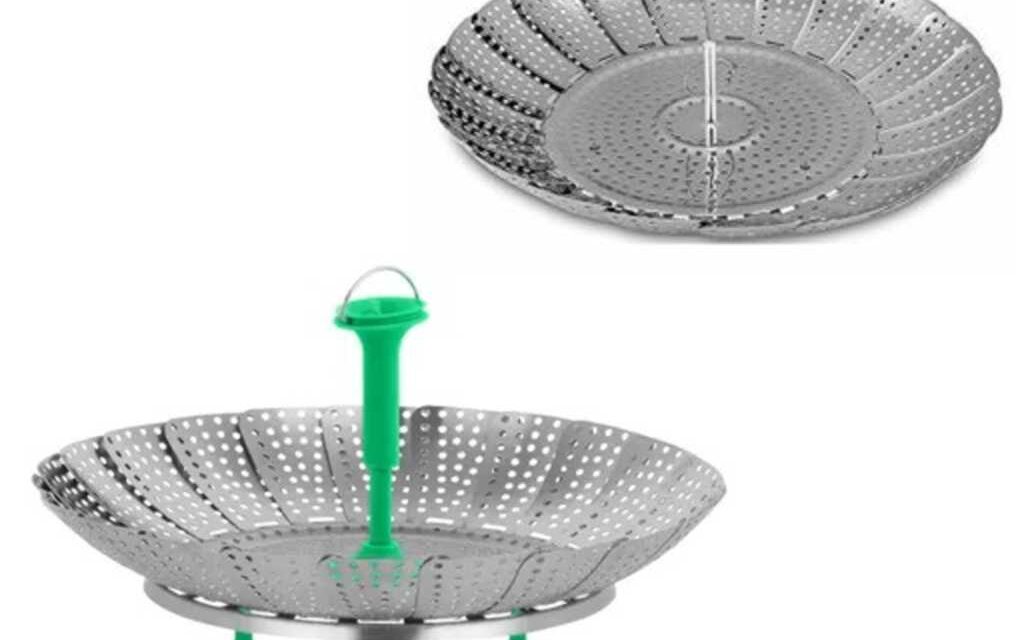
The Steam Basket: Ideal for Steaming
Made of plastic or metal, the steam basket is a kitchen utensil used for steaming various foods gently in just a few minutes.
Steaming: What is it?
It is perceived as a technique of cooking with moist heat. It works by boiling water, which turns into steam. The steam then transfers heat to the food and cooks it.
Unlike boiling food submerged in water, steaming keeps the food separate from the boiling water while allowing direct contact with the hot steam. Water boils at 212 degrees, so the highest temperature at which food cooks is 212 degrees.
The Benefits of Steaming with a Steam Basket
There is no doubt about the nutritional benefits of steaming. Cooking with water is certainly healthier for you than cooking with oil.
But health is not the only reason to use steaming. Cooking with a steam basket also offers other advantages. It is extremely versatile and allows even heat penetration.
Cooking times are generally about 30% shorter when using steam. Steaming with a steam basket offers several benefits:
- Time
Depending on what you are cooking, steaming can be a quick way to cook a handful of greens or a gentle way to cook pudding or dumplings.
- Taste
One of the best ways to experience the purest flavor of the food you cook is to steam it. The flavors of different foods cooked together do not mix.
- Texture
Steamed foods remain moist and tender. Since the cooking liquid never touches the food, it is less likely to become soggy or absorb too much water. This means the food retains its shape, color, and texture.
- Nutrition
No oil is needed for steaming, and the nutrients are not affected by water, so vitamins and minerals are preserved. Additionally, steaming helps retain many of the food’s cancer-fighting properties.
When considering a steaming technique, keep the following facts in mind:
- Steam uses gentle heat, does not burn food, and prevents it from drying out.
- Steamed food retains more flavor, texture, and color.
- Fewer vitamins, minerals, and nutrients are lost compared to dry-heat cooking, often reducing the need to add salt or oil.
- Different types of food can be cooked together without transferring flavors.
- Steam units are easy to clean and prevent the “baked-on spills” of conventional ovens.
How to Choose the Right Commercial Steaming Equipment
- Counter Steamers
Non-pressurized counter steamers can hold three to five steam table pans and are perfect for low to medium-volume cooking.
- Compartment Steamers
Non-pressurized compartment steamers include a boiler base and can be used in combination with a kettle for more flexibility.
- Steam Kettles
Steam kettles replace traditional pot cooking because they are more efficient and heat faster than conventional methods.
How to Use a Steam Basket: What Every Cook Should Know When Steaming Vegetables
Steaming is an excellent way to cook food without sacrificing nutritional quality or taste. With this cooking method, you can prepare simple and quick meals, allowing you to eat quickly.
After a long day of hard work, with the various benefits of a steam basket, many home chefs wonder: How do you use a steamer in the daily rush of life, like a steam basket?
The answer is simple: You boil water and let the steam cook the food.
While this may seem simple and straightforward, this cooking style requires a bit of patience and practice to master. You will make mistakes.
And you will probably ruin a few dishes along the way. However, do not be discouraged. As you learn to steam cook, you will realize how interesting steaming is, and the process will become easy.
To help you get started, let’s take a closer look at different types of steamers and some of our favorite tips and tricks to help you steam vegetables like a pro.
Choose Your Steamer: Electric or Stovetop
Before learning how to use a steamer, you should first have a general understanding of the type of steamer you are using. Here is a brief summary of two types of steam baskets you are likely to use.
- Steam Basket
A steam basket is the most common way to steam vegetables. This simple household item is placed directly into a pot or pan and used on the stovetop or in the microwave. The concept is quite simple.
You just need to add a little water to the pot, then place your vegetables in the basket and close the pot’s lid. As the water boils, the steam will be trapped and cook your vegetables.
For vegetables, the overall cooking time will vary depending on the type and quantity you are steaming. Generally, you want the vegetables to be soft enough for a fork to pass through easily.
But they should still have some firmness. Mushy vegetables are a sign that they have been overcooked. Steaming meat is a bit trickier. Fish should start to flake at the thickest part when done. Chicken should always be cooked all the way through.
- Electric Steam Basket
An electric steam basket follows the same concept as a steam basket, but it is a standalone cooking appliance designed to do the job for you right on your countertop. You add the water and the vegetables you plan to steam.
Then you lock the lid and select the appropriate setting on your device. That’s it! Just like other small kitchen appliances, you have many different types of steam baskets to choose from.
Some steamers have multiple levels that allow you to cook your entire dinner in a single appliance at the same time. Others are smaller and only cook a single item.
The most common example is an electric rice cooker. Whatever your choice, all steamers have their own advantages and disadvantages. It is always wise to read reviews before purchasing an appliance for your home.
6 Tips for Using a Steamer Basket
Now that you know the type of steamer you will be using, here are some tips to help you learn how to use the steamer basket and prepare the best possible dishes.
- Steamed Vegetables
- Don’t Add Too Much Water
First, the most important component of steaming is water. Of course, adding the right amount of water is key. When using a stovetop steamer basket, you’ll want to start by adding about one or two liters of water to the pot.
You don’t want the water to go above the steamer basket once it is placed in the pot, as this is one of the quickest ways to ruin your meal.
However, you also don’t want to add too little water, as this could cause you to burn the pot if the water boils off before you finish cooking your food.
- Boil the Water First
When you start learning how to steam vegetables, it is quite common to simply want to throw everything into the pot at the same time and turn it on. However, you’ll get a better dish if you first bring the water to a boil before adding the vegetables or other foods.
Once the water is boiling, simply add all your vegetables, close the lid, and let the steaming process begin. You have the option to increase or decrease the heat while your food is steaming.
- Don’t Steam for Too Long
This is where it starts to get tricky. One of the biggest challenges for a home cook is getting everything on the table at the same time while keeping everything hot and tasty. Steamed vegetables take only a few minutes to cook.
They make a great last-minute addition to your meal. However, there are still times when you might find that your vegetables or other foods have finished steaming before you are ready for them. If you find yourself in this scenario, simply turning off the steamer or heat source won’t be enough.
Instead of leaving them in the pot where they will continue to cook slowly and become mushy, place your steamer basket into a bowl of ice water. This will help keep your vegetables crisp.
- Enhance Steam with Broth and Herbs
Although the most common way to steam food is with water, don’t limit yourself to just that. Get creative. Infuse your food with a slightly different flavor by using chicken or vegetable broth instead of plain water.
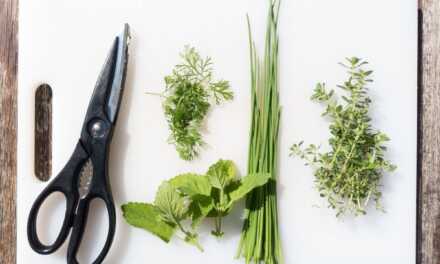
Try adding salt or lemon to the water just before boiling. You can also add herbs such as sliced garlic, sprigs of rosemary, or lemongrass to the water.
You’ll get a hint of flavor, though less than if you applied the herbs directly to the food. Just keep in mind that experimenting in this way may change the time needed to reach a boil, which can impact the overall cooking time.
- Ensure a Tight Seal
For your food to cook properly with a steamer basket, the steam must actually reach the food. If you have a poorly fitted lid, you may notice steam escaping, which could affect how your food cooks.
- Steamed Broccoli
In most cases, this will simply be an inconvenience that lengthens the process or slightly alters the taste of the food. However, in more complicated cases, such as when cooking chicken, you could end up with undercooked food.
A meat thermometer is the best way to avoid serving improperly prepared food. If you are using a stovetop steamer basket, a loose fit may sometimes occur. If you notice this, try adding a kitchen towel between the top of the steamer and the lid.
If your electric steamer has a loose lid, avoid using that particular unit.
- Prepare Food Before Steaming
Another way to create a delicious steamed meal is to prepare your food before committing to the cooking process. For vegetables, you might want to add herbs, spices, or garlic to the mix.
Instead of simply sprinkling herbs into the pot, toss the vegetables in a bowl with olive oil and mixed herbs beforehand. You can also sauté garlic in olive oil and add it to the vegetables at the end.
This technique can also be used when preparing chicken or even fish. This way, you can let your chicken simmer for a shorter cooking time.
Takeaways on the Steamer Basket
Steaming is a simple way to cook, especially once you know how to use a steamer basket. Like any new appliance, it may take some experimentation to learn.
However, once you master it, you’ll be able to prepare a bowl of flavorful vegetables or a juicy chicken breast with ease, all while preserving the full nutritional profile of your food.