











10 Common Cooking Mistakes and How to Avoid Them

Cooking is an art that requires not only creativity and passion but also a keen attention to detail and technique. Even the most seasoned chefs can make mistakes, but learning to avoid these common pitfalls can significantly enhance your culinary skills. Whether you’re an aspiring home cook or someone looking to sharpen your kitchen prowess, being aware of these mistakes will help you create delicious meals every time.
1. Not Reading the Recipe Carefully
One of the biggest mistakes home cooks make is diving into a recipe without thoroughly reading it first. This oversight can lead to missing crucial ingredients, incorrect measurements, or misunderstandings of key steps, which can derail the entire cooking process.
How to Avoid It:
- Read the entire recipe at least once before starting: Familiarizing yourself with the recipe from start to finish will give you a clear idea of what to expect.
- Gather and measure all ingredients beforehand: This practice, often referred to as “mise en place,” ensures that you have everything you need within reach, making the cooking process smoother.
- Understand the sequence of steps: Knowing the order of operations can help prevent surprises mid-recipe, allowing for a more fluid cooking experience.
2. Using the Wrong Knife
Using an inappropriate knife for the task at hand can not only slow you down but also pose safety hazards in the kitchen. Different knives are designed for specific tasks, and using the right one can make a world of difference.
How to Avoid It:
- Invest in a good chef’s knife: This versatile knife can handle most cutting tasks, making it an essential tool in your kitchen.
- Use a serrated knife for bread and soft vegetables: A serrated knife can easily slice through crusty bread without squishing it, as well as tackle tomatoes and other soft produce.
- Keep knives sharp: A sharp knife is safer and more effective than a dull one, reducing the likelihood of slips and accidents.
3. Overcrowding the Pan
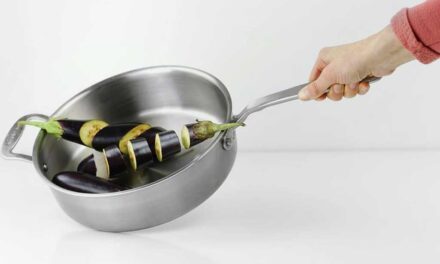
When too many ingredients are crammed into a pan, they tend to steam rather than sear. This can lead to soggy food that lacks the desired texture and flavor.
How to Avoid It:
- Cook in batches: If you have a lot of ingredients, it’s better to cook them separately to ensure each piece gets the heat and space it needs to develop flavor.
- Ensure enough space for proper heat circulation: This will allow for even cooking and browning, resulting in a more appealing dish.
4. Not Preheating the Pan
Starting with a cold pan can cause food to stick and cook unevenly, which can ruin your dish. Properly preheating your pan is essential for achieving the best results.
How to Avoid It:
- Preheat your pan: Allow your pan to heat up before adding oil or ingredients. This can help create a non-stick surface and promote even cooking.
- Use medium-high heat for most searing tasks: This temperature is often ideal for browning meats and vegetables, enhancing their flavors.
5. Overcooking or Undercooking Meat
Cooking meat to the right level is crucial for flavor and texture. Guessing when it’s done can lead to dry, tough, or even dangerously undercooked food.
How to Avoid It:
- Use a meat thermometer: This tool takes the guesswork out of cooking meat. Aim for specific internal temperatures based on the type of meat you’re preparing.
- Let meat rest after cooking: Allowing meat to rest for a few minutes helps retain its juices, resulting in a more succulent dish.
6. Not Tasting as You Cook
Relying solely on measurements without tasting during the cooking process can lead to bland or overly salty food. Seasoning is often an art that requires adjustments as you go.
How to Avoid It:
- Taste your dish throughout the cooking process: This will help you identify what it needs and allows you to adjust flavors accordingly.
- Adjust seasoning gradually: Start with small amounts and build up to avoid overwhelming the dish with salt or spices.
7. Using Dull Knives
Dull knives make chopping inefficient and can be dangerous. A dull blade requires more force, increasing the risk of slipping and injuring yourself.
How to Avoid It:
- Regularly sharpen your knives: Keeping your knives sharp is crucial for safe and efficient cooking.
- Use a honing steel: This tool helps maintain the blade’s edge between sharpenings, ensuring peak performance.
8. Cooking Pasta in Too Little Water
Using too little water to cook pasta can lead to sticky, unevenly cooked noodles. Proper water-to-pasta ratios are essential for achieving the perfect texture.
How to Avoid It:
- Use a large pot with plenty of water: This allows the pasta to move freely and cook evenly.
- Salt the water generously: Salting the water enhances the flavor of the pasta, making a significant difference in the overall taste of your dish.
9. Not Letting Meat Rest
Cutting into meat immediately after cooking causes juices to escape, leading to dryness. Resting meat allows the juices to redistribute throughout the meat, enhancing its flavor and moisture.
How to Avoid It:
- Let meat rest for 5-10 minutes: This simple step can make a significant difference in the final outcome of your dish.
- Tent with foil: Covering the meat loosely with foil can keep it warm without causing it to steam.
10. Measuring Ingredients Incorrectly
Incorrect measurements can ruin a dish, especially in baking, where precision is key.
How to Avoid It:
- Use proper measuring cups: Invest in both dry and liquid measuring cups to ensure accuracy.
- Level off dry ingredients: Use a knife to level off dry ingredients for more precise measurements, preventing any guesswork.
Avoiding these common mistakes will not only elevate your cooking skills but also lead to better results in the kitchen. Remember, cooking is a journey, and even experienced chefs are always learning. Happy cooking! Embrace the art of cooking with these tips and watch your culinary creations transform into delightful meals that you and your loved ones will enjoy.