









Essential Knife Skills Every Home Cook Should Know
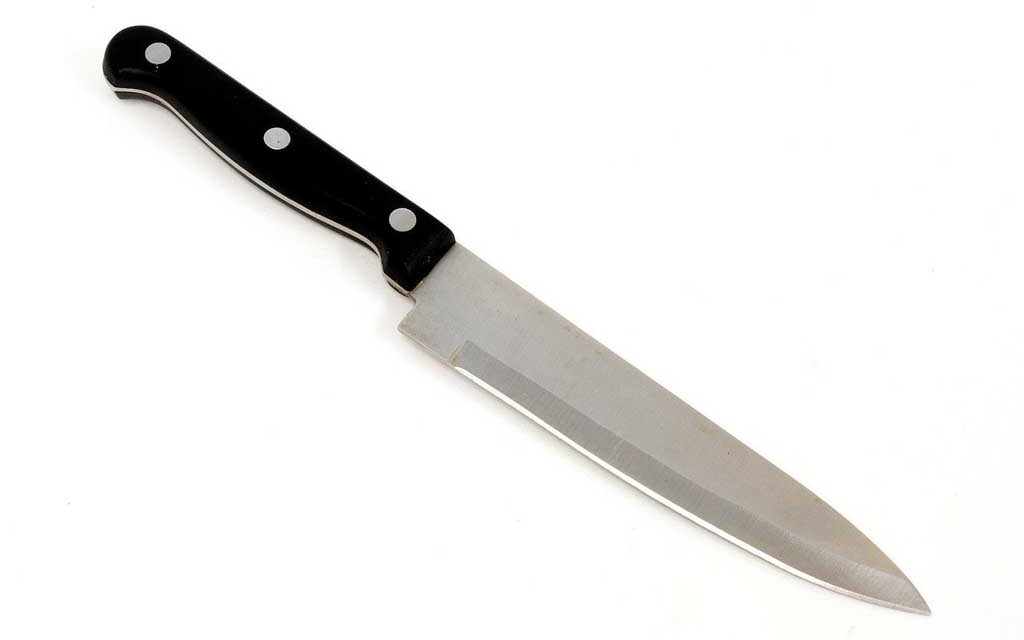
Mastering knife skills is one of the most valuable things you can do to elevate your cooking game. Proper knife techniques not only make food preparation faster and easier, but they also improve safety in the kitchen and ensure that your ingredients cook evenly. Whether you’re a beginner or looking to brush up on the basics, these essential knife skills will help you feel more confident in the kitchen.
1. Choosing the Right Knife
Before diving into techniques, it’s crucial to understand which knife to use for each task. The right knife can significantly enhance your efficiency and precision in food preparation. Here are some commonly used knives and their specific purposes:
- Chef’s Knife: This is perhaps the most versatile kitchen tool. Typically 8 to 10 inches long, it is ideal for chopping, slicing, dicing, and mincing a wide range of ingredients, from vegetables to proteins.
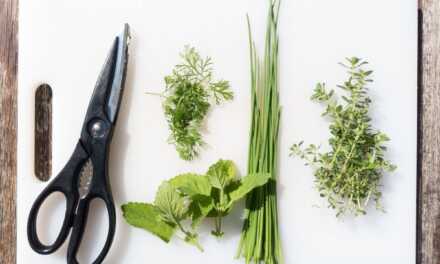
- Paring Knife: With a blade length of about 3 to 4 inches, this knife is best suited for smaller, intricate tasks like peeling fruits, deveining shrimp, and trimming herbs.
- Serrated Knife: Also known as a bread knife, this tool features a scalloped edge that makes it perfect for slicing bread, tomatoes, and other foods with a tough exterior and soft interior.
- Fillet Knife: A flexible, thin blade ideal for filleting fish, allowing you to navigate around bones effectively.
- Cleaver: With a heavy, broad blade, this knife is used for chopping through bones and tough cuts of meat.
2. Proper Grip
The way you hold your knife affects both control and safety. A proper grip can make a significant difference in your cutting technique and overall comfort. Use the following grip techniques for optimal results:
- Pinch Grip: Pinch the blade of the knife between your thumb and index finger while wrapping the remaining fingers around the handle. This grip provides better control and stability, especially when working with larger ingredients.
- Handle Grip: This grip involves holding the handle firmly with all fingers. While it’s easier for beginners, it provides less control than the pinch grip, making it less suitable for precise cuts.
- Thumb and Index Finger Grip: For more delicate work, you can use your thumb and index finger to hold the blade while the rest of your fingers grip the handle. This grip gives you additional precision when performing intricate cuts.
3. Basic Cutting Techniques
These fundamental cuts form the foundation of many recipes. Mastering these techniques will not only increase your speed but also improve your meal presentation:
- Chopping: This involves cutting food into uniform, medium-sized pieces. It’s commonly used for vegetables and herbs. Consistent size helps ensure even cooking.
- Slicing: Slicing creates thin, even pieces. This technique is essential for meats, fruits, and vegetables, enhancing the visual appeal of your dishes.
- Dicing: Dicing involves cutting food into small, cube-shaped pieces. It’s commonly used for ingredients like onions, carrots, and bell peppers, allowing for quick cooking and even flavor distribution.
- Mincing: This is a technique for very fine chopping. It’s often used for garlic, onions, and herbs, allowing their flavors to be evenly distributed in your dishes.
- Julienne: Cutting food into thin, matchstick-like strips is known as julienne. This technique is often used for salads and stir-fries, adding texture and aesthetic appeal to your meals.
4. Knife Safety Tips
Practicing good knife safety can prevent accidents in the kitchen and create a safer cooking environment. Here are some essential tips to keep in mind:
- Always cut on a stable surface: Use a cutting board that doesn’t slip. Placing a damp towel underneath can help stabilize it and prevent accidents.
- Keep your knives sharp: A dull knife requires more force, which increases the risk of slipping and injury. Regularly honing your knives can help maintain their sharpness.
- Pay attention: Focus on your task and keep distractions at a minimum while using a knife. Avoid multitasking when dealing with sharp objects.
- Use the “claw grip” for your non-cutting hand: Curl your fingers inward and keep them tucked to protect them while holding food in place. This grip not only safeguards your fingers but also provides stability to the food being cut.
- Never try to catch a falling knife: If you drop a knife, step back and let it fall. Attempting to catch it can lead to serious injuries.
5. Maintaining Your Knives
Proper care extends the life of your knives and keeps them functioning optimally. Here are some maintenance tips to ensure your knives remain in top condition:
- Hand wash your knives: Avoid the dishwasher, as it can dull and damage the blades. Instead, wash them by hand with warm, soapy water.
- Dry immediately: Prevent rusting by drying knives right after washing. Moisture can lead to corrosion, which can compromise the blade’s integrity.
- Store safely: Use a knife block, magnetic strip, or blade guards to store knives securely. This prevents damage to the blades and reduces the risk of accidents.
- Regularly hone and sharpen: Use a honing steel to maintain the edge of your knife. It’s advisable to have your knives professionally sharpened every few months, depending on usage.
- Check for damages: Regularly inspect your knives for any chips or cracks in the blade. If you notice any, it’s best to address them immediately to avoid further damage.
Final Thoughts
Developing strong knife skills is an essential step for any home cook looking to improve their efficiency and confidence in the kitchen. By practicing proper grip, mastering basic cuts, and following safety guidelines, you’ll make meal preparation more enjoyable and precise. Remember, the more you practice, the more comfortable you will become with your tools. Don’t forget to take care of your knives—after all, a well-maintained knife is your best ally in the kitchen. Happy cooking! With these tips in mind, you are now well-equipped to take on any culinary challenge with finesse and confidence. Embrace the art of knife skills, and watch your cooking evolve!