

















A Deep Dive into the Iconic Japanese Ramen Bowl
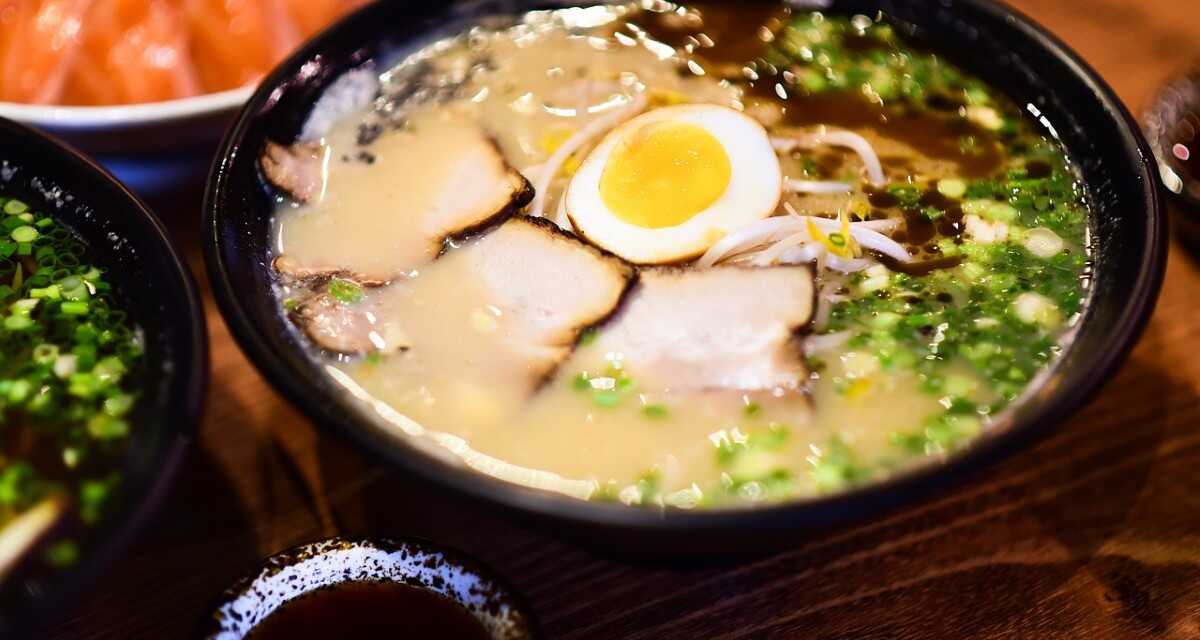
Ramen is more than just a bowl of noodles—it is a cultural icon, a culinary masterpiece, and a dish with a rich history. From its origins in China to its transformation into a beloved Japanese staple, ramen has captivated food lovers worldwide. Let’s take a closer look at what makes a bowl of ramen so special, exploring its origins, components, regional varieties, cultural significance, and global influence.
The Origins of Ramen
Ramen’s roots can be traced back to Chinese wheat noodles, which were introduced to Japan in the late 19th or early 20th century. The history of ramen is a fascinating narrative that shows how cultural exchanges can result in culinary innovation. Initially, these noodles were simply served with broth and various toppings, but over time, Japanese chefs adapted these noodles, developing their own unique broths and styles that led to the diverse ramen variations we know today.
The first documented mention of ramen in Japan was in the early 1900s, where it was referred to as “shina soba,” meaning “Chinese soba.” This term reflects the dish’s origins, but as it gained popularity, the name evolved. By the mid-20th century, ramen had transformed into a deeply ingrained part of Japanese food culture. The post-World War II era saw a surge in ramen consumption, as it became a popular and affordable meal for the masses.
In addition to its historical roots, one of the key factors contributing to ramen’s popularity in Japan was the emergence of ramen shops, known as “ramen-ya.” These establishments began popping up in cities and towns across the country, each offering their own unique take on the dish. The rise of instant ramen in the 1950s, invented by Momofuku Ando, further cemented ramen’s status as a staple food, making it accessible to people around the globe and spawning countless variations.
Key Components of a Ramen Bowl
Every bowl of ramen consists of several essential elements that come together to create a symphony of flavors and textures:
1. Broth
The broth is the soul of ramen, and its preparation can be a labor of love. There are several primary styles of ramen broth, each with its own unique characteristics:
- Shoyu: A soy sauce-based broth that is savory and slightly salty. This is one of the most common styles and has a well-balanced umami flavor, often enhanced with ingredients like ginger, garlic, or green onions.
- Miso: A fermented soybean paste broth with a rich, umami-packed flavor. This style originated in Hokkaido and is known for its deep, earthy taste, often featuring a hint of sweetness from corn or butter.
- Shio: A lighter, salt-based broth that highlights the natural flavors of the ingredients. It is considered one of the oldest styles of ramen broth and is often clear and aromatic.
- Tonkotsu: A creamy pork bone broth that is rich and hearty. This style originates from Fukuoka and is known for its thick, milky consistency, achieved by boiling pork bones for hours to extract maximum flavor and nutrients.
2. Noodles
Ramen noodles vary in thickness, texture, and curliness, depending on the style of ramen and the region from which it originates. The choice of noodles can significantly affect the overall dining experience:
- Thin, straight noodles are common in tonkotsu ramen, as they absorb the creamy broth efficiently, creating a delightful balance.
- Curly noodles are often found in shoyu ramen, helping to hold onto the broth and deliver more flavor with each bite.
- Some regions use thick and chewy noodles, such as in miso ramen, which provide a satisfying bite and a hearty feel that complements the rich broth.
- Gluten content and the alkaline water used in noodle production also play a role in the texture, contributing to the overall experience.
3. Toppings
Toppings are what elevate a bowl of ramen from good to great. They add layers of flavor, texture, and color:
- Chashu: Braised pork belly or shoulder, adding a savory and tender bite that melts in your mouth. The preparation often involves slow-cooking the meat in a mixture of soy sauce, sake, and sugar.
- Ajitsuke Tamago: Soft-boiled eggs marinated in soy sauce for extra flavor. The yolk is usually creamy and slightly runny, enhancing the richness of the broth.
- Menma: Seasoned bamboo shoots that provide a crunchy texture and a hint of sweetness, often adding depth to the overall flavor profile.
- Nori: Dried seaweed that adds a subtle umami taste and a touch of oceanic flavor, often used as a garnish.
- Scallions: Fresh green onions that give a refreshing contrast to the rich broth, adding a pop of color and a hint of sharpness.
- Kikurage: Wood ear mushrooms that add a chewy texture and earthy flavor, often enhancing the umami experience.
- Butter and Corn: A specialty in Sapporo-style miso ramen that enhances the creamy and sweet flavors, often providing a delightful contrast to the savory broth.
Regional Ramen Varieties
Japan is home to many regional ramen styles, each with its own distinct characteristics that reflect local ingredients and culinary traditions. Exploring these varieties is a delightful journey through the flavors of Japan:
- Tokyo Ramen: Typically features a shoyu-based broth with curly noodles. This style often has a clear, light broth that is aromatic and layered with flavors from various ingredients, including fish and vegetables.
- Hakata Ramen: Famous for its tonkotsu broth and thin, straight noodles. This style is often served with extra firm noodles and topped with green onions and sesame seeds, providing a rich and satisfying bowl.
- Sapporo Ramen: Known for its miso-based ramen, often topped with butter, corn, and bean sprouts to enhance its flavor. This style is hearty and warming, ideal for the colder climate of Hokkaido.
- Kitakata Ramen: Recognized for its shoyu broth and thick, wavy noodles, commonly enjoyed in the Fukushima region. The broth is typically rich and flavorful, making it a beloved local specialty.
- Tsukemen: A dipping-style ramen where noodles are served separately from the broth, allowing diners to dip the noodles into a concentrated, flavorful sauce. This method enhances the noodle texture and provides a unique eating experience.
- Onomichi Ramen: Features a shoyu-based broth with added pork back fat for a unique and rich texture. This style often includes a touch of seafood flavor, reflecting the coastal location of Onomichi.
Each regional style of ramen not only showcases local ingredients but also tells a story of the community and its culinary history.
The Cultural Significance of Ramen
Ramen has become an integral part of Japanese culture, with ramen shops found in every corner of the country. From quick bowls served at train stations to high-end gourmet ramen restaurants, this dish is enjoyed by people from all walks of life. The rise of instant ramen has also made it a global sensation, bringing Japanese flavors to households worldwide.
Japan even has a ramen museum, the Shin-Yokohama Ramen Museum, where visitors can explore the history of ramen and sample different styles from various regions. The museum offers a unique interactive experience, allowing guests to try their hand at making ramen or learn about the history of this beloved dish through engaging exhibits.
Additionally, ramen festivals are held throughout Japan, celebrating the dish’s diversity and innovation. These festivals showcase regional specialties and allow chefs and ramen enthusiasts to come together, sharing their passion for this culinary art. They often feature competitions, tastings, and workshops, creating an immersive environment for both locals and tourists.
Ramen has also transcended its status as just food; it has become a symbol of comfort and nostalgia for many. For students and young adults, a bowl of ramen can evoke memories of late-night study sessions, quick meals during busy days, or even family gatherings. In this way, ramen is not just a dish but a representation of shared experiences and cultural identity.
How Ramen Has Influenced Global Cuisine
While ramen is deeply rooted in Japanese culture, it has also made a significant impact worldwide. Many countries have embraced ramen and developed their own unique takes on the dish. In the United States, for example, fusion ramen dishes incorporate local ingredients such as bacon, cheese, and even truffle oil, creating innovative and exciting variations that cater to diverse palates.
In Korea, ramyun (Korean-style instant ramen) is a staple comfort food, often enjoyed with kimchi, eggs, and various toppings that enhance its flavor. The Korean version of ramen has garnered a cult following, thanks in part to its spiciness and depth of flavor. Korean chefs have also started to experiment with traditional ramen, creating unique dishes that blend both Japanese and Korean culinary techniques.
The popularity of ramen has led to a surge in specialty ramen restaurants outside Japan, with many chefs experimenting with broth flavors, toppings, and noodles to create new and exciting variations. Cities around the world, from New York to London to Melbourne, now boast vibrant ramen scenes, with chefs pushing the boundaries of what ramen can be.
Social media has played a significant role in ramen’s global reach, with food bloggers and influencers sharing their ramen experiences online. Platforms like Instagram and TikTok have allowed ramen enthusiasts to showcase visually stunning bowls of ramen, inspiring others to seek out new ramen experiences or try making their own at home.
Conclusion
The Japanese ramen bowl is a perfect harmony of flavors, textures, and traditions. Whether you enjoy a classic bowl of tonkotsu ramen or prefer a spicy miso variation, there’s a ramen for every palate. Exploring the world of ramen is a delicious journey, and with so many styles to try, the adventure never ends.
Next time you enjoy a steaming bowl of ramen, take a moment to appreciate the craftsmanship and history behind every bite. As you savor the rich broth, the chewy noodles, and the carefully selected toppings, remember that you are partaking in a culinary tradition that has evolved over centuries, bringing together flavors, stories, and cultures from around the world. Ramen is not just food; it is a celebration of creativity, community, and the universal love of a good meal.