






















How Veganism is Influencing Global Culinary Traditions?
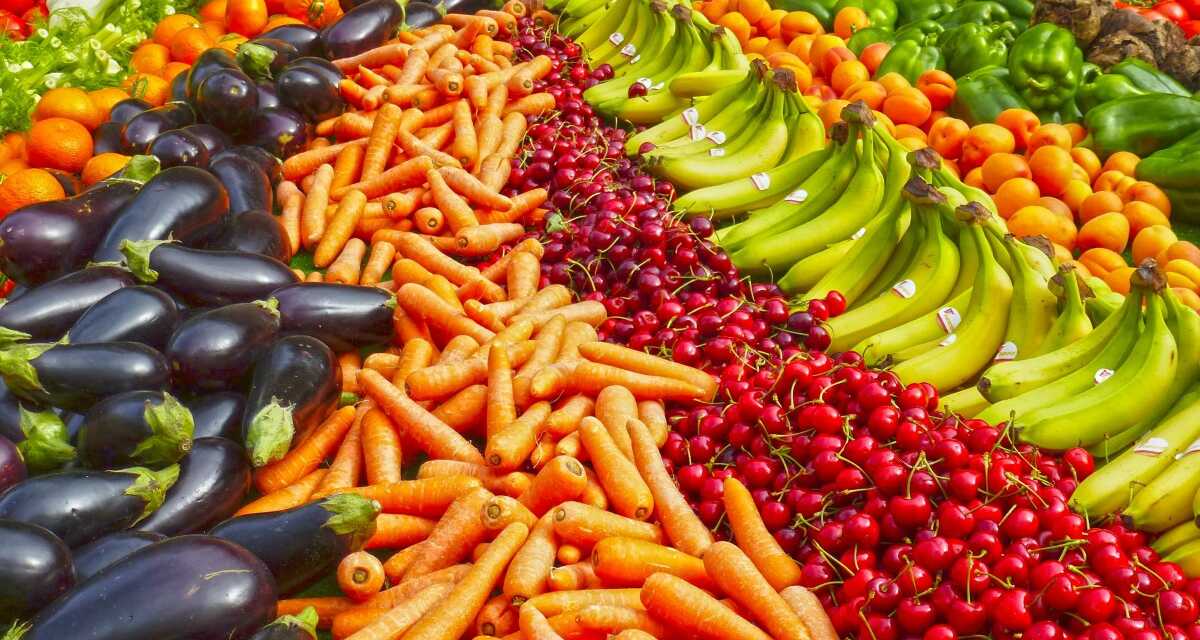
Veganism is more than just a diet; it is a movement reshaping food culture worldwide. Over the past few years, the concept of plant-based eating has gained significant popularity, leading to a seismic shift in how we view food across different cultures. Traditional cuisines are now adapting to meet the rising demand for vegan options, reflecting a growing awareness of health, environmental sustainability, and animal welfare. From Asia to Europe, chefs, home cooks, and food enthusiasts alike are reimagining classic dishes without animal products. In this post, we will explore how veganism is leaving an indelible mark on global culinary traditions, the rise of plant-based ingredients, innovative cooking techniques, and the impact on the food industry.
Vegan Versions of Traditional Dishes
Many traditional recipes have been transformed with plant-based alternatives while maintaining their cultural essence. This transformation is not just about replacing meat with vegetables; it’s about creating dishes that resonate with the flavors and textures that people love. Here are some notable examples of how various cuisines have embraced veganism:
- Italian Cuisine: Italy is known for its rich culinary heritage, and classic pasta dishes like Carbonara and Bolognese have now found their plant-based counterparts. Chefs are using plant-based cheeses made from nuts, as well as meat substitutes derived from soy, mushrooms, or legumes, to recreate these beloved dishes. Even pizza is evolving, with cashew-based cheese and vegetable-based sausage toppings becoming popular choices among vegan diners. This adaptation demonstrates that Italian cuisine can maintain its heartiness and flavor without compromising on dietary choices.
- Japanese Cuisine: Sushi, traditionally prepared with fish, has evolved to include vibrant ingredients such as avocado, tofu, and jackfruit, making it accessible to those avoiding animal products. Ramen broth, which is often made with pork or fish stock, is now crafted using rich, flavorful bases like miso, seaweed, and mushroom broths. This evolution allows vegans to enjoy the umami-rich flavors of Japanese cuisine without the use of animal-derived ingredients.
- Mexican Cuisine: Mexican food has also seen a surge in vegan options, with tacos and tamales using jackfruit, mushrooms, and lentils as substitutes for beef or pork. These ingredients not only mimic the texture of meat but also add unique flavors that enhance the overall dish. Additionally, dairy-free cheeses and creams are making plant-based Mexican food more authentic and flavorful, ensuring that traditional recipes can be enjoyed by everyone.
- Indian Cuisine: Many Indian dishes are already vegetarian, but the rise of veganism has led to the creation of vegan versions that exclude ghee and paneer. Coconut oil and tofu are often used as replacements, while vegan butter chicken made with a cashew-based sauce and soy protein is becoming increasingly popular. This adaptation highlights the versatility of Indian cuisine and its ability to cater to a wider audience.
- Middle Eastern Cuisine: Middle Eastern staples like falafel, hummus, and tabbouleh have long been plant-based, but even traditional kebabs are being reimagined. Chefs are using lentils, chickpeas, and grilled vegetables to create kebabs that maintain the essence of the dish while being entirely plant-based. This approach not only preserves cultural authenticity but also opens up the cuisine to new possibilities.
Rise of Plant-Based Ingredients
As veganism continues to gain traction, global markets have embraced a wide range of plant-based alternatives, making it easier for different cultures to adapt their traditional meals. The increasing availability of diverse ingredients has played a significant role in this culinary evolution. Here are some popular plant-based ingredients that are now staples in vegan cooking:
- Jackfruit: Known for its fibrous texture, jackfruit is used as a meat substitute in a variety of dishes, including curries, tacos, and BBQ dishes. Its ability to absorb flavors makes it an excellent choice for recreating meaty textures in vegan cuisine.
- Tofu and Tempeh: These soy-based products are essential protein sources in both Asian and Western cuisines. They are commonly used to replace chicken, beef, or eggs in numerous dishes, offering versatility and health benefits.
- Legumes and Beans: Lentils, chickpeas, and black beans are not only nutrient-rich but also serve as fantastic meat replacements in stews, soups, and burgers. They provide a hearty texture and a rich source of protein, making them a staple in vegan diets.
- Cashew and Almond-Based Products: These nuts are used for making vegan cheeses, creams, and sauces, providing a creamy texture without dairy. Their rich flavor profiles can elevate many dishes, making them a favorite among plant-based chefs.
- Seaweed and Mushrooms: These ingredients offer umami flavors that mimic seafood and meat, making them essential in vegan cooking. Seaweed adds a briny depth to dishes, while mushrooms contribute earthiness and complexity.
Innovative Cooking Techniques
To replicate the textures and flavors of traditional animal-based dishes, chefs worldwide are employing creative cooking methods. These innovative techniques not only enhance the taste of plant-based dishes but also create a sensory experience that rivals their non-vegan counterparts. Here are some noteworthy cooking techniques being used in vegan cuisine:
- Fermentation: This ancient technique creates depth of flavor in vegan cheeses, kimchi, miso, and soy-based products. Fermentation enhances the umami profile of ingredients, making them more complex and satisfying.
- Smoking: Smoking adds a rich, savory taste to plant-based meats and tofu, enhancing depth of flavor. This method can transform simple ingredients into gourmet dishes, allowing for a more satisfying culinary experience.
- Slow Cooking: This technique enhances the texture of jackfruit, lentils, and mushrooms, making them more meat-like. Slow cooking allows flavors to meld and develop, resulting in hearty, comforting dishes.
- Foaming and Emulsification: These techniques are used to create vegan aioli, butter, and desserts that mimic traditional dairy products. By using aquafaba (the liquid from canned chickpeas) and plant-based oils, chefs can achieve the creamy textures and rich flavors that we associate with dairy.
Impact on Global Food Industry
The food industry has embraced veganism with open arms, recognizing the growing demand for plant-based options. This shift is not just a trend; it’s a reflection of changing consumer preferences and values. Here are some ways in which the food industry is adapting to this new landscape:
- Vegan Restaurants: Dedicated plant-based eateries are opening in major cities worldwide, featuring both fusion and traditional dishes. These establishments cater to a diverse clientele, showcasing the versatility of vegan cooking and attracting both vegans and non-vegans alike.
- Supermarkets: An increasing number of plant-based alternatives are appearing on supermarket shelves, ranging from dairy-free milk to plant-based meats. This availability has made it easier for consumers to choose vegan options, further normalizing plant-based eating.
- Fast Food Chains: Major brands are now offering vegan burgers, pizzas, and even desserts, catering to the growing demand for quick and accessible plant-based meals. This shift demonstrates that veganism is becoming mainstream, appealing to a broader audience.
- Food Tourism: Travelers are increasingly seeking vegan-friendly destinations, influencing culinary experiences worldwide. This trend encourages local restaurants and markets to adapt their offerings, creating a more inclusive food culture.
Challenges and Future of Vegan Cuisine
Despite its growing popularity, vegan cuisine faces several challenges that must be addressed for it to become truly mainstream. Cultural resistance remains a significant hurdle, as many people are deeply rooted in traditional diets that include animal products. Additionally, accessibility to quality plant-based ingredients can vary greatly depending on location, making it difficult for some to adopt a vegan lifestyle. Affordability is another concern, as specialty vegan products can often be more expensive than their conventional counterparts.
However, advancements in food technology, greater awareness of the benefits of plant-based eating, and a growing number of vegan advocates are making plant-based diets more accessible than ever. As the demand for vegan options continues to rise, we can expect to see further innovation in food production and preparation methods.
Looking forward, veganism will likely continue to shape culinary traditions around the globe. As more regions adapt and innovate their cuisine to accommodate plant-based lifestyles, we will witness a rich tapestry of flavors and dishes emerging from this movement. Sustainability concerns and ethical food choices will be at the forefront, driving demand for vegan options and ensuring delicious, ethical, and nutritious food for future generations.
Conclusion
Veganism is reshaping culinary traditions, offering new flavors, techniques, and ingredients while preserving cultural authenticity. As plant-based eating continues to rise, the world’s cuisines will keep innovating, making veganism a lasting and significant influence on global food culture. This evolution not only reflects changing dietary preferences but also highlights a collective shift towards more sustainable and ethical food choices. The future of vegan cuisine is bright, and as it continues to expand, we can look forward to exploring new tastes and experiences that celebrate the richness of plant-based living.