




















Expert Tips for Cooking Light and Healthy Meals
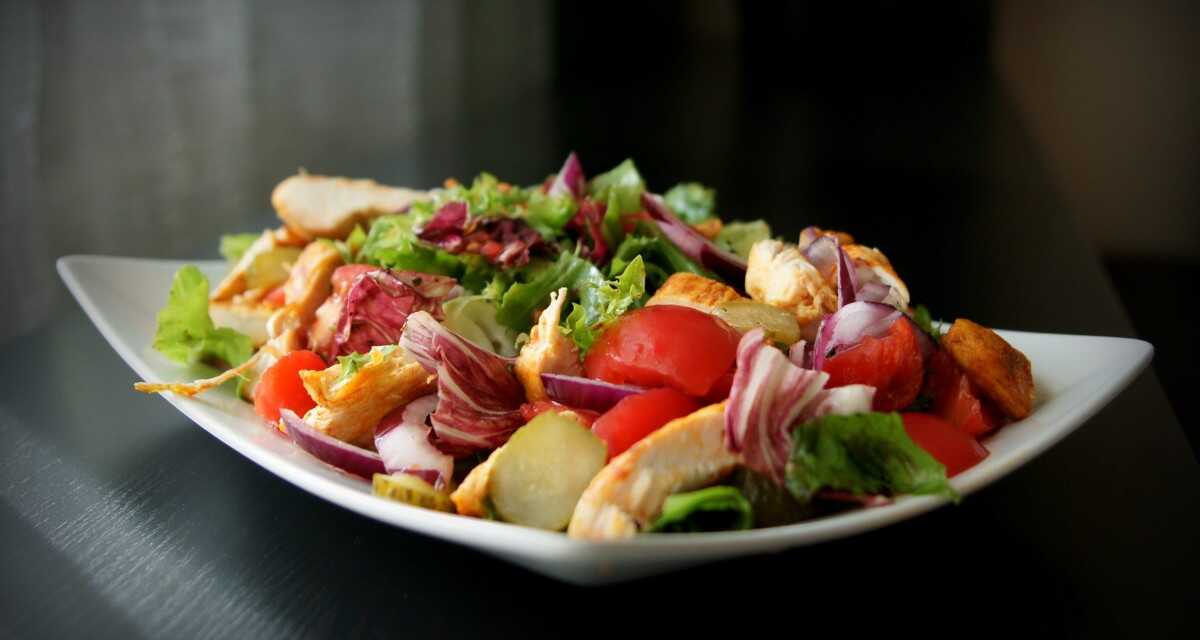
Eating healthy doesn’t mean sacrificing flavor or spending hours in the kitchen. With the right techniques and ingredients, you can prepare light, nutritious meals that satisfy your taste buds while supporting your well-being. Cooking light isn’t just about cutting calories; it’s about making mindful choices that enhance both taste and nutrition. Here are expert tips to help you create healthy dishes effortlessly.
Choose the Right Ingredients
The foundation of any healthy meal is the ingredients you choose. Selecting fresh, wholesome foods ensures that your meals are packed with essential nutrients without unnecessary additives. Here’s a deeper look into some of the best ingredients you can incorporate into your diet:
- Go for lean proteins: Opt for chicken breast, turkey, fish, tofu, or legumes instead of fatty meats. These options provide essential amino acids without excess saturated fat. Incorporating fish rich in omega-3 fatty acids, such as salmon and mackerel, can also promote heart health and support brain function.
- Load up on vegetables: Fresh, colorful vegetables add essential nutrients, fiber, and antioxidants to your meals. Cruciferous vegetables like broccoli, cauliflower, and Brussels sprouts, as well as leafy greens like spinach and kale, are particularly beneficial. Try to incorporate a variety of colors to maximize the health benefits, as different pigments often indicate different nutrients.
- Choose whole grains: Brown rice, quinoa, bulgur, and whole wheat pasta provide more fiber and nutrients than refined grains. They help keep you full longer and stabilize blood sugar levels. Whole grains can also support digestive health and reduce the risk of chronic diseases.
- Use healthy fats: Replace butter with olive oil, avocado, or nuts for heart-healthy fats. These fats are essential for absorbing fat-soluble vitamins and keeping your brain healthy. Foods rich in healthy fats, like avocados and nuts, can also help improve satiety, making you feel fuller for longer.
- Incorporate fruits: Fruits are not only delicious but also provide essential vitamins, minerals, and fiber. Berries, apples, oranges, and bananas are great choices that can be easily added to meals or enjoyed as snacks. They can satisfy your sweet tooth while delivering health benefits.
Cook with Healthy Methods
The way you cook your food affects its nutritional value. Avoid deep frying and choose healthier cooking methods that retain nutrients and reduce unnecessary fats. Here are some effective cooking techniques you might find beneficial:
- Grilling and baking: These methods enhance flavor without adding excess fat. Grilling can also impart a delightful smoky flavor to your foods, making them more appetizing. Baking, especially roasting vegetables, caramelizes their natural sugars, enhancing sweetness and taste.
- Steaming and boiling: Cooking food with minimal water preserves vitamins and minerals that might be lost in high-heat cooking. Steaming vegetables is particularly beneficial as it retains nutrients better than boiling, which can leach vitamins into the cooking water.
- Stir-frying: Use a small amount of healthy oil, such as sesame or avocado oil, to cook vegetables and lean proteins quickly while keeping their nutritional value intact. Stir-frying allows for quick cooking while preserving the crispness and vibrant colors of your ingredients.
- Slow cooking: A slow cooker can be your best friend when it comes to preparing healthy meals with minimal effort. You can combine lean meats, whole grains, and an array of vegetables, allowing flavors to meld beautifully over time without the need for excessive oil or unhealthy additives.
- Raw preparations: Incorporating raw foods into your diet can also provide essential enzymes and nutrients that cooking can destroy. Salads, smoothies, and raw veggie platters can be refreshing and nutrient-dense meals or snacks.
Reduce Unnecessary Calories
Cutting excess calories doesn’t mean reducing portion sizes drastically. Instead, make smart ingredient swaps that allow you to enjoy full flavors with fewer calories. Here are some strategies to consider:
- Use herbs and spices: Reduce salt and sugar by enhancing flavor with garlic, ginger, basil, or cumin. These seasonings add depth to your dishes without the need for unhealthy additives. Experimenting with fresh herbs can elevate a dish from mundane to gourmet.
- Opt for low-fat dairy: Greek yogurt, skim milk, and low-fat cheese are healthier alternatives that still provide calcium and protein. You can also explore plant-based alternatives like almond milk or coconut yogurt for diversity in your diet.
- Be mindful of sauces: Many sauces are high in sugar and fat. Choose tomato-based sauces over creamy ones, or make your own with fresh ingredients. When making salad dressings, try using vinegar, lemon juice, or yogurt as a base to keep the calorie count low while adding flavor.
- Choose natural sweeteners: Instead of refined sugars, consider using natural sweeteners like honey, maple syrup, or agave nectar in moderation. These alternatives can provide sweetness along with some additional nutrients.
- Limit processed foods: Processed foods often contain hidden sugars, unhealthy fats, and preservatives. Focus on whole, minimally processed foods to ensure you’re eating nutrient-dense meals.
Plan and Prepare Meals in Advance
Meal prepping helps you avoid unhealthy food choices and saves time during busy days. Planning ahead ensures that you always have healthy options available. Here’s how to effectively meal prep:
- Batch cook proteins and grains: Prepare large portions and store them for quick meals. You can cook a big batch of quinoa or brown rice and portion it out for various meals throughout the week. This makes healthy eating convenient and accessible.
- Pre-chop vegetables: Keep chopped veggies in the fridge for easy additions to meals. Having them ready reduces the temptation to opt for processed foods. You can create a rainbow of vegetables to toss into salads, stir-fries, or omelets.
- Use portion control: Store meals in single-serving containers to prevent overeating and help maintain balanced portions. Consider using clear containers to see what’s inside, making it easier to grab a nutritious meal on the go.
- Plan your meals: Create a weekly meal plan that includes breakfast, lunch, dinner, and snacks. This helps you stay organized and ensures you have all necessary ingredients on hand. It can also make grocery shopping more efficient.
- Involve the family: Make meal prep a fun family activity. Involving family members can help teach children about healthy eating and cooking, making it a bonding experience.
Stay Hydrated and Listen to Your Body
Drinking enough water and paying attention to hunger signals can prevent overeating and improve digestion. Proper hydration is key to overall health. Here are some tips to ensure you stay hydrated:
- Drink water before meals: This helps control appetite and prevents unnecessary snacking. Sometimes, thirst is mistaken for hunger, so keeping hydrated can help you avoid extra calories.
- Eat mindfully: Chew slowly and savor your food to avoid overeating. Mindful eating helps you appreciate flavors and recognize fullness cues. Try to eliminate distractions like screens during meals to focus on your food.
- Recognize real hunger: Learn to differentiate between hunger and cravings. Eating out of boredom or stress can lead to unhealthy choices. Take a moment to evaluate whether you are truly hungry or if you’re eating for other reasons.
- Infuse your water: If plain water doesn’t appeal to you, try infusing it with fruits like lemon, berries, or cucumber for added flavor and nutrients without the extra calories.
- Carry a water bottle: Keeping a reusable water bottle with you can serve as a reminder to drink more water throughout the day. Aim to drink a sufficient amount daily to stay well-hydrated.
Healthy Snacking Options
Snacking can often lead to excess calorie consumption if not done mindfully. However, healthy snacks can keep your energy levels stable and help you avoid unhealthy choices. Here are some great snack ideas:
- Nut butter and fruit: Pair apple slices or banana with a tablespoon of almond or peanut butter for a satisfying snack rich in protein and healthy fats.
- Vegetable sticks with hummus: Carrot, celery, or cucumber sticks dipped in hummus provide a crunchy, nutrient-dense snack that’s perfect for mid-afternoon cravings.
- Greek yogurt with berries: Greek yogurt topped with fresh berries and a sprinkle of granola creates a delicious and filling snack that offers protein, fiber, and antioxidants.
- Air-popped popcorn: Popcorn can be a great whole-grain snack when prepared without excessive butter or salt. Season it with herbs or nutritional yeast for added flavor.
- Trail mix: Create your own trail mix with nuts, seeds, and dried fruits for a balanced snack that provides healthy fats and natural sweetness.
Cooking Light: A Lifestyle Approach
Cooking light and healthy meals doesn’t have to be complicated. By choosing nutritious ingredients, using healthy cooking techniques, and planning your meals wisely, you can enjoy delicious food while maintaining a balanced diet. Healthy eating is about making consistent, mindful choices that contribute to long-term well-being.
Adopting a lifestyle focused on healthy cooking doesn’t mean you can’t enjoy your favorite dishes. Many traditional recipes can be modified to be healthier by swapping out certain ingredients or altering preparation methods. For example, you might enjoy a creamy pasta dish, but by using whole-grain pasta and a sauce made from pureed vegetables, you can create a lighter version that is just as satisfying.
Start making these small changes today, and you’ll notice a big difference in your health and energy levels. Remember that every positive choice you make contributes to your overall well-being. Enjoy the journey of discovering new flavors and healthy eating habits that will nourish your body and delight your taste buds. As you embrace cooking light, you’ll find that it becomes a rewarding and enjoyable part of your daily routine.