

















Which Sponge Should You Buy?
Choosing the right sponge may seem simple, but with so many options available, it can be surprisingly tricky. Different types of sponges serve different purposes, and selecting the wrong one could make cleaning less effective or even damage surfaces. Some sponges are best for scrubbing tough stains, while others are gentle and suitable for delicate materials. In this guide, we’ll explore the best sponges for various tasks and help you decide which one suits your needs.
Types of Sponges
When it comes to sponges, understanding the variety of types available can greatly enhance your cleaning efforts. Here’s a detailed look at the most common types of sponges and their unique characteristics:
1. Cellulose Sponges
Cellulose sponges are the most common household sponges, made from wood pulp. They are soft, highly absorbent, and ideal for general cleaning tasks such as wiping down counters and dishes. These sponges can hold water and soap exceptionally well, making them efficient for cleaning up spills and food messes.
However, one downside to cellulose sponges is that they can trap bacteria if not properly rinsed and dried after use. To mitigate this issue, it’s essential to rinse them thoroughly after each use and allow them to dry completely. Moreover, cellulose sponges are generally biodegradable, which is a plus for eco-conscious consumers.
2. Abrasive Sponges
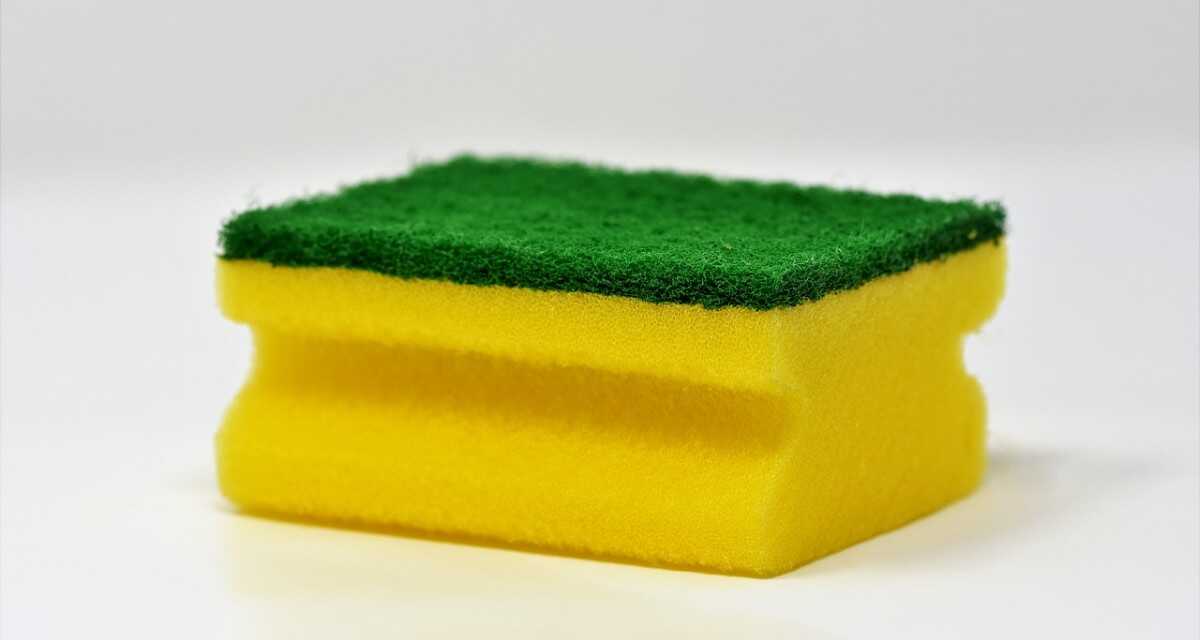
Abrasive sponges are equipped with a rough side that helps scrub away tough stains and food residues. They are particularly well-suited for pots, pans, and other durable surfaces but should be used with caution on delicate materials like non-stick cookware, as they may cause scratches. Many abrasive sponges are infused with cleaning agents that help break down grease and grime, enhancing their effectiveness in tough cleaning situations.
When using abrasive sponges, ensure you’re aware of the surface you’re cleaning. It’s best to test a small area first to avoid any potential damage.
3. Silicone Sponges
Silicone sponges offer a modern alternative to traditional sponges. They are more hygienic because they don’t absorb bacteria or odors. These sponges last longer than their cellulose counterparts and are easy to clean, making them a great choice for eco-conscious consumers.
Unlike cellulose or foam sponges, silicone sponges don’t hold onto soap and water as well, but they are excellent for light dishwashing and surface cleaning. Their non-porous nature means that they resist staining and odors, and they can be sanitized easily, either by boiling or placing them in the dishwasher.
4. Magic Erasers
Magic erasers, made from melamine foam, are excellent for removing stubborn stains from walls, shoes, and even appliances. They work like ultra-fine sandpaper, lifting dirt and marks without the need for harsh chemicals. However, it’s important to note that they can be slightly abrasive, so care should be taken when using them on delicate surfaces.
Magic erasers tend to wear down quickly, which means they are best suited for spot-cleaning rather than everyday use. Their versatility makes them a handy addition to your cleaning arsenal, especially for tough stains that regular sponges may struggle with.
5. Natural Sea Sponges
Natural sea sponges are eco-friendly, biodegradable, and incredibly soft. These sponges are ideal for personal care, such as bathing and facial cleansing, but can also be used for cleaning delicate surfaces. Because they are naturally derived, sea sponges contain enzymes that resist bacteria growth, making them a hygienic option for both personal and household use.
However, natural sea sponges tend to be more expensive than synthetic sponges and require careful maintenance to prolong their lifespan. After each use, they should be rinsed thoroughly and allowed to dry completely to prevent mold and mildew growth.
Which Sponge is Right for You?
The best sponge for you depends on what you need it for. Here’s a quick breakdown to help you choose:
- For dishwashing: Cellulose or abrasive sponges work best for cleaning plates, glasses, and cookware. They effectively remove food particles and grease, ensuring your dishes are spotless.
- For tough stains: Magic erasers are the top choice for removing scuff marks and stains from walls and other surfaces. Their unique material allows for effective cleaning without damaging the surface.
- For hygiene-conscious users: Silicone sponges prevent bacterial growth and are easy to clean, making them ideal for those who prioritize hygiene in their cleaning routine.
- For eco-friendly cleaning: Natural sea sponges are biodegradable and reusable, appealing to individuals who are environmentally conscious.
- For multipurpose use: A combination of cellulose and abrasive sponges covers most household cleaning tasks, providing versatility for various surfaces.
How to Maintain Your Sponge
Regardless of the type of sponge you choose, proper maintenance is key to ensuring longevity and hygiene. Follow these tips to keep your sponges in top condition:
- Rinse thoroughly after use: Always remove food particles and soap to prevent bacterial growth. A quick rinse can make a significant difference in the sponge’s lifespan.
- Disinfect regularly: To kill bacteria, soak sponges in vinegar, microwave them for 30 seconds, or run them through a dishwasher cycle. Each of these methods effectively sanitizes your sponge.
- Allow to dry completely: Bacteria thrive in moist environments, so store sponges in a well-ventilated area. Hanging them or placing them on a drying rack can help with airflow.
- Replace when necessary: Sponges should be replaced every few weeks, depending on usage. If they develop an odor, change texture, or start to break apart, it’s time for a new one.
Additional Tips for Choosing the Best Sponge
Beyond material and function, here are some additional factors to consider when selecting a sponge:
- Size and shape: Larger sponges cover more surface area, while smaller ones are great for precision cleaning. Consider the tasks you perform most frequently to determine the best size for your needs.
- Grip and comfort: Some sponges have ergonomic designs that make cleaning more comfortable and effective. A sponge that fits well in your hand can reduce fatigue during cleaning tasks.
- Durability: Higher-quality sponges last longer and resist tearing or breaking apart with frequent use. Investing in durable sponges can save you money in the long run.
- Eco-friendliness: If sustainability is a priority, look for biodegradable options or sponges made from recycled materials. Eco-friendly sponges often perform just as well as traditional sponges without contributing to landfill waste.
Conclusion
By choosing the right sponge and taking proper care of it, you can make your cleaning routine more effective and hygienic. Whether you prioritize durability, sustainability, or convenience, there’s a perfect sponge out there for you.
Investing in the right sponge can save you time and effort while ensuring that your household remains clean and germ-free. Remember that different cleaning tasks may require different types of sponges, so it’s wise to have a variety on hand.
In summary, understanding the types of sponges available, knowing how to maintain them, and considering additional factors like size, grip, and eco-friendliness will enhance your cleaning experience. The right sponge can not only make your cleaning tasks easier but also contribute to a healthier home environment.
Now that you are equipped with knowledge about various sponges, their uses, and maintenance, go forth and make informed decisions the next time you stock up on cleaning supplies. Happy cleaning!