
















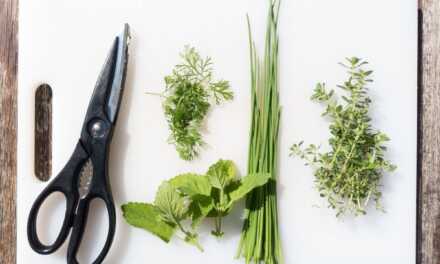





Budget-Friendly Cooking Tips

Eating delicious, healthy meals doesn’t mean spending a fortune. With the right techniques and a bit of planning, you can significantly reduce your grocery bill while still enjoying satisfying food. Below are practical, budget-friendly cooking tips to help you make the most out of your kitchen without draining your wallet.
Shop Smart and Save More
Saving money starts at the grocery store. Being intentional about what and how you shop can make a huge difference over time. Here are some strategies to help you stretch your food budget:
- Plan meals weekly: Planning out your meals for the week helps prevent waste and reduces unnecessary purchases. You’ll know exactly what to buy and avoid overbuying items you won’t use. Consider utilizing a meal planning app or a simple calendar to jot down your meals. This practice not only helps in budgeting but also allows you to explore new recipes and diversify your diet.
- Create and stick to a shopping list: A detailed shopping list keeps you focused and stops impulse buys that can add up quickly. Before heading to the store, review what you already have in your pantry and fridge to tailor your list accordingly. This way, you’re less likely to purchase duplicates or items you don’t need.
- Buy in bulk when it makes sense: Items like rice, flour, dried beans, and pasta are more cost-effective when bought in bulk. Just make sure you have proper storage space to keep them fresh. Bulk bins often allow you to buy only what you need, reducing waste and saving you money.
- Choose generic brands: Store brands often offer the same quality as name brands at a lower price. Compare ingredients and nutrition labels to confirm. Often, the only difference between generic and name-brand products is the packaging, so don’t overlook these cost-saving options.
- Shop seasonal produce: Fruits and vegetables that are in season are not only fresher but also cheaper. Plan your meals around what’s abundant and affordable. For example, in the summer, tomatoes and zucchini are plentiful, while in the fall, squash and apples are often at their peak.
- Use coupons and apps: Digital coupons, store loyalty apps, and cash-back services can shave dollars off your grocery bill every week. Sign up for store newsletters to receive exclusive offers and discounts. Additionally, consider using a budgeting app to track your grocery spending and find better deals.
- Shop at discount stores or farmers’ markets: Many discount retailers offer lower prices on staple items. Farmers’ markets can be great for fresh, affordable produce, especially near closing time when vendors often offer discounts to clear their inventory.
- Buy less meat: Meat is often one of the most expensive items in a cart. Try using it sparingly or substituting it with plant-based proteins. Incorporating beans, lentils, and grains into your meals not only saves money but also provides a wealth of nutrients.
Cook Smarter, Waste Less
Once you’ve stocked your kitchen, it’s time to make the most of what you have. These simple cooking habits help reduce waste, stretch ingredients, and keep your meals budget-friendly:
- Batch cook and freeze: Making meals in large quantities and freezing individual portions saves time and reduces the temptation of ordering takeout on busy days. Consider dedicating a day each week to batch cooking; this way, you’ll have meals ready to go whenever you need them, making it easier to avoid costly dining out.
- Repurpose leftovers: Reinvent your leftovers into entirely new meals. For example, roast chicken can become chicken soup or tacos, while a stir-fry can be transformed into a fried rice dish the next day. Get creative with your leftovers—mix and match ingredients to create new flavors!
- Use scraps and bones: Don’t throw away vegetable peels or meat bones. Use them to make homemade broth or stock for soups and sauces. You can even keep a zip-top bag in your freezer to collect vegetable scraps throughout the week, making it easy to create a rich, hearty broth without any added cost.
- Cook from scratch: Pre-packaged or ready-made foods are convenient but usually more expensive. Cooking from scratch is not only more economical but also healthier. Investing a little extra time in cooking can yield meals that are both nourishing and satisfying.
- Try meatless days: Go vegetarian one or two days a week. Dishes made with lentils, chickpeas, eggs, or tofu are filling and inexpensive. Meatless meals can be packed with flavor and nutrients while offering a break for your wallet.
- Invest in basic kitchen tools: A slow cooker or pressure cooker can make cheap cuts of meat tender and flavorful. A good knife or blender can help you prep ingredients more efficiently. Quality kitchen tools can make cooking more enjoyable and efficient, ultimately saving you time and money.
- Make your own sauces and snacks: Instead of buying premade sauces, dressings, or snacks, make them yourself. It’s often cheaper, and you get to control the ingredients. For instance, homemade salad dressings can be made with just a few pantry staples, and they often taste much better than store-bought versions.
- Don’t overlook frozen produce: Frozen fruits and veggies are just as nutritious as fresh ones, often cheaper, and last much longer, reducing spoilage. They can be used in smoothies, soups, stir-fries, and casseroles, offering you convenience without compromising on nutrition.
Make the Most of Your Ingredients
Maximizing the use of every ingredient in your kitchen is crucial for cooking on a budget. Here are additional strategies that will help you make the most of your ingredients:
- Store food properly: Understanding how to store your food can extend its shelf life. For instance, keep your herbs fresh by placing them in a glass of water in the refrigerator, and store potatoes in a cool, dark place to prevent sprouting. Proper storage can significantly reduce food waste, thereby stretching your grocery budget further.
- Utilize all parts of vegetables: Many people discard parts of vegetables that are actually edible and nutritious. For example, beet greens can be sautéed, broccoli stems can be added to stir-fries, and carrot tops can be used to make pesto. Be resourceful and get creative with how you use your produce!
- Experiment with spices and herbs: Although spices and herbs may seem like an additional expense, they can transform simple dishes into extraordinary meals. Purchase a few basic spices and herbs, and learn how to use them effectively to elevate the flavors of your dishes.
- Plan for snacks: Healthy snacks can often be more economical when prepared at home. Consider making homemade granola bars, popcorn, or veggie sticks with hummus. Preparing snacks can help you avoid costly convenience foods and keep you satisfied between meals.
- Cook in season: Just as you buy seasonal produce, consider cooking meals that align with the seasons. Hearty soups and stews are perfect for winter, while light salads and grilled vegetables shine in summer. Cooking seasonally can often align with budget-friendly choices.
Embrace Leftovers and Creative Cooking
A significant aspect of cooking on a budget is embracing leftovers and being creative in the kitchen. Here are some ideas to help you make the most of what you have:
- Leftover challenges: Turn leftover night into a fun challenge where everyone in the family creates a meal using what’s available in the fridge. This not only reduces food waste but also encourages creativity and collaboration in the kitchen.
- One-pot meals: One-pot meals are a fantastic way to use various ingredients without creating a mountain of dishes to wash afterward. Dishes like casseroles, stews, and stir-fries can incorporate a mix of proteins, grains, and vegetables, making meal prep easy and efficient.
- Freezer meals: Stocking your freezer with pre-prepared meals can be a lifesaver on busy days. Meals like chili, soups, and pasta sauces freeze well and can be reheated quickly, saving you time and money on takeout.
- Homemade pizza night: Instead of ordering pizza, make your own at home. Use leftover vegetables, meats, and cheeses to top your homemade pizza base, and let everyone customize their own. This can be a fun family activity and much cheaper than ordering delivery.
- Soups and stews: These are excellent ways to use up leftover ingredients. Adding a variety of vegetables, beans, and grains to a broth can create hearty and filling meals for minimal cost.
Conclusion: Cooking on a Budget Can Be Delicious
Cooking on a budget doesn’t mean sacrificing flavor or satisfaction. With a little planning, smart shopping, and efficient kitchen habits, you can enjoy nourishing meals that are both delicious and affordable. By incorporating these strategies into your cooking routine, you can create a sustainable and enjoyable food experience without breaking the bank.
Whether you’re cooking for yourself or a family, these tips can help you make the most of your ingredients while keeping your grocery bill in check. Remember that cooking should be a joyful experience, so experiment with new recipes, cuisines, and techniques. The kitchen is a place for creativity, and with every meal, you have the opportunity to explore and enjoy the richness of food.
Happy cooking! Embrace the art of budget-friendly meals, and find joy in every delicious bite you create. With these strategies, you can nourish your body, delight your taste buds, and keep your wallet happy—all at the same time!