










Buying Guide: How To Choose The Best Pressure Cooker?
Pressure cookers are a must-have appliance in any modern kitchen. They help you prepare meals faster and more efficiently, making them a great investment for anyone who wants to save time while cooking. As our lives become increasingly busy, the demand for time-saving kitchen appliances has never been higher. Pressure cookers, with their ability to significantly reduce cooking times, have emerged as essential tools that can transform the way we prepare our meals.
However, with so many pressure cookers on the market, it can be challenging to choose the right one. In this comprehensive buying guide, we will discuss everything you need to know about purchasing a pressure cooker, including different types, key functions and features, pros and cons, and selection criteria. By the end of this guide, you should feel confident in your ability to choose the pressure cooker that best fits your cooking style and lifestyle.
Types of Pressure Cookers
There are two primary types of pressure cookers: electric and stovetop pressure cookers. Each type has its own advantages and disadvantages, and the choice between them often comes down to personal preference and cooking habits.
Stovetop Pressure Cookers
Stovetop pressure cookers are the traditional version and require a stove to operate. They typically heat up faster than electric models, which can lead to quicker cooking times. Here are some key points about stovetop pressure cookers:
– Heat Control: With stovetop models, you have better control over the heat. You can adjust the flame as needed to maintain the appropriate pressure.
– Versatility: They can often reach higher pressures than electric models, allowing for more versatile cooking options.
– Durability: Typically made from stainless steel or aluminum, stovetop pressure cookers are often more durable, and they can last a lifetime with proper care.
Electric Pressure Cookers
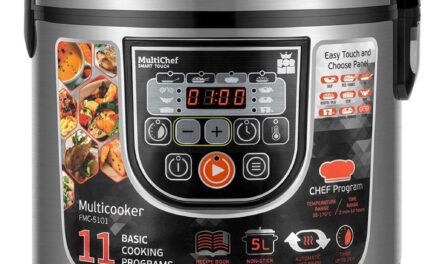
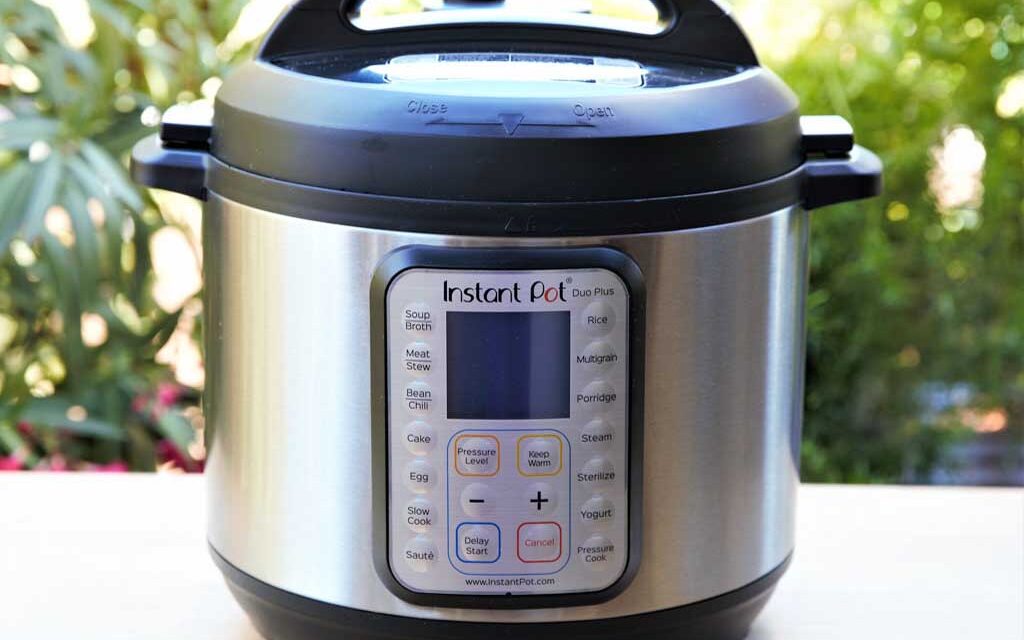
Electric pressure cookers, also known as multi-cookers, have gained popularity in recent years due to their convenience and ease of use. They plug into an electrical outlet and require no supervision during cooking. Here are the benefits of electric pressure cookers:
– Ease of Use: They often come with pre-programmed settings for specific dishes, making them user-friendly for beginners.
– Automatic Features: Most electric pressure cookers have built-in safety features and automatic shut-off functions, adding an extra layer of safety.
– Multi-functional: Many models can also slow cook, steam, sauté, and even make yogurt, making them a versatile addition to any kitchen.
Overall, the choice between a stovetop and an electric pressure cooker depends on your cooking habits, kitchen space, and personal preferences.
Functions and Features
When purchasing a pressure cooker, consider the following functions and features to ensure you select the right one for your needs:
- Capacity: Pressure cookers come in various sizes, typically ranging from 4 quarts to 10 quarts or more. Choose a pressure cooker with the appropriate capacity based on your cooking needs. For large families or batch cooking, a larger capacity may be beneficial.
- Pressure Settings: Different pressure cookers have varying pressure settings, usually measured in pounds per square inch (PSI). Most stovetop models can reach higher PSI than electric ones, making them suitable for a wider range of recipes. Ensure that the pressure cooker you choose has the necessary settings for your favorite dishes.
- Safety Features: Safety is paramount when purchasing a pressure cooker. Look for models equipped with pressure release valves, locking lids, and automatic shut-off features. These safety mechanisms help prevent accidents and ensure a safe cooking experience.
- Material: The material of the pressure cooker affects its performance and durability. Stainless steel models are known for their durability and resistance to corrosion. Aluminum models are lightweight and heat up quickly but may wear out faster. Ceramic pressure cookers offer aesthetic appeal and non-toxic cooking options but may not be as durable as metal models.
- Accessories: Many pressure cookers come with various accessories such as steamer baskets, trivets, and racks. Consider the included accessories and how they can be utilized to expand your cooking possibilities. Some models even include a recipe book to help get you started.
Pros and Cons
Pressure cookers have numerous benefits, making them a valuable addition to any kitchen. However, they also come with some disadvantages that you should consider before making a purchase.
Pros
- Faster Cooking Times: One of the most significant advantages of pressure cookers is their ability to cook food significantly faster than traditional cooking methods. For example, beans that typically take hours to simmer can be cooked in a fraction of the time, making them ideal for busy weeknight dinners.
- Retain Nutrients: Pressure cooking helps retain more vitamins and minerals in food compared to boiling or steaming. The short cooking time and sealed environment prevent nutrients from escaping, resulting in healthier meals.
- Versatility: Pressure cookers can be used to prepare a wide variety of dishes, including stews, soups, grains, meats, and even desserts like cheesecakes and puddings. Their versatility makes them a fantastic tool for creative cooks.
Cons
- Cost: While there are budget-friendly options available, high-quality pressure cookers, especially electric models, can be expensive. It’s essential to balance your budget with the features and benefits you desire.
- Learning Curve: Pressure cooking requires a bit of a learning curve, especially for those who have never used one before. It may take time to become comfortable with the pressure settings, cooking times, and safety features.
- Limited Cooking Space: Although pressure cookers come in various sizes, they still have limited cooking space. This may be challenging if you’re cooking for large families or gatherings, as you may need to cook in batches.
Selection and Purchasing Criteria
When selecting and purchasing a pressure cooker, consider the following criteria to ensure you make an informed decision:
- Budget: Determine your budget before shopping for a pressure cooker. There are models available at various price points, so knowing your budget can help narrow down your options.
- Cooking Needs: Assess your cooking needs and select a pressure cooker with the appropriate capacity and pressure settings. If you cook for a large family or enjoy entertaining, a larger model may be necessary.
- Brand and Reputation: Look for pressure cooker brands with a good reputation and positive customer reviews. Established brands often have a history of producing reliable and high-quality products.
- Warranty: Consider the warranty offered by the manufacturer. A longer warranty may indicate confidence in the product’s durability and performance.
- Ease of Use: Look for pressure cookers that are easy to use and have a user-friendly interface. Features such as digital displays, pre-programmed settings, and clear instruction manuals can enhance the overall cooking experience.
Conclusion
A pressure cooker is an excellent investment for anyone who wants to save time while cooking. With their ability to significantly reduce cooking times while retaining nutrients and enhancing flavors, pressure cookers have become indispensable in many kitchens.
When purchasing a pressure cooker, consider the type, functions, features, pros, and cons discussed in this guide. Evaluate your cooking habits, budget, and the features that are most important to you. Choose a pressure cooker that meets your budget and cooking needs and has a good reputation and warranty.
By keeping these considerations in mind, you can select the right pressure cooker for your kitchen and enjoy fast and delicious meals like never before. Whether you’re whipping up a hearty beef stew, cooking beans from scratch, or preparing a delectable dessert, a pressure cooker will help you achieve impressive results in a fraction of the time. Happy cooking!