











Comprehensive Buying Guide For Forks
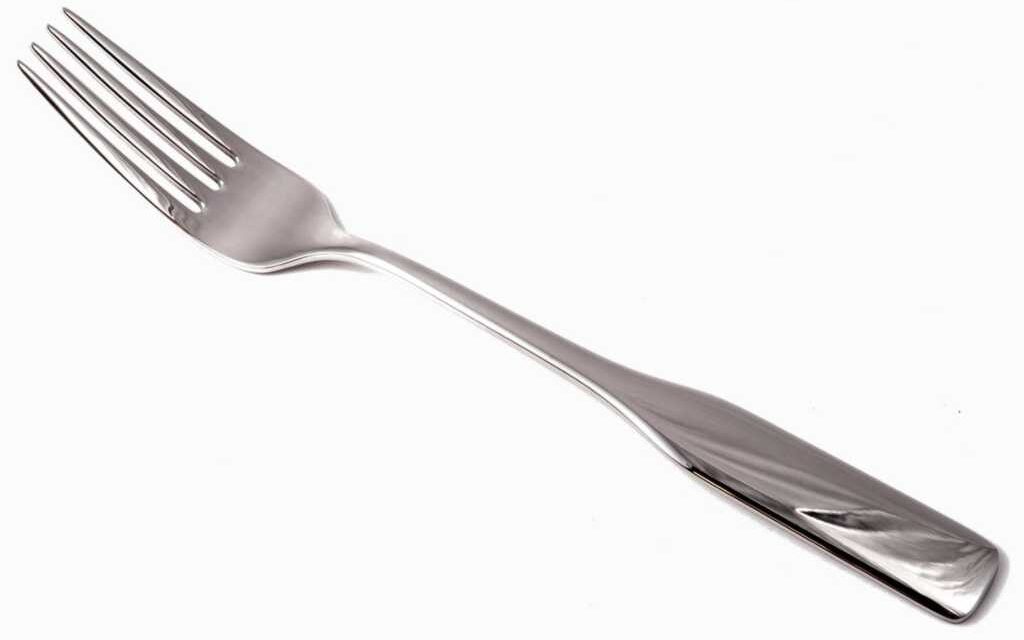
If you’re in the market for a new fork, whether it’s for dining, cooking, or serving, there are several things to consider before making your purchase. A fork is a utensil that we use almost every day, and it’s essential to choose the right one for your needs.
We have published this guide to show you the various features, types, and options available to help you make an informed decision.
Functions and Functionalities
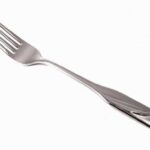
A fork is a type of utensil that has a handle and several prongs or tines at one end. It is used for piercing and holding food while eating or cooking. A fork is an essential kitchen tool that comes in a variety of shapes and sizes, depending on the intended use.
The primary function of a fork is to help us eat our food by spearing and lifting it to our mouths. However, forks can also be used for other functions such as cooking, serving, and carving. Depending on the type of fork, it may be designed to perform a specific function.
In essence, the versatility of a fork allows it to shine in various culinary environments. From enjoying a simple salad to serving a sumptuous roast, forks play a crucial role in the dining experience. Additionally, forks can be used in food preparation; for example, they can help in mashing potatoes or whisking eggs when other tools are not available.
Features and Options
When it comes to choosing the right fork, there are several features and options to consider. Here are some of the most important ones:
- Material: The most common materials for forks are stainless steel, plastic, and wood. Stainless steel is the most durable and long-lasting material, while plastic and wood may be more suitable for certain types of food. Stainless steel forks are not only robust but also resistant to corrosion and rust, making them an ideal choice for long-term use. Plastic forks may be disposable or reusable and are often used for picnics or outdoor events. Wooden forks offer a rustic aesthetic, but may require more care to maintain their integrity.
- Size: Forks come in different sizes, and the length of the handle and the number of tines can vary. The size you choose will depend on the intended use. For example, larger forks are typically used for serving, while smaller forks are ideal for appetizers or desserts.
- Shape: The shape of the fork may vary depending on the intended use. For example, a carving fork will have long tines to hold the meat in place, while a salad fork will have shorter tines and a smaller size. The design of the tines also varies; some may be sharp for piercing meat, while others may be more rounded for softer foods.
- Tines: The number of tines on a fork can vary from two to six. A standard dining fork typically has four tines, while a dessert fork may have three. The spacing and sharpness of the tines can also affect how well the fork performs its function. For instance, widely spaced tines allow for easy lifting of larger food items.
- Handle: The handle of the fork can also vary in shape and size. Some forks have curved handles for a better grip, while others may have straight handles. Ergonomically designed handles can enhance comfort during use, especially during long meals or when serving large portions.
Types and Categories
Forks come in different types and categories, each designed for a specific purpose. Here are some of the most common types and categories of forks to choose from:
- Dining Forks: Dining forks are the most common type of fork used for eating. They usually have four tines and are available in different sizes and shapes. Their versatility makes them suitable for various dishes, from pasta to meats.
- Serving Forks: Serving forks are larger than dining forks and are designed to help serve food. They may have longer tines and a larger handle for better grip. These forks are ideal for dishing out portions from shared platters or bowls.
- Carving Forks: Carving forks are designed to hold large cuts of meat in place while carving. They have long tines to penetrate the meat easily and hold it in place, allowing for precise cuts. These forks often accompany carving knives in a traditional cutlery set.
- Salad Forks: Salad forks are smaller than dining forks and have shorter tines. They are designed to be used with salad and other small dishes. Their size makes them perfect for picking up smaller pieces of leafy greens or dressing.
- Dessert Forks: Dessert forks are smaller than dining forks and usually have three tines. They are designed to be used with desserts and other sweet dishes. The shorter tines make them ideal for smaller bites of cake, pie, or pastries.
- Cocktail Forks: Cocktail forks are small forks used for serving appetizers or hors d’oeuvres. They are often used for picking up shrimp, olives, or other bite-sized foods served in cocktails or small dishes.
- Fondue Forks: Fondue forks are specially designed for dipping food into melted cheese or chocolate. They often have long handles and are made of heat-resistant materials to ensure safety during use.
Pros and Cons
Every kitchen tool comes with its advantages and disadvantages. Understanding these can help you make an informed choice.
Pros
- Versatile: Forks can be used for a variety of functions, including eating, cooking, serving, and carving. Their multifunctionality means that you won’t need to buy multiple utensils for different tasks.
- Easy to Use: Forks are easy to use and require minimal effort to pierce and lift food. The design allows for efficient handling and maneuvering, making dining experiences more enjoyable.
- Hygienic: Stainless steel forks are easy to clean and are hygienic, making them an ideal choice for everyday use. They can be safely washed in dishwashers and do not retain food odors.
- Durability: High-quality forks, especially those made from stainless steel, can last for years with proper care. They resist bending, rusting, and staining, ensuring longevity.
- Aesthetics: Forks come in various designs, styles, and finishes, allowing you to choose ones that match your kitchen or dining decor. Elegant forks can elevate the presentation of your table setting.
Cons
- Limited Functionality: While forks are versatile, they may not be the best choice for certain types of food, such as soups and stews. In these cases, spoons or other utensils may be more appropriate.
- Size Limitations: Forks come in different sizes, and some may be too small or too large for certain dishes. Using the wrong size can lead to awkward experiences while dining.
- Material Sensitivity: Some forks, especially those made from materials like plastic or wood, may not be suitable for hot foods, leading to warping or melting. It’s essential to choose the right material based on the food you intend to serve.
Selection and Purchasing Criteria
To ensure you make the best purchasing decision, there are several selection and purchasing criteria to consider when buying a fork.
Here are some of the most important ones to keep in mind:
- Intended Use: Consider the intended use of the fork when making your selection. Will it be used for everyday dining, special occasions, or cooking? Understanding the purpose will guide your choice.
- Material: Choose a material that is durable and easy to clean. Stainless steel is the most popular material for forks due to its durability and hygienic properties. If you prefer something lighter, you might consider plastic or bamboo for specific uses.
- Size: Choose a size that is appropriate for the intended use. Dining forks are typically larger than dessert forks and are suitable for main courses, while dessert forks are smaller and are designed to be used with sweet dishes. Consider your plate size and portion sizes when selecting fork sizes.
- Brand and Price: Choose a brand that has a good reputation for producing quality forks. Consider the price of the fork and choose one that fits within your budget. Investing in a reputable brand may provide better durability and performance.
- Style: If aesthetics matter to you, consider the design and finish of the fork. Do you prefer a classic polished look or a modern matte finish? The style can enhance your dining experience.
- Care Instructions: Check the care instructions for the forks you are considering. Some may require hand washing, while others are dishwasher safe. Understanding the maintenance will help you preserve their quality.
Conclusion
In conclusion, a fork is an essential tool in the kitchen and dining table. When choosing a fork, consider the intended use, material, size, and brand. By doing so, you can select a fork that meets your needs and will serve you well for years to come.
Remember, the right fork can make a significant difference in your dining and cooking experience. Whether you are hosting a dinner party or enjoying a casual meal, having the appropriate fork for the occasion can elevate the entire experience. So take the time to explore the options available, understand their features, and choose the right fork that complements your culinary journey. From everyday meals to special occasions, the right fork can enhance not only the functionality of your dining experience but also the enjoyment of the food you consume.