

















Finding the Perfect Cleaning Gloves: A Quick Guide
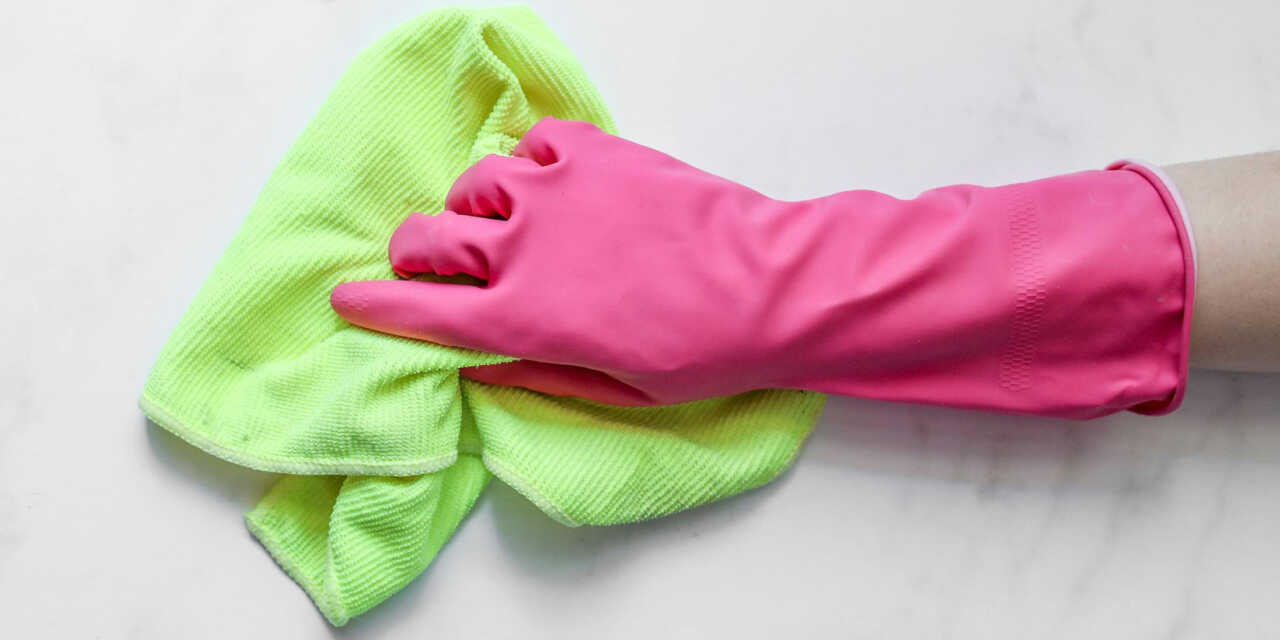
# The Essential Guide to Cleaning Gloves: Protect Your Hands While You Clean
Cleaning gloves are essential for protecting your hands from harsh chemicals, hot water, and dirt while performing household chores. Whether you’re washing dishes, scrubbing floors, or handling strong disinfectants, the right pair of gloves can make a significant difference. This comprehensive guide will help you choose the best cleaning gloves based on durability, comfort, and safety, ensuring that your cleaning tasks are not only effective but also safe for your skin.
## Why You Need Cleaning Gloves
Many people underestimate the importance of using cleaning gloves. However, they offer several benefits that are crucial for maintaining both hygiene and skin health. Here are some key reasons why you should always wear cleaning gloves while tackling household chores:
### Protection
– Skin Irritation: Cleaning products often contain harsh chemicals that can irritate the skin, leading to redness, rashes, or even chemical burns. Cleaning gloves act as a barrier, protecting your skin from these harmful substances.
– Allergic Reactions: Some individuals may be allergic to specific cleaning agents. Wearing gloves can prevent direct contact and reduce the risk of allergic reactions.
### Hygiene
– Bacteria and Germs: Cleaning often involves handling dirty dishes, trash, and surfaces that harbor bacteria and germs. Gloves keep your hands clean and minimize the transfer of harmful microorganisms.
### Durability
– Skin Health: Regular exposure to water and cleaning chemicals can lead to dry skin, cracked hands, and other dermatological issues. Gloves reduce this direct exposure, promoting better skin health.
### Improved Grip
– Handling Wet Surfaces: Many cleaning tasks involve wet or slippery objects. Gloves with textured surfaces provide a better grip, reducing the risk of dropping items or slipping while cleaning.
### Comfort
– Reduced Hand Fatigue: Wearing gloves can significantly reduce hand fatigue, especially during prolonged cleaning tasks. A good pair of gloves provides cushioning and support, allowing you to work longer without discomfort.
### Temperature Resistance
– Protection from Extremes: Whether you’re dealing with hot water while washing dishes or cold temperatures while cleaning outdoors, gloves can help protect your hands from extreme temperatures.
## Types of Cleaning Gloves
There are several types of cleaning gloves available, each suited for different tasks. Here are the main types:
### Rubber Gloves
– General Cleaning: Rubber gloves are ideal for a wide range of cleaning tasks, offering good durability and chemical resistance. They are often used for dishwashing, bathroom cleaning, and general household chores.
### Latex Gloves
– Light Cleaning Tasks: Latex gloves provide a snug fit and flexibility, making them best for light cleaning tasks. However, some individuals may experience allergies to latex, so it’s essential to be cautious.
### Nitrile Gloves
– Chemical Resistance: Nitrile gloves are an excellent choice for people with latex allergies. They are resistant to chemicals and punctures, making them suitable for handling harsh cleaning agents.
### Vinyl Gloves
– Disposable Option: Vinyl gloves are affordable and disposable, making them suitable for short-term use. They are often used in food service or light cleaning tasks but may not provide the same level of protection as other materials.
### Neoprene Gloves
– Chemical and Oil Resistance: Neoprene gloves are resistant to a wide range of chemicals and oils, offering excellent durability. They are ideal for tasks that involve handling strong cleaning agents or industrial products.
### Disposable Gloves
– Convenience: Disposable gloves are convenient for one-time use and handling potentially hazardous materials. They are commonly used in medical settings, food preparation, and cleaning up after pets.
## Key Factors to Consider When Buying Cleaning Gloves
When purchasing cleaning gloves, several factors should be considered to ensure you get the best pair for your needs.
### Material
The material of the gloves is crucial as it determines their durability, flexibility, and level of protection. Choose based on the tasks you perform:
– For Heavy-Duty Cleaning: Rubber or nitrile gloves are ideal as they offer good resistance to chemicals and tears.
– For Light Cleaning: Latex or vinyl gloves work well for simple tasks that don’t involve harsh chemicals.
– For Chemical Exposure: Nitrile or neoprene gloves provide excellent resistance against a wide range of chemicals.
– For Single-Use Applications: Disposable gloves are a practical choice for short-term use or handling hazardous materials.
### Size and Fit
Gloves should fit snugly without restricting movement. Loose gloves can slip off, leading to exposure, while tight gloves can tear easily. Choosing the right size ensures comfort and effectiveness. Many brands offer sizes ranging from small to extra-large, so it’s important to measure your hands and refer to the sizing chart before purchasing.
### Thickness
Thicker gloves provide better protection but may reduce dexterity, making it harder to perform detailed tasks. On the other hand, thin gloves offer more flexibility but might not be as durable. Consider the balance between protection and ease of movement based on the cleaning tasks you will undertake.
### Textured Grip
A textured surface on gloves improves grip, making it easier to handle slippery items. This feature is particularly useful for washing dishes and cleaning wet surfaces where a secure hold is necessary.
### Comfort and Lining
Look for gloves with a cotton or fleece lining for added comfort, especially if you use them for extended periods. Lined gloves not only provide cushioning but also absorb sweat, keeping your hands dry and comfortable during use.
### Reusable vs. Disposable
Reusable gloves are more durable and cost-effective for regular cleaning, while disposable gloves are suitable for one-time use or when handling contaminants. If you clean frequently, investing in a high-quality pair of reusable gloves can be more economical and environmentally friendly.
## Maintenance and Care
To extend the life of your cleaning gloves, it’s essential to follow proper maintenance and care techniques:
1. Rinse Thoroughly: After each use, rinse the gloves thoroughly with clean water to remove any cleaning agents. This helps prevent degradation of the material.
2. Dry Properly: Allow the gloves to air dry completely before storing them. Avoid drying them in direct sunlight, as this can weaken the material over time.
3. Store Correctly: Store gloves in a cool, dry place, away from heat sources and direct sunlight. This will help preserve the material and prevent any deterioration.
4. Inspect Regularly: Regularly check your gloves for any signs of wear and tear, such as holes or cracks. If you notice any damage, it’s time to replace them to ensure your hands remain protected.
## Best Cleaning Gloves for Different Tasks
Selecting the right gloves for specific cleaning tasks can enhance your efficiency and comfort. Here are some recommendations based on common household cleaning activities:
### Dishwashing
– Recommended Gloves: Rubber gloves with a soft lining for comfort and heat resistance. Look for long cuffs to protect your wrists from splashes.
### Bathroom Cleaning
– Recommended Gloves: Nitrile or neoprene gloves that can withstand harsh chemicals like bleach and disinfectants. These materials provide excellent chemical resistance.
### General House Cleaning
– Recommended Gloves: Latex or rubber gloves for flexibility and protection during various cleaning tasks. Opt for a pair with a textured grip for improved handling.
### Gardening and Outdoor Cleaning
– Recommended Gloves: Heavy-duty rubber gloves with long cuffs to protect your hands from dirt, moisture, and potential cuts from garden tools.
### Handling Food
– Recommended Gloves: Vinyl or nitrile disposable gloves to maintain hygiene when preparing food. Ensure they are food-grade to prevent any contamination.
## Conclusion
Choosing the right cleaning gloves is crucial for ensuring safety, comfort, and effectiveness while performing household chores. By considering factors such as material, fit, thickness, and grip, you can make an informed decision that suits your specific needs.
With the right gloves, you can protect your hands from harsh chemicals and physical hazards, making cleaning tasks easier and more efficient. Proper care and maintenance of your gloves will also extend their lifespan, making them a reliable tool in your cleaning routine. Remember, investing in quality cleaning gloves is not just about comfort; it’s about safeguarding your skin and promoting overall health while maintaining a clean and healthy living environment. Whether you are deep cleaning your home or simply washing the dishes, having the right pair of gloves can make all the difference.