

















6 Things You Didn’t Know About France’s Beloved Croissant
# The History and Craft of the Croissant: A Comprehensive Exploration
The croissant is one of France’s most iconic pastries, loved worldwide for its buttery, flaky texture and golden, crispy layers. While many people associate it with French culture, there’s more to this delicious treat than meets the eye. Here, we delve into six fascinating aspects of the croissant, exploring its origins, cultural significance, and the meticulous process that goes into its creation.
## 1. The Croissant Isn’t Originally French
Although the croissant is synonymous with France, its origins trace back to Austria. The pastry evolved from the kipferl, a crescent-shaped bread enjoyed in Vienna for centuries. This delightful treat has a history that dates back to at least the 13th century, but it was during the 17th century that it gained significant historical context.
### The Story of the Kipferl
The story goes that the kipferl was created as a way to celebrate the defeat of the Ottoman Empire during the Siege of Vienna in 1683. The crescent shape was a nod to the crescent moon, a symbol of the Ottomans. Viennese bakers, celebrating their victory, crafted these pastries to commemorate the event. When the Austrian bakers developed the kipferl, they unknowingly set the foundation for what would later become one of France’s most cherished breakfast items.
In the early 19th century, the Austrian kipferl made its way to France, where it caught the attention of local bakers. The French began to experiment with the recipe, incorporating layers of butter and dough to create the signature flaky texture we now recognize as the croissant. This transformation marked the beginning of a new era for the pastry, firmly establishing it in French culinary traditions.
## 2. It Became Popular Thanks to a Royal Marriage
The croissant made its way to France in a rather royal manner. When Marie Antoinette, originally from Austria, married King Louis XVI, she longed for the pastries from her homeland. It is widely believed that her love for the kipferl played a significant role in its introduction to French bakeries.
### Marie Antoinette’s Influence
Marie Antoinette was known for her refined taste and extravagant lifestyle, and her passion for Austrian delicacies influenced French culinary trends. When she introduced the kipferl to the French court, local bakers began experimenting with the recipe, ultimately transforming it into the flaky, buttery croissant we adore today.
As the croissant gained popularity, it became a staple in Parisian bakeries. By the early 20th century, French bakers had perfected the recipe, employing a technique known as lamination. This intricate method involves folding and layering dough with butter multiple times, resulting in a light and airy pastry that is both visually appealing and delectable.
## 3. The Traditional French Croissant Doesn’t Contain Butter
While most people associate croissants with their rich, buttery flavor, a true croissant ordinaire in France is made with margarine. Only croissants labeled croissant au beurre contain real butter, which adds to their richness and flavor.
### The Distinction Between Croissant Ordinaire and Croissant au Beurre
In French bakeries, you will find both versions available. The croissant au beurre is the preferred choice for those seeking a more authentic and indulgent experience. Butter-based croissants are often richer in flavor and have a crispier, golden exterior, while margarine-based croissants are more affordable and commonly found in large supermarket chains.
French pastry chefs take immense pride in the quality of their croissants, often using high-quality ingredients such as AOP (Appellation d’Origine Protégée) butter. This butter is produced using traditional methods and is known for its superior taste and texture. The choice of ingredients can significantly affect the final product, making the distinction between croissant ordinaire and croissant au beurre essential for pastry connoisseurs.
## 4. There’s a Law Governing Their Shape
In France, the shape of a croissant is not merely a matter of aesthetics; it indicates the type of fat used in its preparation. Straight croissants are made with pure butter, while crescent-shaped croissants are typically made with other fats like margarine.
### The Importance of Shape in French Pastry Culture
This tradition helps customers easily distinguish between different types of croissants when buying from bakeries. It also reinforces the importance of butter in French pastry culture, as many food connoisseurs consider croissant au beurre to be far superior in taste and texture.
Interestingly, French law regulates many aspects of traditional baked goods, ensuring consistency in quality. Many artisanal bakeries still follow traditional recipes passed down through generations, maintaining the integrity of their craft. These regulations help preserve the culinary heritage of France and ensure that future generations can enjoy authentic French pastries.
## 5. Croissants Have a Special Connection to French Breakfast Culture
Unlike in many countries where croissants are eaten on the go, the French typically enjoy them as part of a sit-down breakfast. A classic pairing is a fresh croissant with café au lait or hot chocolate, creating a perfect morning indulgence.
### The Ritual of Breakfast in France
French breakfast culture emphasizes taking time to enjoy food rather than rushing. Croissants are often served with butter, jam, or even dipped in coffee for an extra indulgent experience. Many French families enjoy croissants on weekends or special occasions, making them a beloved tradition.
In addition to the classic croissant, various adaptations have emerged over the years. For example, the pain au chocolat (a chocolate-filled croissant) and the almond croissant (filled with almond paste and topped with slivered almonds) are popular variations that showcase the versatility of the croissant. These adaptations not only appeal to different tastes but also reflect the creativity and innovation of French bakers.
### Croissants Beyond Breakfast
While croissants are often associated with breakfast, they have transcended to become a popular snack or dessert option throughout the day. Their flaky texture and buttery flavor make them an excellent accompaniment to both sweet and savory dishes, further solidifying their status in French gastronomy.
## 6. Making Croissants Is a Time-Intensive Process
One reason why croissants are so special is the amount of effort and skill required to make them. The process involves several stages of lamination, where layers of dough and butter are carefully folded and rolled multiple times to create the pastry’s signature flaky texture.
### The Art of Croissant-Making
It takes at least two to three days to make a traditional French croissant from scratch. The dough needs to rest overnight to allow for proper fermentation, which enhances the flavor and texture. The rolling and folding process is then repeated multiple times to achieve the perfect balance of crispiness and softness.
Professional bakers, known as boulangers, often undergo years of training to master the art of croissant-making. Even slight variations in temperature, humidity, or technique can affect the final result, making precision crucial in this culinary art form.
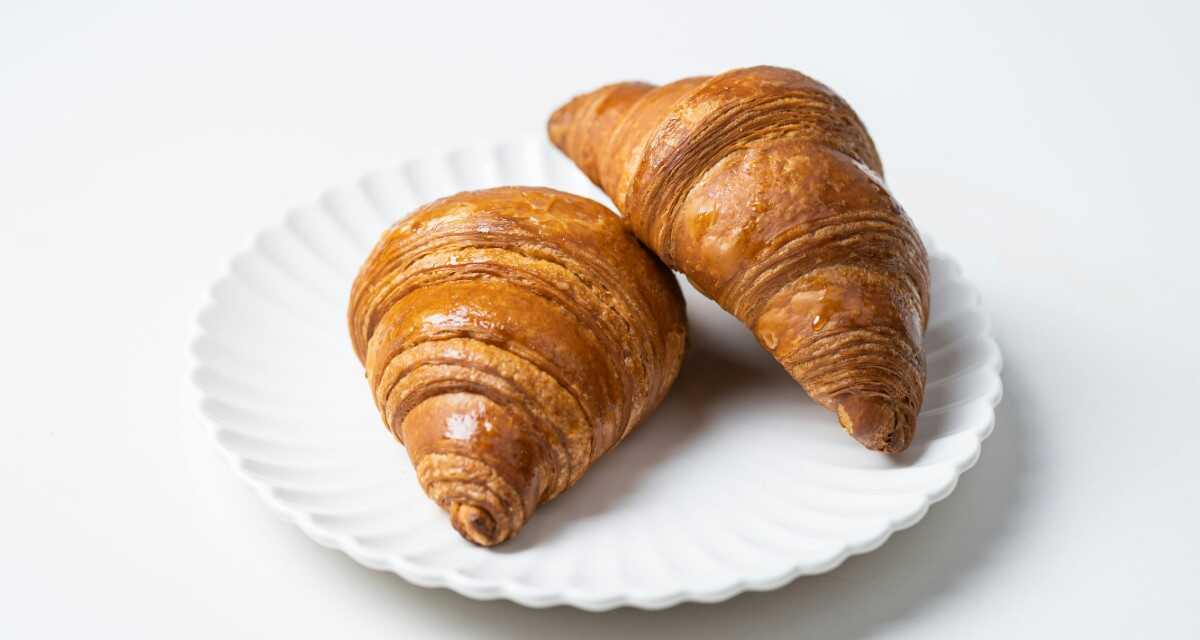
Because of the complex process, high-quality croissants are best enjoyed fresh from an artisanal bakery. Unlike pre-packaged versions found in supermarkets, authentic croissants crafted by skilled bakers should have a crispy, golden exterior and an airy, honeycomb-like interior. The experience of biting into a perfectly made croissant is one that reflects the dedication and craftsmanship of the baker.
## Conclusion: The Legacy of the Croissant
So next time you bite into a croissant, remember the craftsmanship and history behind this beloved pastry. From its origins in Austria to its transformation in France, the croissant embodies a rich culinary heritage that reflects the artistry of baking. Whether you prefer a classic croissant au beurre or enjoy trying out different variations, this pastry continues to delight taste buds around the world.
The croissant is not just a breakfast item; it is a symbol of culture, history, and the joy of food that brings people together. So, take a moment to savor your croissant, appreciating the layers of flavor and the intricate process that goes into creating this iconic pastry. Its journey from a simple kipferl to a global phenomenon is a testament to the enduring appeal of this flaky delight.