





















5 Fascinating Facts About Baguette Bread
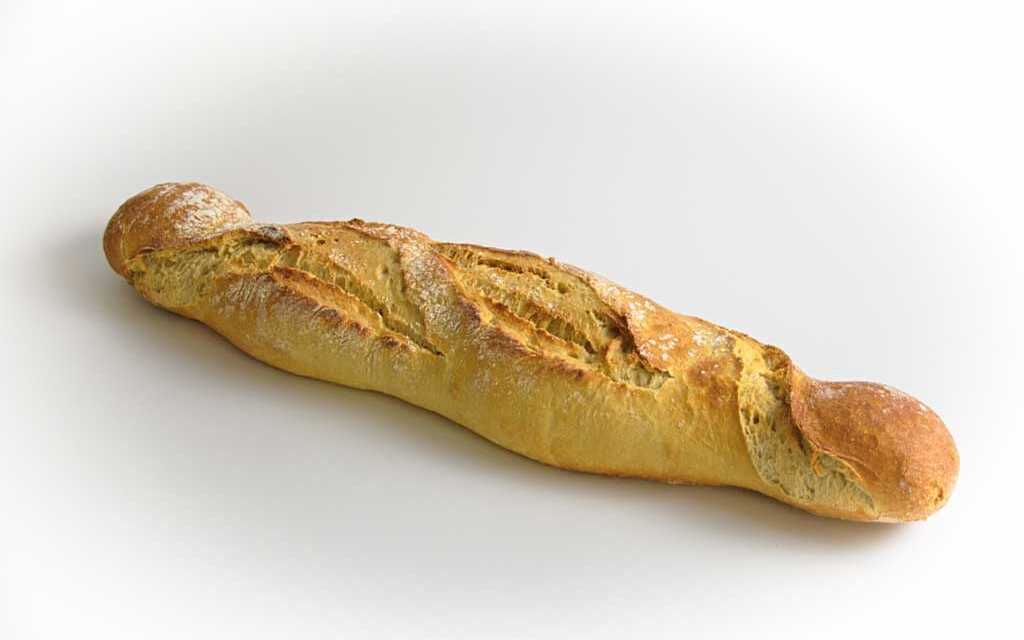
The baguette is a type of bread of French origin that has become famous worldwide. It is long, thin, and crispy, which gives it its distinctive character. This beloved bread encapsulates a rich history and cultural significance that extends far beyond its delightful crust and airy interior.
1. History of the Baguette
The roots of the baguette can be traced back to ancient times, with historical references indicating that bakers in the Roman Empire produced long and thin breads known as “Roman bread.” However, the specific shape and style of the modern baguette that we recognize today only emerged in the 19th century.
This period marked significant advancements in baking techniques, including the introduction of steam ovens, which contributed to the baguette’s characteristic crust and texture. The baguette became increasingly popular due to its portability; it was easy to eat on the go, making it an ideal snack for busy Parisians. Additionally, the baguette’s longer shelf life compared to other types of bread made it a staple in French households.
As the 20th century approached, the baguette solidified its status as a symbol of French culinary culture, representing not just a type of bread, but a lifestyle. The French government even recognized its cultural significance, leading to the establishment of regulations to protect its production methods, ensuring that this iconic bread maintains its quality and authenticity.
2. The Traditional Baguette
To be classified as a “traditional baguette,” strict standards must be adhered to during its production. These regulations dictate various aspects, including the composition of the dough, the baking process, and the final size and shape of the bread.
For instance, the dough must consist of only four ingredients: flour, water, salt, and natural yeast. This simplicity is key to creating the baguette’s unique flavor and texture. Bakers who adhere to these standards are allowed to label their bread as “baguette de tradition française,” which signifies that their product is authentically crafted according to traditional methods.
These stringent standards are in place to ensure that the quality and authenticity of the traditional baguette are preserved, distinguishing it from industrially produced versions that often lack the same depth of flavor and artisanal craftsmanship. The reverence for traditional baking practices helps maintain the baguette’s status as a cherished staple in French cuisine.
3. The Place of the Baguette in French Culture
The baguette is not just a type of bread; it is an integral part of daily life in France. Found in bakeries, or “boulangeries,” across the country, it is a symbol of the quality of French cuisine. The baguette accompanies nearly every meal, from breakfast to dinner, and is often enjoyed fresh with a variety of toppings or simply on its own.
In French culture, the baguette also holds a special place during social gatherings and festive occasions. It is common to see baguettes served at family meals, picnics, and celebrations. The bread is often paired with a selection of cheeses, cured meats, and spreads, enhancing the overall dining experience.
Moreover, the baguette is celebrated through various competitions, such as the prestigious “Grand Prix de la Baguette de Tradition Française de la Ville de Paris,” which awards the best baguette in the city. This competition emphasizes the skill and artistry involved in baguette making, showcasing the dedication of bakers to uphold the tradition and quality of this iconic bread.
4. The Baguette and Natural Yeast
One of the defining characteristics of a traditional baguette is its use of natural yeast in the fermentation process. Unlike breads made with commercial yeast, the traditional baguette relies on naturally occurring yeasts and lactic bacteria, which contribute to its unique flavor profile and texture.
The fermentation process not only enhances the taste but also improves the bread’s digestibility. Natural yeast is known to produce beneficial probiotics that can aid in gut health, making the baguette a healthier option compared to some commercially produced breads.
Furthermore, the use of natural ingredients and traditional techniques aligns with a broader trend in the culinary world, where consumers are increasingly seeking out artisanal products that prioritize quality and authenticity. As such, the baguette not only serves as a delicious accompaniment to meals but also embodies a commitment to health-conscious eating and sustainable food practices.
5. The Baguette and International Culinary Culture
The baguette has transcended borders and has become a symbol of French culinary culture worldwide. Its unique texture, flavor, and versatility have inspired bakers and culinary enthusiasts globally, leading to numerous attempts to replicate the traditional baguette in various countries.
However, achieving the authentic taste and texture of a French baguette is no easy feat. Factors such as the specific type of flour used, the fermentation process, and even the local climate all play a significant role in the baking process. While many bakeries around the world try to imitate the baguette, few can match the artistry and tradition behind the authentic French version.
In various cultures, the baguette has found its way onto dining tables in different forms. It can be sliced and served with an array of cheeses, cured meats, and gourmet spreads, or simply enjoyed plain with a pat of butter. The baguette’s versatility makes it an ideal vehicle for a variety of culinary creations, from gourmet sandwiches to elegant canapés.
In conclusion, the baguette is more than just a loaf of bread; it is a cultural icon, a historical artifact, and a culinary masterpiece. Its significance in French culture and its global influence highlight the importance of tradition and quality in the world of gastronomy. Whether enjoyed with a meal or on its own, the baguette remains a timeless symbol of culinary excellence.