



















Buying Guide: How To Choose The Right Barbecue?
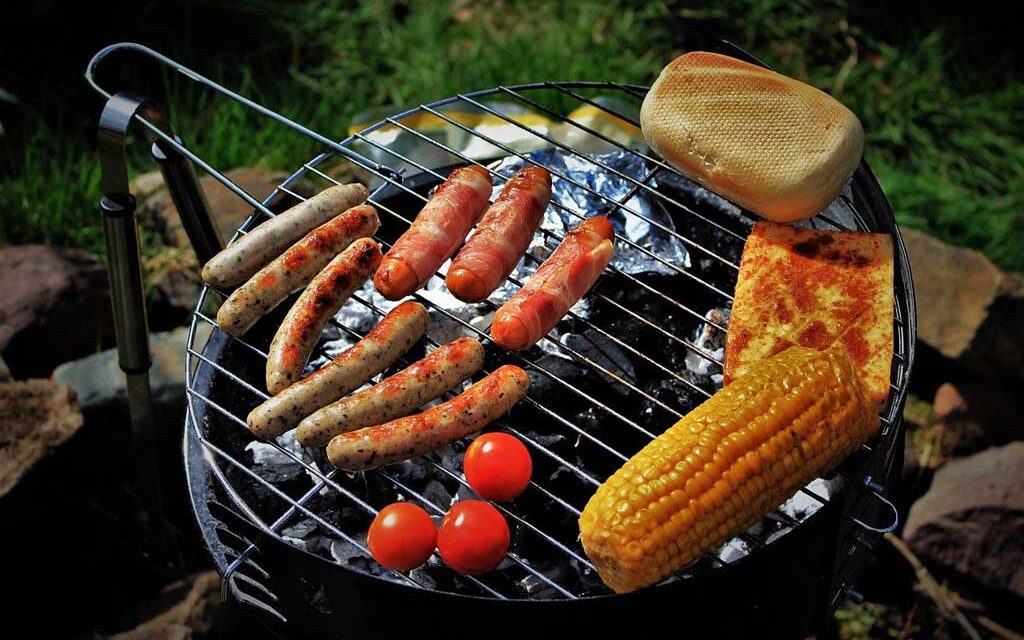
Barbecuing has evolved from a simple cooking method to a beloved outdoor tradition, a way for friends and family to gather, celebrate, and enjoy delicious meals in the fresh air. The aroma of grilling meat, the sound of laughter, and the sight of vibrant vegetables sizzling over an open flame create a unique atmosphere that draws people together. However, with the myriad of barbecues available on the market today, selecting the one that best suits your needs can be quite overwhelming. This buying guide aims to simplify that process, providing you with essential insights and considerations to help you make an informed purchasing decision when choosing a barbecue.
Product Types and Categories
Barbecues come in a variety of styles, each offering its own cooking experience and flavor profile. Understanding the different types and their characteristics is crucial to making the right choice for your outdoor cooking adventures. The three primary types of barbecues are gas, charcoal, and electric, each with unique features and advantages.
Gas Barbecues
Gas barbecues are a popular choice for many outdoor cooking enthusiasts. Fueled by propane or natural gas, they offer the convenience of quick and easy cooking. Here are some key features and benefits:
– Instant Heat: With a simple turn of the knob, gas barbecues ignite quickly, providing immediate heat. This is particularly advantageous when you’re in a hurry or when unexpected guests arrive.
– Temperature Control: Gas barbecues come equipped with adjustable controls that allow you to set and maintain precise cooking temperatures. This feature is essential for cooking different types of food, ensuring that meat is cooked thoroughly while vegetables retain their crunch.
– Ease of Cleaning: Generally, gas barbecues feature grease trays that catch drippings, making cleanup simpler. Most models are designed with removable parts that can be easily washed.
– Versatility: Many gas barbecues come with additional features like side burners, rotisserie attachments, and built-in thermometers, enhancing your cooking options.
However, they do have some drawbacks. The initial cost of a gas barbecue can be higher compared to other types, and they may not provide the same smoky flavor that many outdoor chefs crave.
Charcoal Barbecues
Charcoal barbecues are often favored by purists who appreciate the rich, smoky flavor that charcoal imparts to food. Here are some of the advantages and considerations associated with charcoal barbecues:
– Smoky Flavor: Cooking over charcoal produces a distinctive flavor that many people associate with traditional barbecuing. This flavor is hard to replicate with gas or electric options.
– Cooking Versatility: Charcoal barbecues can be used for grilling, smoking, and even baking. The ability to control the airflow allows for indirect cooking, which is ideal for larger cuts of meat that benefit from slow cooking.
– Cost-Effectiveness: Generally, charcoal grills are less expensive than their gas counterparts. For those on a budget, this can be an attractive option.
On the downside, charcoal barbecues take longer to heat up and require more time and effort to prepare and clean up. Additionally, they can be messier than gas barbecues, and the learning curve for optimal use may be steeper, especially for beginners.
Electric Barbecues
Electric barbecues are an excellent option for those who may not have access to gas or charcoal grills due to regulations or space constraints. Here’s what to consider:
– Convenience: Electric barbecues are incredibly easy to use. They require minimal setup, and you simply need to plug them in to start cooking. This makes them perfect for those who may not want to deal with charcoal or propane.
– Indoor Cooking: Many electric models are designed for indoor use, allowing you to enjoy barbecued food even when the weather is less than ideal.
– Low Maintenance: Cleaning electric grills is typically straightforward, as they often feature non-stick surfaces and removable drip trays.
However, electric barbecues can lack the power of gas or charcoal models when it comes to achieving high heat, and they may not provide the authentic outdoor cooking experience that many barbecue enthusiasts cherish. Additionally, they require an electrical outlet, which can limit your cooking locations.
Features and Options
When selecting a barbecue, it’s essential to consider various features and options to ensure that you find the best fit for your needs. Here are some key features to keep in mind:
Size
The size of the barbecue you choose should be determined by your cooking needs and space availability. If you frequently host large gatherings or family barbecues, a larger barbecue with ample cooking space will be necessary. Conversely, if you only cook for a small family or have limited outdoor space, a compact grill may suffice.
Cooking Surface
The cooking surface area is crucial, as it determines how much food you can prepare at one time. Consider the types of meals you will be cooking. For instance, if you’re planning to grill steaks, vegetables, and perhaps even a whole chicken, a larger cooking surface will be essential to accommodate everything simultaneously.
Heat Output
The barbecue’s heat output is measured in BTUs (British Thermal Units) for gas grills and can significantly affect cooking efficiency. A higher BTU rating generally means that the grill can reach higher temperatures more quickly. However, it’s also important to consider how evenly the heat is distributed across the cooking surface.
Temperature Control
Temperature control features are vital, especially when cooking different types of food that require varying temperatures. Look for barbecues that offer multiple burners or zones with independent controls, allowing you to prepare different dishes simultaneously at the ideal temperatures.
Grates
The type of grates on your barbecue can impact cooking performance and maintenance. Stainless steel and cast iron grates are popular choices due to their durability and heat retention properties. Cast iron grates, in particular, are excellent for achieving sear marks on meats, while stainless steel grates are easier to clean and maintain.
Selection and Purchasing Criteria
Choosing the right barbecue can be a daunting task, considering the vast array of options available. Here are some key factors to consider when making your selection:
Budget
Establishing a budget before you start shopping is crucial. Gas barbecues tend to be more expensive due to their additional features and convenience, while charcoal models are generally more affordable. Electric barbecues can vary widely in price, depending on their size and features.
Fuel Type
Consider the fuel type that best suits your lifestyle and environment. If you have easy access to propane or natural gas, a gas barbecue might be the best fit for you. If you enjoy the traditional barbecue experience with a smoky flavor, charcoal could be your preference. For those living in apartments or areas with strict regulations, an electric barbecue may be the only viable option.
Brand Reputation
Choosing a reputable brand can save you time and money in the long run. Look for companies known for their quality products and customer service. Brands that offer solid warranties and support can provide peace of mind, ensuring that you can get help if any issues arise with your barbecue.
Customer Reviews
Before making a purchase, take the time to read customer reviews. Feedback from other users can provide valuable insights into the barbecue’s performance, ease of use, and durability. Look for common praise or complaints, as these can highlight both the strengths and weaknesses of a particular model.
Pros and Cons
Before finalizing your decision, it’s important to weigh the pros and cons of each barbecue type. This will help you understand which option aligns best with your cooking style and preferences.
Gas Barbecues
Pros:
- Quick and easy to start, allowing for spontaneous cooking.
- Offers instant heat and precise temperature control for versatile cooking.
- Generally easier to clean compared to charcoal grills.
- Can be used in various outdoor spaces, including patios and balconies.
Cons:
- Typically more expensive than charcoal options, both in initial cost and fuel expenses.
- May not provide the same authentic smoky flavor that many grillers seek.
- Requires a consistent supply of propane or natural gas, which may be inconvenient.
Charcoal Barbecues
Pros:
- Produces a unique, smoky flavor that enhances the taste of grilled foods.
- Offers versatility for various cooking methods, including smoking and roasting.
- Generally more affordable than gas barbecues.
Cons:
- Requires more time to heat, which can be a drawback for quick meals.
- Can be messy, with ashes needing to be cleaned up after cooking.
- May require more skill and attention to achieve ideal cooking results.
Electric Barbecues
Pros:
- Extremely user-friendly and require minimal setup, making them accessible for beginners.
- Can be used indoors or in areas where traditional grills are prohibited.
- Easy to clean and maintain, often featuring non-stick surfaces.
Cons:
- Generally less powerful than gas or charcoal grills, which may impact cooking performance.
- May lack the authentic outdoor cooking experience associated with traditional barbecues.
- Requires access to an electrical outlet, which may limit cooking options.
Conclusion
In conclusion, choosing the right barbecue is an essential step in enhancing your outdoor cooking experience. By considering the various types available, the features you desire, and the factors that influence your purchase, you can find the perfect barbecue to suit your needs.
Whether you opt for a gas, charcoal, or electric barbecue, it’s essential to follow proper safety precautions during use. Familiarize yourself with the operation of your chosen barbecue and ensure that you maintain it according to the manufacturer’s guidelines. With the right barbecue, you can create not only delicious meals but also unforgettable memories with friends and family that will last a lifetime.
As you embark on your barbecuing journey, remember that practice makes perfect. Don’t be afraid to experiment with different recipes and techniques. With time, you’ll discover your preferences and develop your unique grilling style. Happy grilling!