






Buying Guide: How To Choose The Perfect Cooking Thermometer
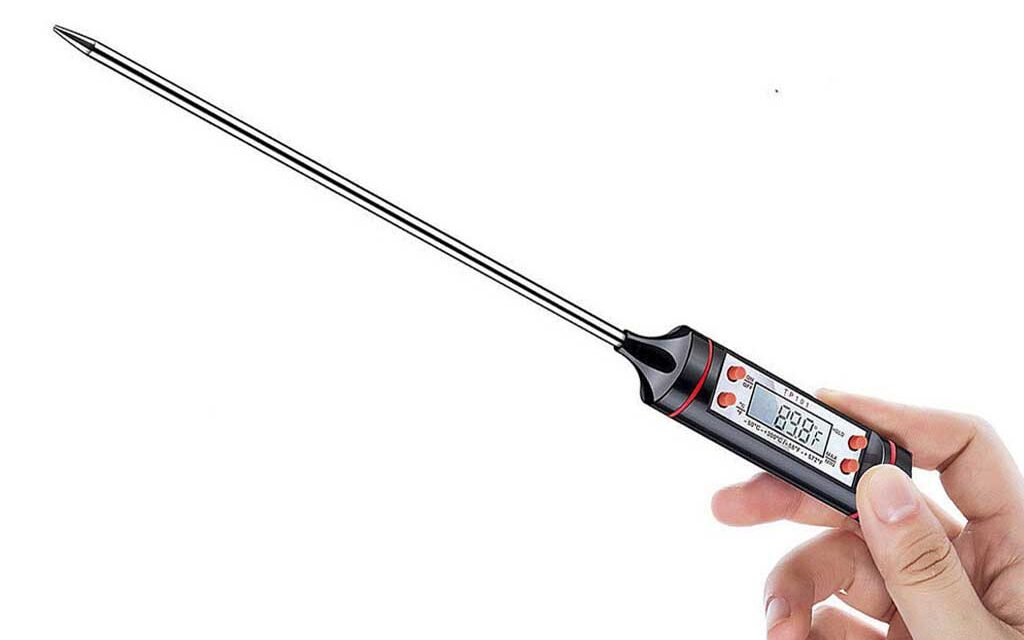
A cooking thermometer is an indispensable tool in any kitchen, whether you’re an enthusiastic home cook or a seasoned professional chef. The ability to measure the temperature of food accurately allows you to achieve perfect cooking results consistently, ensuring that your meals are not only delicious but also safe to eat. Cooking thermometers eliminate the guesswork associated with cooking, helping you to avoid undercooked or overcooked meals.
In this comprehensive guide, we will explore the various types of cooking thermometers available, key features to consider when making a purchase, and the essential functions that make these tools so valuable. Additionally, we will discuss the pros and cons of using cooking thermometers, helping you to make an informed decision when choosing the right one for your kitchen.
Types and Categories of Cooking Thermometers
Cooking thermometers come in various types and categories, each designed for specific cooking applications. Understanding these different types can assist you in selecting the right thermometer to suit your cooking style and needs. Below are some of the most common types of cooking thermometers:
- Digital Instant-Read Thermometers: These thermometers are perhaps the most popular among home cooks and professionals alike. They provide quick and accurate temperature readings in a matter of seconds, making them ideal for checking the doneness of meats, baked goods, and other dishes. Digital instant-read thermometers are versatile and can be used for a wide variety of cooking tasks.
- Wireless Meat Thermometers: Designed for those who love grilling or roasting, these thermometers come with a probe that is inserted into the meat while a wireless receiver allows you to monitor the temperature from a distance. This means you can enjoy socializing or managing other dishes without the need to constantly check on your meat. Many models also feature alarms to alert you when your meat reaches the desired temperature.
- Oven-Safe Thermometers: These thermometers are meant to be left in the oven during cooking, providing a continuous reading of your food’s internal temperature. They are particularly useful for baking and roasting, as they help ensure that your dishes cook evenly and reach the correct temperature without the need for frequent checks.
- Candy Thermometers: Specifically designed for measuring the temperature of sugar and other candy-making ingredients, these thermometers are essential for making candy, caramel, or fudge. They often feature a scale that indicates the various stages of sugar cooking, allowing you to achieve the perfect texture and consistency for your sweet treats.
- Infrared Thermometers: These thermometers allow you to take temperature readings from a distance, making them perfect for measuring the surface temperature of hot foods or cooking surfaces. They are especially useful for tasks like checking the temperature of frying oil or preheating a grill. However, they do not measure internal temperatures, so they are best used in conjunction with other types of thermometers.
Functions and Features
When selecting a cooking thermometer, it is essential to consider the various functions and features that can enhance your cooking experience. Here are some key features to look for when choosing the right thermometer:
- Temperature Range: The thermometer should have a temperature range that meets your cooking needs. For example, if you frequently cook meat, you’ll want a thermometer that can measure temperatures from as low as 32°F (0°C) to as high as 572°F (300°C) or more, depending on the types of meat you cook.
- Accuracy: Precision is critical when it comes to cooking thermometers. An accurate thermometer ensures that your food reaches the desired temperature, which is crucial for food safety and quality. Look for thermometers with an accuracy rating of ±1°F (±0.5°C) for the best results.
- Response Time: A quick response time is essential to minimize the time the oven or grill is open, which can affect cooking results. Many high-quality instant-read thermometers provide readings in 2-3 seconds, which is ideal for fast-paced cooking environments.
- Display: The display should be large and easy to read, even from a distance. Some thermometers feature backlit displays for easier reading in low-light conditions. Additionally, having the option to toggle between Celsius and Fahrenheit is a helpful feature for home cooks.
- Probes: The probe should be made from durable, high-quality materials like stainless steel and be able to withstand high temperatures without warping or degrading. Look for models with long probes to ensure you can measure the internal temperature of larger cuts of meat without getting burned.
- Calibration: Accurate temperature readings depend on proper calibration. Some thermometers come pre-calibrated, while others require manual calibration. Choose a thermometer that is easy to calibrate to maintain its accuracy over time.
- Water Resistance: If you plan to use your thermometer in wet cooking environments, consider a model that is water-resistant or waterproof. This feature prevents damage and prolongs the lifespan of the thermometer.
Selection and Purchasing Criteria
Choosing the right cooking thermometer involves several considerations. Below are some essential criteria to guide you in your selection process:
- Price: Determine your budget before you start shopping. Cooking thermometers can range from as low as $10 for basic models to over $100 for advanced options with multiple features. Look for a thermometer that offers the best value for your money without compromising quality.
- Durability: A high-quality thermometer should be made from durable materials that can withstand frequent use. Look for models with sturdy construction, particularly in the probe and casing. Stainless steel is a popular choice for durability and resistance to corrosion.
- Brand Reputation: Opt for reputable brands that have a history of producing reliable cooking thermometers. Brands such as ThermoWorks, Taylor, OXO, and Maverick are known for their quality and performance.
- Customer Reviews: Reading customer reviews can provide valuable insights into a product’s performance and reliability. Look for thermometers with high ratings and positive feedback from users who share their experiences.
- Warranty: A warranty can provide peace of mind when purchasing a cooking thermometer. Look for products that come with a warranty, as this protects your investment and gives you options for replacement or repair in case of defects or malfunctions.
- Ease of Use: Choose a thermometer that is user-friendly and intuitive. Complicated designs can lead to confusion and mistakes in the kitchen.
- Additional Features: Some thermometers come with advanced features, such as programmable temperature settings, timers, and smartphone connectivity. Consider whether these features are worth the extra cost for your particular cooking style.
Pros and Cons
Like any kitchen tool, cooking thermometers come with their own set of advantages and disadvantages. Understanding these can help you make an informed decision about whether to invest in one.
Pros
- Accurate Temperature Readings: A cooking thermometer provides precise temperature readings, which are crucial for ensuring food safety and achieving desired doneness.
- Saves Time: Instant-read thermometers significantly reduce the time spent checking temperatures, allowing for a more efficient cooking process.
- Versatile Use: Cooking thermometers can be used for a wide range of dishes, from meats and poultry to baked goods and candy, making them a versatile addition to your kitchen.
- Prevents Overcooking or Undercooking: By providing accurate readings, cooking thermometers help prevent common cooking mistakes, resulting in better flavor, texture, and overall enjoyment of your meals.
- Food Safety: Proper temperature measurement is key to food safety, as it helps ensure harmful bacteria are eliminated during cooking.
Cons
- Cost: Some high-quality cooking thermometers can be expensive, especially those with advanced features or multiple functions.
- Calibration Requirements: Some thermometers require manual calibration, which can be time-consuming and may require additional tools or knowledge.
- Temperature Limitations: Not all thermometers are suitable for high-temperature cooking methods such as grilling or broiling. Be sure to choose a thermometer that meets your specific cooking needs.
- Delicate Probes: The probes can be fragile and may break if dropped or mishandled, leading to potential replacements or additional costs.
- Learning Curve: Some models with advanced features may require a learning curve to operate effectively, which can be intimidating for novice cooks.
Conclusion
A cooking thermometer is an essential tool for any kitchen, whether you are a beginner or an experienced chef. By understanding the types, features, and functions of cooking thermometers, you can make an informed decision that suits your cooking style and needs.
When purchasing a cooking thermometer, consider factors such as price, durability, brand reputation, customer reviews, and warranty options. Each of these elements plays a crucial role in ensuring you select a high-quality thermometer that will serve you well in the kitchen.
With the right cooking thermometer, you can elevate your cooking game and impress your family and friends with perfectly cooked dishes every time. Whether you’re grilling, baking, or making candy, a thermometer will help you achieve the results you desire, making your time in the kitchen more enjoyable and rewarding. Happy cooking!