
















Buying guide: which dish rack or drainer should you choose?

Dish Racks: Kitchen Accessories
A colander used to drain dishes as well as food. The dish rack is a stand designed to hold a product or object to allow it to drain. It is one of the most commonly used kitchen utensils. You can find various types on the market depending on their use.
4 Simple Ways to Use a Dish Rack Throughout Your Home
Keeping your home organized with a busy schedule and a tight budget is no easy task. But what if we told you that we’ve found an everyday household item that can organize everything? From your closet to your kitchen.
These wire dish racks. If you thought they were only good for drying your freshly washed dishes, think again. These very affordable items are durable enough to store fancy stoneware and all sorts of other things around your home.
- In Your Home Office
Designed with thin slats to hold dishes, it’s no surprise that dish racks can also efficiently store files in your home office. Instead of a bulky filing cabinet or a desk sorter,
consider using a sleek dish rack near your home workstation to sort and easily access important documents and folders. You can also store pens in the utensil cup!
- In Your Closet
Looking for a simple and budget-friendly way to add extra storage to your closet? Place a dish rack somewhere in your closet to organize your collection of clutches and small handbags without taking up too much space.
- As a Home Charging Station
Who knew dish racks could serve as full-fledged charging stations for your phone and laptop? It’s easy to keep all your loose electronic cords, as well as tablets, phones, and laptops, organized with nothing more than a dish rack and a few zip ties.
- For Organizing Your Plates and Lids
It turns out dish racks can do more in your kitchen than just hold your wet utensils. Place a dish rack inside one of your kitchen cabinets
or drawers to organize all your pot and pan lids in one spot or to neatly store your saucers and plates.
Are There Different Types of Dish Racks?
Depending on their usage, there are several types of dish racks available, such as:
- Dish drying racks
- Bottle drying racks
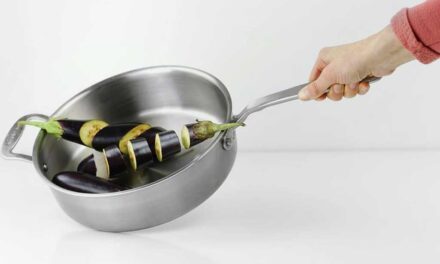
- Vegetable drainers
Buying Guide: Dish Racks, Bins, and Stands
There’s nothing like a wall-mounted utensil rack to help organize your kitchen and keep your utensils within reach when needed.
They come in all sorts of designs and styles, but the key consideration is that it should be easy to place or hang your favorite utensils when they’re not in use.
- What Are the Benefits of Wall-Mounted Utensil Racks?
Wall-mounted utensil racks are a great way to expand your kitchen’s storage capacity. It’s always good to have the right utensil for the job,
but finding space for everything in a well-equipped kitchen can be challenging. Even in this era of decluttering, having the right tool for the task makes things easier. Wall-mounted racks and keeping versatile items in easy reach are essential to having what you need when you need it, without searching through a bottom drawer or the back of a cabinet.
Key Purchasing Considerations for Your Kitchen Dish Racks
There are many dish drying racks on the market that are easy to purchase. That said, there are still a few things to consider beforehand.
You’ll want to weigh the best design options that fit your kitchen sink and determine the size, material, and accessories that will make dishwashing and drying faster and easier.
- Countertop or In-Sink Design
To choose the best design for your dish rack, consider your kitchen sink and surrounding counter space. If you have a square section of counter space right next to your sink, that could be the perfect spot for a countertop dish rack.
This freestanding unit is easy to select, move, and store, requiring no installation and minimal setup. A rack behind the sink, also known as an over-the-sink rack, is designed to sit on the counter space behind rather than beside your sink.
To set this up properly, you must measure carefully and ensure you have at least one foot of clearance behind your kitchen sink.
- If You Have a Double-Basin Kitchen Sink
An in-sink rack reduces countertop clutter. This type of rack fits into the smaller basin of the sink, using coated wire handles that rest on the sink’s edge. Drainage is no longer an issue, as wet dishes drip directly into the sink.
A potential downside is the inconvenience of lifting and removing the rack when you need to use the entire sink. In-sink racks are also smaller than countertop models, helping to save space in your kitchen.
- Size
While each brand makes racks to different specifications, you can generally find dish racks in three major size categories:
- First Category
Compact racks are perfect for small countertops, apartments, and even dorm rooms. For countertop racks, expect to use about a foot or more of space next to your sink. Look for dimensions around 36 x 57 x 15 cm or smaller. In-sink racks are excellent options for small kitchens, typically measuring around 39 x 24 x 15 cm.
- Second Category
Classic racks are suitable for medium-sized kitchens with enough countertop space next to the kitchen sink. They come in a range of sizes between 36 x 57 x 15 cm and 54 x 36 x 39 cm. Measure your counter space before purchasing, and look for a rack that folds and stores easily.
- Third Category
Large-capacity racks measure around 54 x 36 x 39 cm. They often come with additional accessories and expandable trays for even more drying space.
The racks behind the sink are even larger, measuring 108 x 36 x 93 cm or more. These drainers use both vertical shelves and horizontal stacks to store and dry more dishes.
- Material
You will find drainers in the following types of materials or a mix of metal and plastic parts.
- Stainless Steel
The advantages of stainless steel include durability and, in most cases, rust resistance. However, if stainless steel is exposed to too much moisture or humidity, it can still rust. So be sure to wipe your rack after heavy use. Most high-quality drainers are made of stainless steel, which contains both nickel and chrome. These metals enhance the rust resistance of stainless steel and are common in kitchenware. Expect to pay 40 to 50 euros for a good-quality stainless steel drying rack.
- Vinyl-Coated Wire
An alternative to stainless steel is vinyl-coated wire. The vinyl coating helps protect your dishes and utensils from scratches. It is also rust-resistant and easy to clean. Vinyl-coated racks should be cheaper than stainless steel. You can find sturdy units for around 20 euros.
- Plastic
Typically, drainers are not entirely made of plastic but rather contain plastic accessories like utensil or knife holders. Plastic is lightweight, does not scratch your kitchenware, and is easy to disinfect with soap and water or a cleaning spray. It also does not rust.
- Bamboo
For a 100% sustainable material, bamboo drainers are also affordable and easy to maintain. Simply wipe with a bit of food-grade oil from time to time to preserve the wood grain and the integrity of the material. Bamboo also has antimicrobial properties, resists odors, and does not rust.
Additional Features and Setup
Most drainers come with a separate compartment for storing utensils and knives. Luxury drainers may also have expandable drying trays, a microfiber mat, cup holder accessories, and various drainers.
All of these allow you to set up a drainer according to your needs. Most shelves require little installation or configuration, although you should measure carefully, especially for an in-sink or behind-the-sink shelf, to ensure your space requirements match.
How to Clean Your Kitchen Drainer?
An essential tool for dishwashing or dish storage, your dish drainer requires some care and maintenance to keep your dishes clean and dry. Constantly in contact with dishwater, dishes, and kitchen utensils of varying cleanliness levels, dish racks can promote mold and other stains. For tips on how to clean a drainer (it’s easy!), follow the steps below.
Cleaning a dish drainer is similar to cleaning a dish. There are four easy steps.
- What You’ll Need
- A small scrubbing brush or toothbrush
- Dish soap
- Hot water
- A cloth
Step 1: Disassemble
If possible, take your drainer apart for easier cleaning.
Step 2: Scrub
Standing over your kitchen sink, wet your scrubbing brush or toothbrush with hot water. Add a small amount of dish soap and gently scrub stains to remove them. Make sure to scrub the entire rack, not just the stained areas.
Step 3: Rinse
Make sure to rinse off all the soapy water and inspect your drainer for any stains you might have missed.
Step 4: Let It Dry Completely
If your drainer is metal, dry it manually with a cloth or absorbent towel to prevent rust. Drainers made of other materials can be left to dry in the sink or on a drying mat.
If your drainer is plastic or metal, you can put it in the dishwasher. Read the manufacturer’s instructions to ensure it is dishwasher safe.
Note
If your drainer has tough stains, try this method before following the basic cleaning instructions above. Use vinegar, which is much milder than many store-bought disinfectants, including bleach.
- What You’ll Need
- White vinegar
- A sink or large bucket
- A scrubbing brush
- A cloth
Step 1: Fill Your Sink with Hot Water and Vinegar
Fill your sink or large bucket with water and a cup of vinegar. There should be enough water to fully submerge your drainer.
Step 2: Submerge Your Drainer and Soak It
Ensure the entire rack is submerged. Leave it to soak in warm water for 15 minutes to half an hour.
- Step 3: Drain and Scrub
The vinegar should have dissolved enough buildup on your rack to wipe it off easily. Use your scrubbing brush to clean as usual following the instructions above.
Step 4: Let It Dry
Allow your drainer to dry completely before using it. If your drainer is metal, dry it with a cloth to prevent rust. Dish racks made of other materials can be left to dry in your sink or on a drying mat.
NB: Wooden and bamboo drainers require a bit more care when cleaning. Instead of submerging them, spray them with the vinegar solution above and let them sit for about 15 minutes.
Before wiping them down, rinse, and dry them completely. Let them dry in the sun to more effectively prevent mold formation.
How to Prevent a Dish Drainer from Rusting or Molding
The best method to prevent mold and rust from forming on your drainer is to clean it regularly and always ensure it is completely dry after use.
Cleaning your drainer once a week will minimize mold and bacteria growth and keep your rack looking new. Rust forms when metal comes into contact with water, so the faster you can dry water spots on your rack, the lower the risk of rust.
It is important to be careful when handling sharp objects and kitchen utensils around a metal or vinyl-coated metal drainer, as scratches are more likely to trap excess water and promote rust.
If your drainer has small rust spots, you can dry the area and gently wrap it with electrical tape to prevent the rust from spreading. If rust has formed at a joint or has started corroding the metal, it may be time to remove your drainer and purchase a new one.