


Keep your meals hot with the best food warmer!
What is a food warmer?
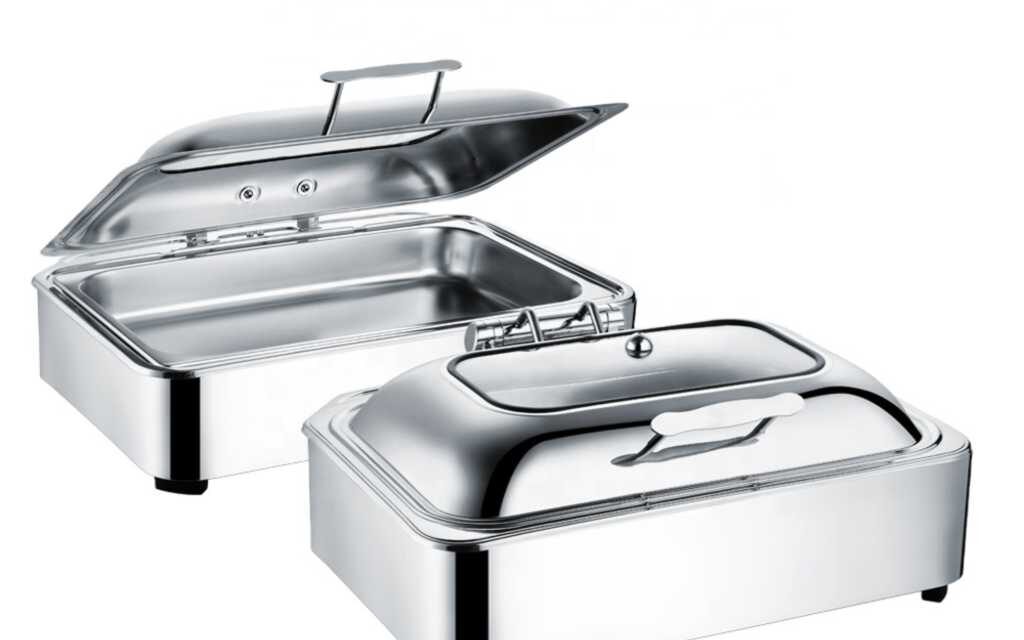
Used for heating plates, culinary preparations, liquids, and many other things in the kitchen. The food warmer is a table utensil.
These kitchen heating plates come in different sizes. So, regardless of your kitchen space, you can surely find a food warmer that suits your kitchen.
The importance of food warmers in commercial kitchens
Daily tasks in most commercial kitchens can be daunting and exhausting, especially for those who have to do everything just to keep the kitchen running smoothly. It is important for you to check the quality.
And the freshness of each meal will always be present. At the same time, common problems, as well as issues regarding the perfect balance between the two mentioned qualities, can also arise unexpectedly.
Cleanliness, hygiene, and other related qualities must also be maintained. Some meals tend to last a long time, while others have only a limited time before they completely spoil. And to address this latter issue.
Commercial kitchens must always provide the right temperature just to preserve the quality and freshness of food. Food warmers are one of the tools that most commercial kitchens use.
Food warmers are tabletop appliances that maintain the serving temperature of a prepared meal. The use of food warmers in commercial kitchens is important for the following reasons:
- Keeps food fresh and hot
As their name suggests, food warmers are designed to maintain the proper serving temperature of food products and meals. Without these kitchen elements, commercial kitchens might struggle to maintain the quality of their prepared dishes.
They may even be forced to recook or reheat food just to prevent it from spoiling, which consequently sacrifices the taste and flavor of the food. Freshly prepared dishes have the perfect flavor and taste for an immediate and perfect tasting experience.
But since commercial kitchens must constantly prepare and cook meals, the temperatures of their freshly prepared dishes must be maintained at the optimal serving temperature.
Fortunately, food warmers can easily maintain the temperature of meals even if they were cooked hours ago. Having hot food ready for consumption can certainly provide a tantalizing experience for customers.
- Facilitates the cleaning process
To date, several types of food warmers can be purchased and used by commercial kitchens. Some of them include countertop warmers, plate warmers, food warmers, drawer warmers, steam tables, heated displays, and bun warmers.
Most of these mentioned types of food warmers are made from materials that can be easily cleaned and disinfected. The time spent setting up and cleaning food warmers is shorter compared to other kitchen utensils and products.
After use, commercial kitchen staff can easily clean them using a damp cloth along with a mild detergent. Once the food warmers are wiped with the said solution.
They should be rinsed with a damp cloth and then dried with a clean, non-abrasive cloth. Clean food warmers not only make your kitchen look nice but also provide customers with the necessary safety and reassurance.
- Prevents food safety issues
Another important aspect of food warmers is that they can easily prevent food safety issues. Food warmers can readily provide the optimal serving temperatures for meals that will be served to customers.
Therefore, food warmers can be easily cleaned, allowing meals to be placed in a clean and sanitized storage area. These two aspects help ensure that food remains free from foodborne illnesses.
Which primarily develop in cold and dirty environments. Additionally, most materials used in food warmers prevent bacteria and viruses from penetrating their surface even when food sits for a long time before consumption.
Commercial kitchens with food warmers enable them to keep meals well-preserved even hours after cooking. Moreover, these food warmers can easily ensure the cleanliness and safety required to attract and satisfy more and more customers.
The different types of food warmers
When thinking about food warmers, one usually considers those used for commercial or residential purposes. However, there is a variety of food warmers (and warming devices in general) that can help equip any catering or food service business. There are many types. Here are a few categories:
- Countertop warmers
Countertop warmers are perfect for keeping small portions of food warm and are one of the most common types used in homes. They come in the following varieties:
- Rectangular food warmers
- Round food warmers
- Soup kettles
- Heated shelves
- Rice warmers
- Food warmers
- Heated banquet and transport carts
These types of warmers are definitely designed for catering on the go. They are built to hold between 9 and 36 pans of food. These are portable food warmers! So, even if the event runs late, that doesn’t mean the food has to get cold.
- Plate warmers
Just like a cold bench can make you shudder when you sit on it, a cold plate can make an entire meal unpleasant. Restaurants love using plate warmers to ensure food stays warm throughout the meal.
Meanwhile, home cooks love using them to keep holiday meals warm, even if they are the last ones to go through the buffet line.
- Overhead food warmers
Heat lamps and warming strips are commonly used to keep food warm for a short time. Other common uses for food warmers include carving stations and buffet service. There are even stylish hanging heat lamps for food lines that are visible to the public.
- Drawer warmers
These types of warmers are the multitaskers of the kitchen when it comes to keeping food warm. They can be used to keep bread and rolls at the right temperature throughout dinner service or to keep any other type of food warm until it is ready to be served.
- Proofing and Holding Cabinets
Similar to heated banquet and transport carts, these types of warmers come in both compact and large sizes. However, the main difference is that they also help with dough proofing, making them perfect for bakeries and delis.
- Heated Dispensers
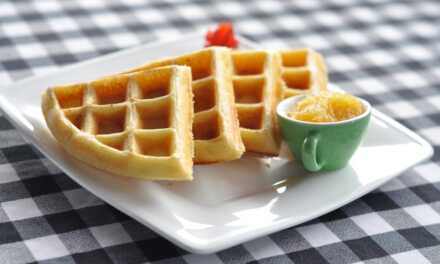
Heated dispensers scream snack food! They are perfect for toppings like cheese, chili, and butter. There are also syrup warmers to ensure that pancakes and waffles don’t get cold when covered with sticky toppings.
- Steam Tables
From large buffet tables (some even portable) to smaller steam tables perfect for small gatherings, this variety of warmers is the go-to product for restaurants and homes that love showcasing their culinary skills.
- Heated Merchandisers
These types of warmers are used to keep food warm while attractively displaying it to guests. They include pizza, pretzel, nacho, and soup warmers, as well as large display cases.
- Bun Warmers
Nothing beats the smell and taste of a warm bun accompanying a hot dog. These bun warmers are the perfect companion for keeping all types of buns warm and can hold anywhere from 24 to 64 buns at a time.
- Towel Warmers
Towel warmers are more commonly used in Japanese-style restaurants to enhance the customer experience.
How to Make the Most of Your Food Warmer?
Many modern homes have a stove with a warming drawer, but this often comes as a surprise to many stove owners. In many cases, homeowners use this small appliance under the oven to store baking sheets or pans. However, a food warmer is much more than just a storage space. Here, we will explore how to best use your warming drawer.
- Warm Your Dishes
Serving hot meals on cold plates is simply asking for a lukewarm meal. Using a warm plate will help keep your food hot while preserving its flavors and consistency.
A warming drawer allows you to keep your bowls and plates nice and warm. In cold weather, you can even keep your cups in the warming drawer so that your morning coffee or tea is even cozier.
- Save a Missed Meal
Whether the kids’ soccer practice ran late or you had to drop everything to run to the store before it closed, you don’t have to let your meal go to waste. Sometimes, family meal plans don’t go as expected, but that doesn’t mean you have to settle for a cold meal that has been sitting out.
Simply place your pot, serving dish, or slow cooker in the warming drawer, and your meal will stay fresh and ready to eat for the rest of the evening.
- Make Food Preparation Easier
Family gatherings and holiday parties can mean spending hours in the kitchen preparing delicious treats. Timing multiple dishes perfectly can be a bit tricky.
After all, you don’t want your soup to get cold while your meat is still roasting in the oven. A warming drawer can provide the perfect solution. Instead of struggling to prepare all your dishes at the same time or letting them cool on the counter.
You can ensure that your finished dishes stay warm until they are ready to be served. This can help ease the stress of perfect timing and impress your guests with your culinary skills.
- Achieve Perfect Dough Rising
If you love the idea of making homemade pizza or freshly baked bread, a food warmer is a fantastic tool in your kitchen arsenal. Instead of taking up counter space and worrying about room temperature.
You can place your dough bowl in your warming drawer along with a container of warm water. This not only prevents contamination or your dough being compromised by curious pets on the counter.
But it also allows you to maintain a more consistent temperature for better rising. A warming drawer will also let you preheat your oven, ready to bake your bread or pizza base to perfection.
- Warm Towels
The benefits of warming drawers shouldn’t be limited to the kitchen. If you love the idea of warm towels, slippers, or robes, you can have a warming drawer designated for one of the rooms in your home. This can help you feel warm and cozy even on the chilliest days. After your bath, make sure to check.
That your warming drawer is labeled as suitable for bathroom use before trying to warm your towels. Warming drawers designed for kitchens often get too hot to safely warm fabric.
A warming drawer opens up a world of possibilities in your home. Whether accommodating a busy schedule or making you feel more comfortable in cold weather, a high-quality warming drawer can make life much more convenient.
If you’re considering upgrading your oven to include a warming drawer, you can explore your options with an online collection or speak to an appliance specialist for additional help and advice.
Tips for Choosing the Right Food Warmer for Your Commercial Kitchen
From comforting holiday meals to year-round sauces, a quality food warmer is a key element in a busy kitchen. To keep your restaurant efficient and fast-paced, you’ll need a good one.
Despite its simple concept, many small details go into a food warmer. Choosing one with the wrong capacity or inconvenient material can be costly. No need to worry—we have plenty of guidance to help with all your commercial kitchen equipment needs.
Here are 10 things to consider before purchasing your next food warmer.
- The Right Capacity
The biggest appeal and primary purpose of a food warmer is to serve your sauces and dishes all day without having to prepare each plate to order. They achieve this through efficient space usage and consistent heat. Regarding space efficiency…
You need to measure the amount of each item you will serve at any given time. If you have a popular dish that you serve all day, a large container for that dish will be good. If that same dish is only for dinner, a smaller one works. Each type of food warmer will have different configurations.
And will come with different slots. For great variety, a multi-space setup with split pans may work. For smaller items, round inserts may be a better solution.
- Thermostats and Rheostats
The second most important element for food warmers is, of course, heat. This can be a bit more complicated than just turning it on and going. The two types of heat control are thermostats and rheostats.
Thermostats have their own temperature ranges, and you can adjust them gradually. Rheostats only use output, so they have low, medium, and high settings. Most prefer thermostats because they provide more control. When a dish is running low,
you don’t want to burn it. So the temperature should change as the space in the container increases. Also, avoid outdated technologies like heat lamps.
They work well for a few minutes, but concentrated heat has a similar effect to the rheostat. You want an even distribution of heat to avoid burning and cooling spots.
- Additional Dispensing Options
The common dispensing option is a simple ladle. It’s simple, but it can be hard to manage. The dinner rush will only make things worse. While you can always add extra utensils,
some food warmers even come with other dispensing methods. Some can interface with pumps, while others have extra lids and containers to distribute appropriate portions.
- Location and Mobility
Food warmers are often installed in a specific part of the kitchen and left there. For many, this works well. For some, you may need other options. If you rent a kitchen or need to change setups often, you want a mobile food warmer. It can even be its own station on wheels. On the other hand, you may want to use a small setup and have a portable food warmer that you can place on any countertop and plug in. Size matters!
- Electric Efficiency
A food warmer will run from the start to the end of cooking. As such, it can drain a lot of electricity. Several brands and models may have energy-saving options. Some can store heat and maintain it when turned off, or they may have an efficient battery.
- Induction Power
A simple plug-in and heat-up is just one form a food warmer can take. There are other options available. Induction is one of the most significant alternatives that has gained popularity.
Induction is an excellent green alternative to gas or electricity. While it was first used as a replacement in stovetops, it also works well in food warmers.
Induction has great natural energy efficiency. It converts 99% of the energy it produces into heat used for your food warmer.
- Material Cleaning
When everything is finished and the day ends, cleaning can be tough. The less you need to worry about cleaning, the better, and a quality material in your food warmer containers can help.
Stainless steel is the clear winner here. Capable of withstanding high heat and being easy to clean, the material lives up to its name. Make sure your food warmer is made of pure stainless steel. Cheaper versions may have lower-quality materials.
- Glass Containers
Glass can be another material that helps you make good use of your food warmers. Quality glass can handle heat well, and with the right preparation and care, it can be easy to clean.
The biggest advantage a glass container provides is transparency. Keeping an eye on food warming is an absolute necessity. You need to ensure the temperature is right.
It is easier to avoid food being too cold or too hot if you can see it. Even a simple glass door or lid can help you check the warming station at a glance.
- A Quality Warranty
The last thing you’ll want to check is the warranty. Buying second-hand can be risky because wear and tear can be tough on a food warmer. A brand-new food warmer will also come with a solid warranty.
A lot of hectic things can happen in a kitchen. What might be a simple accident could cause severe damage to your food warmer, and without a warranty, this can be a costly expense.
Keeping Your Food Warmer and Your Kitchen Fresh
Whether it’s finding the best food warmer or perfecting a recipe to impress your customers, there’s a lot that goes into creating a perfect restaurant. Catering is a constant effort to deliver the best you can offer.