












Buying guide: which hand mixer and blender should you choose?
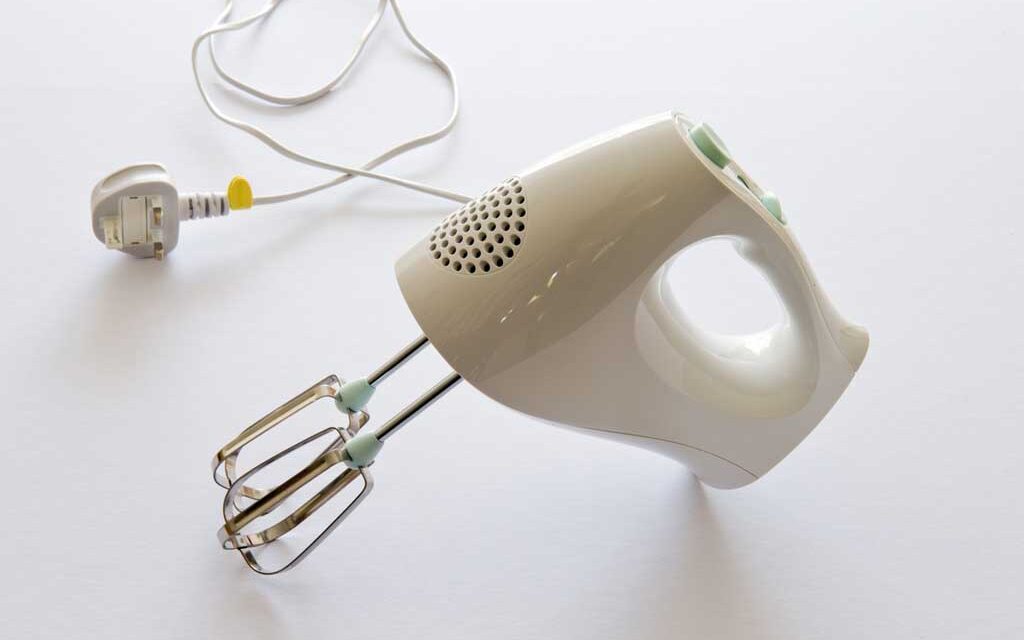
Hand Mixer and Blender
The Hand Mixer and Blender: What is it?
A kitchen utensil with multiple names, including blender, electric whisk, mixer, or hand mixer. The hand mixer and blender is a tap-like device used to beat, mix, or whisk ingredients in the kitchen.
The kitchen hand mixer and blender is the most common appliance in kitchens due to its use for mixing ingredients for baking, cooking, or other purposes. This equipment also allows you to make dough and fruit juices.
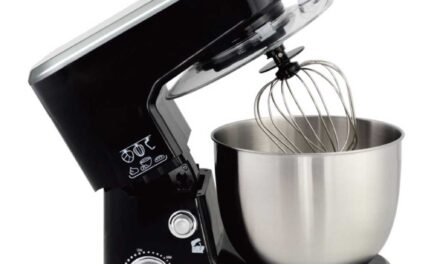
The basic function of a kitchen mixer is to blend ingredients one at a time to achieve a homogeneous liquid state. This type of equipment has a bowl with a whisk, which is used to whip the mixture. Some kitchen mixers also have a hook that can be attached to the top of the mixing bowl.
How Does a Hand Mixer Work?
To use a hand mixer, you first need to plug it in and attach two balloon whisks. Place the mixer into your bowl of ingredients and select the desired speed setting. Turn it on by pressing a switch.
The whisks start spinning due to an electric motor inside the device. The whisks mix, beat, or whip the ingredients, depending on your selected speed.
They also incorporate air into your ingredients, giving them a “fluffier” texture. You often move the bowl while using your mixer to ensure that every ingredient is well blended.
Why Buy a Kitchen Hand Mixer and Blender?
A kitchen hand mixer and blender is a highly valued machine among home cooks because it allows you to create fantastic recipes. However, choosing the right one can be difficult, as many claim to be the best.
These machines can quickly mix large quantities of food, reducing the time needed to prepare other dishes. They are ideal if you are a baker and want to make cakes.
Whatever your needs, there is surely a type of commercial hand mixer and blender that will suit you. Before purchasing your next kitchen gadget:
You should make a list of everything you want it to be able to do, then determine the storage space available. Considering these two factors before buying will help you make a more informed choice when deciding to add one to your kitchen utensils.
What Are the Different Types of Hand Mixers and Blenders on the Market?
While it is entirely possible to prepare most dishes without a mixer, why bother? With a hand mixer and blender, you can save time on several of your favorite recipes.
You may even find yourself experimenting with new foods you hadn’t thought of preparing before. And unless you are particularly meticulous when stirring ingredients by hand, a hand mixer and blender will almost certainly result in better textures and consistency for most things you make.
For anyone who cooks regularly (and even for many who don’t), kitchen mixers are the kind of item you think you can live without—until you get one. Once you’re used to having one, the idea of going back to mixing everything manually seems crazy. This means there are two main categories of consumers for mixers:
- Those buying a mixer for the first time and not really sure what to look for.
- Those looking to replace a beloved mixer that recently stopped working.
No matter which category you belong to, our buyer’s guide to hand mixers and blenders should serve as a helpful guide to give you a clear idea of the types of options available on the market and which one is right for you.
Types of Hand Mixers and Blenders
The first decision you need to make when choosing the right mixer is which of the two main types to use.
- The Hand Mixer
If affordability or finding a mixer that doesn’t take up much space is your priority, hand mixers are likely the best option.
They have a simpler design than stand mixers, can usually fit easily into a kitchen drawer, and tend to be more affordable. You have two choices with hand mixers:
- Electric hand mixers
- Rotary hand mixers (sometimes called egg beaters)
With rotary models, you use a lever to perform the mixing. With electric hand mixers, all you have to do is hold the mixer in place while the movement happens automatically.
This usage provides convenience, making your preparation time much more enjoyable. Hand mixers fall firmly in the middle ground—they offer some ease in mixing your ingredients but require more effort and time compared to using a stand mixer.
Advantages
- Hand mixers are more affordable.
- These kitchen mixers take up no counter space.
- The device is quick and easy to clean.
- You have the flexibility to use a bowl of your choice.
What Should You Keep in Mind?
- Hand mixers require some manual effort.
- They are usually not as fast or thorough as stand mixers.
- These mixers tend to be somewhat messy.
- Stand Mixers
Stand Mixer and Hand Mixer
What is a stand mixer and hand mixer?
A kitchen utensil with multiple names, including blender, electric whisk, mixer, or stand mixer. The stand mixer and hand mixer are essential kitchen tools used for beating, mixing, or whisking ingredients.
The stand mixer and hand mixer are among the most common appliances in kitchens. They are widely used for mixing ingredients for baking, cooking, or other culinary purposes. This equipment also allows you to make dough and fruit juices.
The basic function of a kitchen mixer is to blend ingredients one at a time until they reach a homogeneous liquid state. This type of equipment comes with a bowl and a whisk, which is used to whip the mixture. Some kitchen mixers also include a hook that can be attached to the top of the mixing bowl.
How does a hand mixer work?
To use a hand mixer, first plug it in and attach the two balloon whisks. Place the mixer into your bowl of ingredients and select the desired speed setting. Turn it on by pressing a switch.
The whisks start rotating due to an electric motor inside the device. They mix, beat, or whisk the ingredients depending on the speed you choose.
The whisks also incorporate air into your ingredients, giving them a fluffier texture. You often move the bowl while using your mixer to ensure that all ingredients are well mixed.
Why buy a kitchen stand mixer and hand mixer?
A stand mixer and hand mixer are highly valued kitchen appliances for home cooks as they allow you to create fantastic recipes. However, choosing the right one can be difficult, as many claim to be the best.
These machines can quickly mix large quantities of food, reducing the time needed to prepare other dishes. They are ideal if you are a baker and also want to make cakes.
No matter your needs, there is surely a type of stand mixer and hand mixer that will suit you. Before purchasing your next kitchen gadget, you should make a list of everything you want to do with it and determine the storage space available. Considering these two factors before buying will help you make a more informed choice when deciding to add one to your kitchen utensils.
What are the different types of stand mixers and hand mixers on the market?
While it is possible to prepare most things you want to cook or bake without a mixer, why go without one? With a stand mixer and hand mixer, you can save time on many of your favorite recipes.
You may also find yourself trying new foods you wouldn’t have thought to prepare before. Unless you are particularly diligent when stirring things manually, a stand mixer and hand mixer will almost certainly provide better textures and consistency for most of your creations.
For anyone who cooks regularly (and even for many who don’t), kitchen mixers are the kind of item you think you can live without—until you own one. Once you get used to having one, the idea of manually mixing everything again seems crazy. This means there are two main categories of mixer buyers:
- Those buying a mixer for the first time and not really sure what to look for.
- Those looking to replace a beloved mixer that recently stopped working.
No matter which category you fall into, our buyer’s guide to stand mixers and hand mixers should serve as a helpful resource to give you a clear understanding of the options available on the market and which one is right for you.
Types of Stand Mixers and Hand Mixers
The first decision you need to make when choosing the right mixer is which of the two main types to use.
- Hand Mixer
If affordability or space-saving is your main priority, hand mixers are likely the best choice.
They have a simpler design than stand mixers, can easily fit in a kitchen drawer, and are typically less expensive. You have two choices with hand mixers:
- Electric hand mixers
- Rotary hand mixers (sometimes called egg beaters)
With rotary models, you use a lever to mix manually. With electric hand mixers, you simply hold the mixer while the movement is automated.
This provides ease of use, making your preparation moments more enjoyable. Hand mixers fall firmly in the middle—offering convenience in the mixing process but requiring more work and time compared to a stand mixer.
Advantages
- Hand mixers are more affordable.
- These kitchen mixers take up no counter space.
- Easy and quick to clean.
- Allows you to use any bowl of your choice.
What should you keep in mind?
- Hand mixers require some manual effort.
- Usually not as fast or thorough as stand mixers.
- Tend to be somewhat messy.
- Stand Mixers
Typically, when someone says they can’t live without their mixer, they’re referring to stand mixers. Stand mixers make the process of cooking or mixing much easier.
They are especially useful for baking thick doughs like bread or pizza dough, or for recipes that require more delicate mixing, such as making meatballs. Stand mixers generally come with a large mixing bowl.
They also include several attachments designed for specific mixing tasks. For example, you would use a different attachment to make meringue than you would for making bread. Because stand mixers are stationary, you can start mixing and leave it running while gathering other ingredients.
For recipes that require adding ingredients while mixing—an almost impossible task for one person without a mixer—stand mixers make it effortless. One of the main downsides of a stand mixer is its size and weight.
If you don’t have enough counter space to keep it out, you might hesitate to lift a heavy stand mixer in and out of a kitchen cabinet.
Advantages
- Stand mixers are more powerful than hand mixers.
- They mix faster and more thoroughly.
- Since they are stationary, you can start mixing and move on to other tasks.
Typically, stand mixers come with (or allow you to purchase) different attachments designed to achieve the best results for various types of mixing. Some stand mixers can be used to make pasta, ravioli, juice, sauces, ice cream, or even grind grains.
What should you keep in mind?
- This type of mixer is more expensive than hand mixers.
- Takes up significant space.
- Requires more kitchen storage.
- Sometimes difficult to clean.
For dedicated bakers, there’s really no reason to choose between the two. You can invest in a stand mixer while also knowing that hand mixers are very convenient.
Hand mixers provide ease of use and allow you to handle minor mixing tasks rather than having to take out and clean the stand mixer for every recipe.
How does a stand mixer work?
A stand mixer works similarly to a hand mixer, except that you attach a bowl (often a stainless-steel bowl) and don’t need to hold the mixer.
After securing the bowl to the mixer, you add the preferred attachment (such as a dough hook for bread ingredients) and select the desired speed setting.
Then, you flip the switch, and a powerful motor will spin the attachment. Let it run as long as needed. You may need to scrape the attachment during mixing, especially when too much dough sticks to the hook.
How does a hand mixer work?
To use a hand mixer, first plug it in and attach two balloon whisks. Place the mixer into your bowl of ingredients and select the desired speed setting.
Turn it on by pressing a switch. The whisks start rotating due to an electric motor inside the device. They mix, beat, or whisk the ingredients depending on the speed. They also incorporate air into your ingredients, making them fluffier. You often move the bowl to ensure thorough mixing.
For some, this could be a deciding factor in itself. For a stand mixer, you want to aim for the opposite. The heavier a stand mixer is, the more stable it will be while mixing. On one hand, you want it to be solid and sturdy. So that it does not bounce on the counter.
On the other hand, you want to be able to handle it. If you keep your stand mixer on the counter, weight may be a minor concern. If you need to take it out of a cabinet every time you use it, you should opt for a model that is not too difficult to lift.
If taking it out is a major inconvenience each time, you may not use your mixer enough to justify the investment. As a general rule, mixers of at least 20 kg will do the best job of staying stable while mixing thick dough. With lighter models, you may notice some movement around the counter, so you will need to keep an eye on it.
- Speed settings
Different types of food require different mixing speeds. Most hand and stand mixer models offer multiple speeds, usually ranging from 3 to 12 different options. All mixers should have a “slow start” setting.
This makes it easy to add ingredients like flour to the mix without creating a big mess. For most existing models, these work with settings that ensure proper speed functionality. Many bakers can manage as long as they have at least three speed options.
But if you are particularly ambitious and want to bake with absolute precision, the more active the mixer model is in terms of speed, the higher the costs you should expect.
- Size
You have two main considerations regarding size:
- How much space do you have in your kitchen?
- How much food do you hope to prepare in your mixer?
Hopefully, the answers to these two questions can work together so that you do not have to sacrifice one for the other.
You can find a wide range of sizes on the market. Prices for these appliances will reflect different models and their sizes. If you often cook for large groups and have enough space.
Investing in a larger kitchen mixer will likely make your life easier, at least enough to make the cost worthwhile. If you mostly cook for your small family, you can probably get by with a small to medium-sized model.
- Attachments
What you can do with a stand mixer expands as you invest in more attachments. If you are looking for inspiration to try creating new foods.
You can take advantage of the different accessories available for your mixer. Most kitchen mixers come with the three most standard attachments:
- Dough Hook: This is the C-shaped or spiral-shaped attachment used for making anything that requires kneading, such as bread and pizza dough.
- Wire Whisk: Sometimes called a balloon whisk, the wire whisk is used for whipping.
- Flat Beater: The flat beater will be the most commonly used attachment for most bakers. It is ideal for cookie dough recipes and mashed potatoes.
- Design
You can stick with a simple white or black mixer or buy one that adds a touch of color to your kitchen. Whatever your design preferences.
You should have no trouble finding many color options for your mixer. Many major brands offer a range of colorful choices.
- Ease of cleaning
Hand mixers score points in this category for being much easier to clean than stand mixers. With stand mixers, you end up with many different parts to clean.
Many of them need to go in the dishwasher, but others will have to be washed by hand after each use. Depending on the type of mixer you buy, you may also need to wash your bowl by hand.
And you will want to wipe down the rest of the machine with a damp cloth to keep it clean after each use. You should expect a similar level of maintenance for most stand mixers.
However, some mixers are more difficult to handle and clean than others. Reviews often give you an idea of which mixers will be more troublesome to clean.
- Noise level
Kitchen mixers are going to be loud anyway. Manual rotary beaters have less noise. However, you should expect sound effects from electric mixers. Some models are worse offenders than others. So, if you are highly sensitive to noise, you should consider this point when shopping.
Maintaining Your Kitchen Mixer
The simplest way to clean your mixer is with warm water and soap. Remove all attachments and make sure to clean the spring and pin on your attachments. These can get clogged with food.
Especially if you started the machine at a high setting and splattered your dough. If you find it difficult to attach accessories, you should put a little oil on the spring and pin, move the spring up and down a few times, and you are good to go.
Maintenance of Your Mixer Accessories
Some of your attachments are coated and can be put in the dishwasher. They are white, like the flat beater and the dough hook. Unless you have purchased a stainless steel whisk with the bowl mixer.
You will need to hand wash your whisk. Otherwise, they will end up covered in black gunk. These accessories are made of aluminum, and washing them in the dishwasher causes oxidation, which results in that unpleasant black substance.