














Juicer selection: Find the right one for you!
Juicer
Juicer: The Small Kitchen Appliance
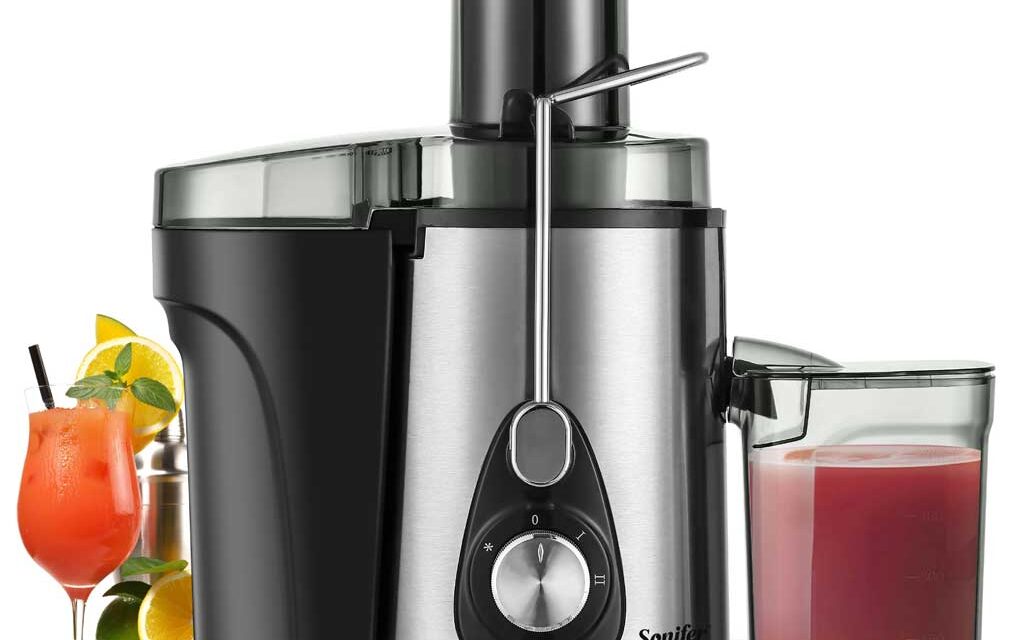
An electrical device used in the kitchen. The juicer, equipped with a sieve, extracts juice from fruits and vegetables through rapid rotation. It is therefore a kitchen appliance increasingly used in homes and other places.
Because it is affordable and easy to use. Simply drop the fruits and vegetables into the feed tube, where they hit a fast-spinning blade rotating at 6,000 to 14,000 revolutions per minute (RPM) to shred the produce into juice.
Nowadays, most juicers have multiple functions. Some juicers have high output power, allowing you to quickly extract large amounts of juice. There are also high-speed juicers that perform multiple tasks.
Such as slicing, chopping, and mincing—all in one motion. If you have more than one fruit tree in your garden or if you regularly make and use a lot of fresh produce, this appliance would be a great addition to your home. You can be sure that a quality juicer is worth its price.
How a Juicer Works: A Simple Guide to Understanding It
Many people wonder how this fruit and vegetable extractor works. It is a very common question among those considering purchasing a juicer for their home or office.
There are many benefits to owning a juicer, and this article will highlight some of them. To begin with, the juices produced by these devices are pure and nutritious. Even though they are extracted from vegetables and fruits using a rough or metallic gadget, the nutrients still reach your system.
Secondly, a juicer can help with weight loss. Since vegetables and fruits are foods that contain a significant amount of fiber, they give you the ability to lose weight by making you feel full even with small portions of food.
The enzymes present in these foods can also speed up your metabolism, helping you burn more calories faster. Finally, these fruits and vegetables are low in calories and therefore do not add to the weight you are trying to lose. This is what makes consuming these types of foods healthy.
To understand how a fruit and vegetable extractor works, you first need to know what it is used for. Essentially, a juicer is an electrical appliance with a pulp collector that gathers solid waste. Afterward, the pulp is ground and transformed into a drink.
However, you can make juice from all types of fruits and vegetables, as long as they are cleaned before use. If you want to maximize the nutrients from your fruits and vegetables, make sure they are thoroughly washed before using them.
Why Buy a Juicer?
It seems that everyone is into juicing nowadays, and if they’re not, they’re certainly getting into it. However, juicing offers many benefits beyond just having a tasty drink. If you want to know why you should buy a juicer, it’s time to take a look at the various advantages of juice extraction and determine whether it could benefit you or your family.
The appliance is an excellent way to provide your family with fresh, nutritious juices throughout the day, which can be much healthier than any type of processed juice you find in stores.
When making fresh juice from your own kitchen vegetables, there are important factors to consider. First, the types of vegetables you use are very important. Even though it’s called a “juicer,” you need to use specific types of vegetables for it to be effective.
The vegetables you use should be bright green, preferably citrus, for better taste, ensuring they contain the nutrients you’re looking for and are easy to extract.
Some fruits and vegetables do not mix well, which is why juicers can get clogged and need frequent replacement. Another reason why it is important to juice the right type of fruit is that some juices are not as good as they seem. It’s important to juice the fruits and vegetables you enjoy so that you can drink the juice you actually want.
Instead of always drinking juice that seems to have come straight out of a carton, there are many reasons why you should buy a juicer. Beyond all these benefits, you should know that a juicer saves you time and is also easy to handle. But most importantly, you will find that you love the juices made with this electric appliance.
How to Use a Juicer?
Learning how to use a juicer will help you get the maximum nutrients from your produce. Additionally, it can be a fun activity for children to learn how to use a juicer and enjoy the fruits and vegetables they love most.
This is especially true if you are hosting a gathering at home. When everyone tastes the same thing, it can really open their eyes to what is missing from their diet and enhance their appreciation for the foods they enjoy.
Generally, juicers consist of at least three parts. There is the juicer itself, the pulp extraction unit included with the juicer, and the feed tube connected to the juicer. The main compartment of the juicer includes three parts:
- The blade,
- The pulp,
- The food.
The blades are used to cut the vegetable evenly so that the pulp contains the same amount of fiber as the rest of the produce in the juicer. The pulp contains large amounts of vitamins and minerals that will be transferred to the juice extractor for consumption.
The feeders connect to the fruit and provide the necessary suction to draw all the nutrients into the extractor. The last part is the tube, which is connected to the juicer to prevent fruits from falling on the floor or everywhere.
Once the fruits and vegetables are extracted, the pulp and feeder are connected by tubes to be disposed of properly.
It is important to remember that a juicer is only as good as the person using it. So, make sure to choose the right juicer for the type of produce you plan to juice.
Difference Between a Centrifuge and a Juicer
To get delicious juice from your favorite fruits and vegetables, you might need a device to make the process easier. This device can be a centrifuge or a juicer.
Both will give you juice but differ in their mechanism. A juicer first cuts the fruits or vegetables and spins them at a very high speed, which separates the seeds, skin, and pulp from the juice.
A simple centrifuge does not provide as many features as a juicer and is much cheaper than the juicer. Let’s discuss this topic in detail so you can better understand their features and how they work.
- Juicer
A juicer is a device that can extract juice from fruits and vegetables. It first cuts the item into small pieces and then spins them at high speed to separate the seeds and skin.
The final product we get from it is pure fruit or vegetable juice. A juicer, simply put, is a device that processes the seeds and pulp so that the user only gets pure juice without anything else.
The Different Types of Centrifuges Available on the Market
The best fruit and vegetable centrifuges are those that meet your juicing needs. Whether you juice fruits and vegetables morning, noon, and night or just want an occasional sip of refreshing celery juice after an intense workout.
Considering your needs and preferences will help you get the most out of your budget. Before investing in your first (or even next) juicer, learn more about the main types of juicers. While individual appliances have unique features, their basic functions fall into one of these three categories:
- Centrifugal,
- Masticating
- Grinding
These centrifuges differ in how they extract juice, how fast they operate, the quality of the juice they produce, and even how noisy they are. The right centrifuge for you may also depend on the level of investment you’re willing to make.
Juicing can be expensive, and so can juicers. Expensive juicers are an initial investment, but many are designed to extract as much juice as possible from your produce.
This ultimately helps you save money and reduce food waste. Cheaper juicers may not cost as much upfront, but they may not produce a high juice yield.
In the end, you may need more fruits to get the amount of juice you want. Keep reading to learn about the main types of juicers, their pros and cons, and the features worth looking for if you’re ready to buy a juicer.
Types of Juicers
- Centrifugal Juicers
Centrifugal juicers grind produce with tiny teeth on a fast-spinning basket. To use, you pass your fruits and vegetables through a fine mesh strainer. This method is quick and practical.
The issue is that during the process, you may notice a significant amount of foam forming, which many people do not appreciate, or they feel their juice oxidizes. Centrifugal juicers work best for extracting juice from carrots, apples, and other hard fruits and vegetables. However, they are not as effective for some fibrous greens.
Leafy greens such as wheatgrass and kale are difficult to process. Most centrifugal juicers are lightweight, easy to set up, and simple to use. They are also easy to clean, with removable parts that are dishwasher-safe. These juicers are fast.
But they tend to be noisy (which could be a problem if you juice early in the morning while others are sleeping). Centrifugal juicers are usually the most affordable and ideal for those just getting into juicing.
- Masticating Juicers “Cold Press or Slow Juicers”
Masticating juicers mimic the chewing action of fruits and vegetables, using augers with sharp metal teeth. They apply pressure to extract the maximum amount of juice from the pulp.
You will notice a higher juice yield and minimal foam or oxidation. This slow juicing technique allows for easy extraction of juice from leafy greens such as wheatgrass, spinach, and kale.
Also known as “cold press” juicers, masticating juicers take longer to produce juice but do not heat it. This is believed to help retain more nutrients in the final juice.
These juicers tend to be quieter, operating with a low hum. They feature powerful motors and come at a higher price, but they offer additional functions such as making nut butters, baby food, sorbets, and even pasta.
Masticating juicers are more expensive than centrifugal juicers and are a better investment for serious juicers.
- Grinding Juicers
If you can’t go a day without a glass of fresh fruit juice, the best juicer for you might be a grinding juicer. These juicers use twin rotating gears to grind. They work by crushing fruits and vegetables into very small particles. The gears then extract the maximum amount of juice from the food.
At the end of your juicing process, you will notice a very high-quality juice and extremely dry pulp. This type of juicer is particularly suitable for dense vegetables and leafy greens.
But it can also extract a large amount of juice from berries. Like the masticating juicer, the grinding juicer makes less noise than the centrifugal juicer. However, its size could be a drawback.
Most of these kitchen appliances have a horizontal design. So, it’s no surprise that this type of centrifuge takes up a lot of space in your kitchen or pantry. Nevertheless, they allow you to accomplish a lot.
From grinding seeds and nuts to chopping vegetables, if this seems like the right juicer for you, be prepared to invest. They can easily cost several thousand euros.
What to Look for When Buying a Juicer?
- Yield and Type of Produce
When choosing the type of juicer that suits you, the most important thing is to know the type of fruit or vegetables you will be juicing most often.
Look for a juicer with high yield for the produce you will be extracting. Masticating juicers work best for leafy greens, producing large amounts of dry pulp.
This means less juice waste and lower costs in the long run. If you are only juicing fruits and hard vegetables, a high-quality, lower-cost centrifugal juicer may be your best choice.
- Size and Storage
Another important consideration is where you plan to store your juicer and how easily you want to access it. While horizontal masticating juicers can produce large volumes of juice, you may not have space for them. They tend to be heavier and harder to move from the cupboard to the countertop.
On the other hand, the small footprint of vertical juicers is ideal for small kitchens with limited counter space. They often fit easily under cabinets.
Lightweight centrifugal models are perfect if you need to move your juicer from storage to the countertop. Just make sure the model you choose can handle the volume of juice you plan to make. Smaller juicers mean smaller amounts of juice per batch.
- Speed and Noise
Make sure your juicer matches your lifestyle in terms of speed and noise level. Masticating juicers are much quieter than centrifugal juicers, so family members won’t be disturbed while you’re making your juice.
If you need to prepare your fresh juice quickly in the morning, speed may be an issue. Masticating juicers operate at a slower speed, but some juicers can press an apple in just 30 seconds.
Juicers with multiple speed settings are useful as they extract the most juice from your produce. Slow speeds are ideal for extracting juice from berries.
For example, strawberries and grapes, while high speeds are better for firmer items such as carrots and apples.
- Ease of Use and Cleaning
Juicers that are easy to set up, use, disassemble, and clean will be used more often. Complicated juicers may quickly end up stored away in a cupboard.
However, if you want a multifunctional juicer that also makes nut butter, sorbets, or baby food, it may be worth assembling. Juicers with large feeding tubes significantly reduce prep time and the time needed to feed produce into the machine. Juicers with external pulp containers.
Allow you to continue juicing in bulk without pausing to remove the pulp. Cleaning the juicer can be daunting, so look for models with specialized brushes that make cleaning easier. And a dishwasher-safe option is always a bonus.
- Price
Juicer prices vary widely, ranging from 50 euros to 1000 euros for high-end models. Generally, the more you pay, the higher the juice yield and the drier the pulp.
How much you are willing to invest will depend on how often you plan to juice and the type of produce you want to extract. It is important to consider the cost of juice over time in addition to the cost of the juicer itself.
Juicers that produce lower yields mean you will spend much more on fruits and vegetables. Expensive juicers also often come with a long warranty to ensure years of quality juicing.
How to Maintain Your Juicer?
As with anything important to you, if you treat it properly and handle it with care, you will be able to use it for years. Your juicer was surely not cheap.
No surprise, given the amount of technical innovation, human effort, and valuable materials involved in creating this precious appliance. You probably intend to use it for scientific or medical research or an innovation that in some way makes our daily lives easier.
And you would like to work towards these goals without any issues along the way. That is why it is important for you to maintain it. We will show you how to do this correctly and efficiently. It is important to highlight the different manufacturer recommendations. If you do not find what you are looking for in the user manual, contact the manufacturer. Otherwise, you risk damaging the juicer, accessories, or rotors. Also, regularly check the juicer for damage caused by corrosion.
Cleaning and Disinfection
Turn off the device and unplug it from the power source before starting any cleaning or disinfection. The exterior of the juicer and the rotor chamber should be cleaned regularly with neutral detergents.
This is for hygiene purposes as well as to prevent contamination from residual build-up. Only neutral agents should be used for cleaning and disinfection (e.g., diluted neutral alcohol-based disinfectant or a 70% isopropanol mixture).
Also, eliminate condensation and clean the condensation tray. Leave the juicer lid open. The rotor chamber and rotor shaft should simply be wiped with a damp cloth. Please clean your rotor with a neutral cleaning liquid. This will protect the rotor and extend its lifespan.
Do not use acetone, caustic detergents, or detergents containing chlorite ions. Corrosion is most often caused by the use of chlorite ion solutions, such as sodium hypochlorite, which is bleach.
Avoid using steel wool, metal brushes, abrasives, or sandpaper, as they can damage the rotor coating (anodized coating) and increase the risk of corrosion.
We do not recommend placing rotors or lids in the dishwasher, as the aggressive cleaning agents used in dishwashers can cause corrosion.
Recommended Daily Routine Maintenance
- Before and after use, check that the rotor and lid are not scratched, dusty, or contaminated with sample material. (A missing anodization on an aluminum rotor clearly indicates that a more detailed evaluation is necessary.)
- When using an aerosol-tight rotor, check the lid’s seal.
- Regularly clean your juicer to protect your investment, maximize the lifespan of your instrument, and ensure safe operation, e.g., to prevent deposit buildup and eliminate any possibility of corrosion.
If necessary, wipe the following parts with a lint-free microfiber cloth:
- Juicer casing
- Chamber
- Rotor shaft
- Rotor
- Rotor lid and caps
Keep the juicer lid open to reduce pressure on the spring-loaded lid levers. For refrigerated juicers, it is important to leave the juicer lid and rotor open. Therefore, make it a habit to let the device defrost overnight.