



















How to pick the perfect trash can and trash bag?
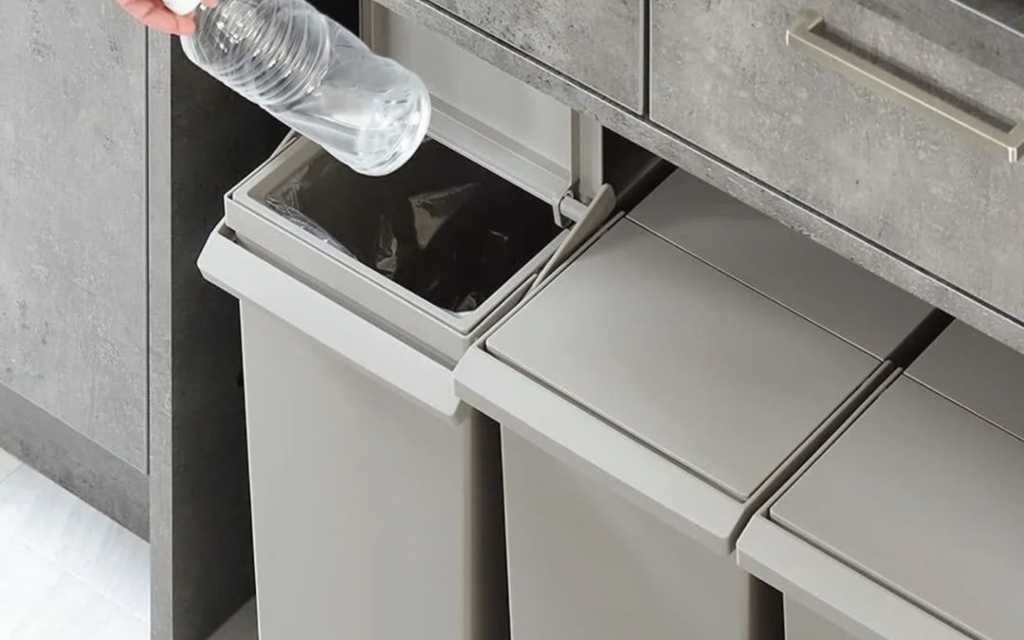
The Trash Can
A container placed inside or outside a closed space. The trash can is designed to hold waste.
Types of Trash Cans
These trash cans are ideal for industrial environments or large events where there is usually a large amount of waste, large pieces of debris, or both. They can also be used in your various homes.
- Disposable Trash Cans
These trash cans are perfect for your outdoor event! Disposable trash cans are inexpensive. They allow you to place as many containers as you need throughout the venue.
Disposable trash cans are also easy to clean. If you’re concerned about waste, many of these cans are made with recycled materials. Making them an excellent choice for environmentally conscious people.
- Outdoor Trash Cans
Made of durable plastic to withstand all weather conditions and with covered tops. These trash cans are ideal for keeping your outdoor spaces clean.
Most of them have a hood or flap to keep the elements out. Some even have weights or anchors to prevent them from blowing away or being stolen!
- Space-Saving Trash Cans
Offered in wall-mounted, half-round, or corner designs. They are ideal for areas with limited space, such as a crowded kitchen or a busy hallway. All of these cans have at least one long, flat side that can be pushed against a wall. They have a capacity of less than 106 liters.
- Decorative Trash Cans
These trash cans come in a variety of styles and colors. To blend into your room for discreet waste management. You can choose between indoor and outdoor options if you want a decorative trash can.
- Medical Trash Cans
Also under 150 liters. These are foot-operated trash cans with metal construction that are approved and safe to use in medical facilities.
- Wheeled Trash Cans
Typically with two wheels, these trash cans help your maintenance or janitorial staff transport multiple bags or large loads of waste.
Into a dumpster or across your property without breaking their backs. Tilt trucks should be used when transporting large amounts of waste on your property.
- Countertop Trash Cans
These are small trash cans usually made of metal that fit easily on a counter or table for small waste, such as straw wrappers and empty sugar packets.
Trash Can Buying Guide
In any business or home, cleanliness is a priority to keep your staff and customers safe and happy. Choosing the right trash cans for your living space is essential in order to live in a clean environment.
Trash Can Purchasing Considerations
When choosing a trash can, pay close attention to the material, size, and shape. At first glance, trash cans may look like any other container. But without closely examining certain specific qualities of your cans.
You might choose one that doesn’t meet your needs at all. Choosing the wrong trash can could turn your purchase into a waste of money for you and your business, as well as your space, because it might not work in the area where you need it.
Trash Can Material
Trash cans are mainly made of plastic, metal, or concrete. Plastic cans include materials like resin and polyethylene. Metal includes stainless steel, steel, and aluminum trash cans.
When considering concrete trash cans, this also includes polymer concrete trash cans, which use stone as well as concrete in their construction. There are a few outlier trash cans that do not fall into these categories and have their own advantages.
Trash Can Size
Size or capacity is determined by how much the trash can can hold when it is completely filled. There are no designated uses for trash cans based on their size. Base your size choice on what you need.
Examining the capacity of trash cans can be confusing, especially when using measurements in liters and gallons. Indoor pedal trash cans typically do not exceed 150 liters.
Because the type of waste in an office or bathroom (their most likely locations) usually doesn’t take up an extraordinary amount of space. To remain discreet, space-saving cans stay under 106 liters.
And the majority of decorative trash cans remain around or under the size of 150 liters. By their uses, space-saving and decorative cans are meant to blend in, meaning they stay small to be less visible.
Nevertheless, there can be exceptions! If you’re looking for larger decorative cans for your room, you can find one that meets your needs.
Evaluate the capacity you need based on the number of people using the trash cans, the location where your trash can will be placed, and the foot traffic they might generate.
How Expensive Is Too Expensive for a Trash Can?
Some features you want in trash cans influence their price.
- Hands-Free Opening
The most common feature of very expensive trash cans seems to be a hands-free opening mechanism. While some cheaper trash cans have pedals, these are often cans that struggle to function.
Especially after years of use. The more expensive options include those with motion-activated lids and those with pedals that offer smooth opening and closing.
They won’t hit walls or hands. Motion-activated ones often require batteries to keep working properly, which could be an additional expense down the line.
- Deodorizer
This isn’t as common a feature, but many people will pay extra for it. Some models have a carbon deodorizer.
Which keeps the container smelling pleasant, no matter what waste it contains. If this is the trash can you want, you’re probably already ready to pull out your wallet to buy one.
- Style
For those living in small apartments, sometimes it’s hard to find space for your trash can, meaning the trash will be out in the open.
For this reason, people spend a little more for ones that look much nicer. The most popular trash cans tend to be silver and black with clean lines.
- High-quality material
In addition to style, many people look for trash cans made of quality materials. And, it must be said that extremely expensive trash cans are made of stainless steel material.
It is therefore a quality and durable material. Ensuring that the bin always looks good. It is tougher than plastic. Stainless steel has the advantage of not absorbing odors.
Easy removal of the trash bag
This is a big selling point for those who find that the bag tears every time it is removed from the bin. Many expensive models keep the trash bag intact using various methods.
A trash can that has an inner liner with a section to pass through any excess bag to prevent it from getting caught in the lid hinges. Moreover, the liner itself can be removed and carried to the garbage room. So you don’t have to drag an awkward bag.
Cleaning kitchen trash cans
When you think of holidays, cleaning the trash cans is probably not the first thing that comes to mind. However, with all the cooking, gift wrapping (and unwrapping), as well as the post-party cleaning that happens during this time of year, you want to have a clean trash can.
- How often should you clean your kitchen trash can?
How often you clean a trash can will depend on how many people live in the house, as well as your personal cooking habits. Naturally, a single person will have less waste than a family of five.
However, if you eat out often or if you compost and recycle, your trash cans might not see much action. It’s really a matter of judgment, but you should generally thoroughly clean your trash can at least once a month.
Scrubbing your trash can will probably never top your list of favorite hobbies. Luckily, it’s a fairly simple process that requires no special tools or cleaning products.
- Empty your trash can
Wipe the exterior of your trash can with a microfiber cloth and hot soapy water. Start by cleaning the outside, as the inside will be dirtier, and you don’t want to spread that grime on the bin’s surface.
Using the same microfiber cloth and soapy water, clean the inside of your trash can. Dry your bin thoroughly using a microfiber cloth or paper towels.
Do not put a new bag in until the bin is completely dry, both inside and out. Place a fresh trash liner inside.
- Tips for keeping a kitchen trash can clean
You can take several steps to keep your trash can clean between monthly scrubbings.
- Always use a trash bag.
- Do not throw liquid food waste directly into your trash can. If you must, put them first in a plastic grocery bag. The same goes for any moldy or spoiled food.
- Wipe up spills immediately so they don’t have time to become sticky and gummy. A damp microfiber cloth or paper towel is perfect for this.
- Remove stains or fingerprints from stainless steel trash cans as soon as you see them. You can use a dry microfiber cloth to take care of these streaks and smudges.
- Ensure that the trash liner always fits snugly around the edges of your trash can. If it falls inside and you don’t notice, you’ll be in for a major cleanup.
- Take full trash bags to your outdoor bin as soon as you can rather than letting them pile up.
- If you clean your trash can weekly or bi-weekly, sprinkle baking soda at the bottom to neutralize odors.
Avoid baking soda if you go longer between cleanings, as it can clump and create a bigger mess.
- Remember, the more often you clean your trash can, the less likely you are to find yourself in a stinky situation.
The trash bag
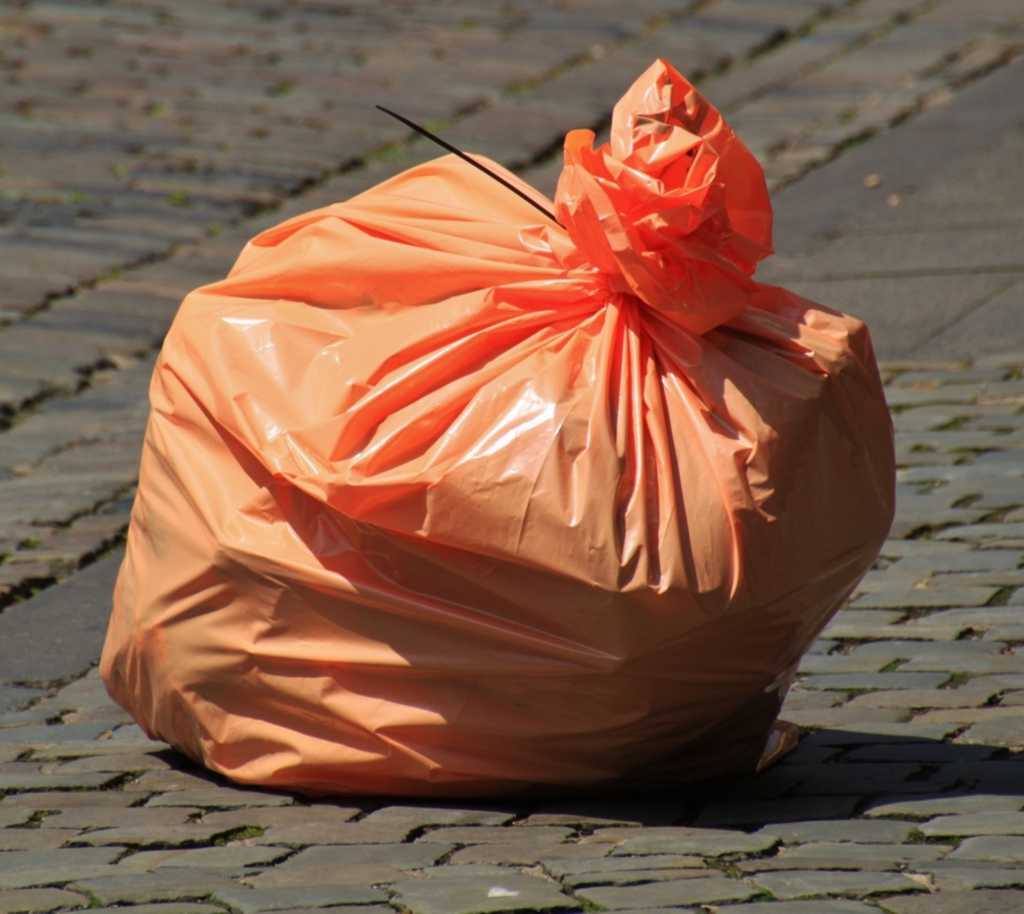
Available in multiple colors and made of polyethylene, the trash bag is used to carry household waste.
6 reasons to use trash bags
- What’s so great about trash bags?
Here’s a question that many people ask. “Should I use trash bags? Or how do you prefer we handle it?” We always say the same thing to people.
Yes, you should put your trash in trash bags. For those of you who don’t bag your trash, allow us to clarify… We’re not judging you for not putting your trash in bags.
We realize it’s not a topic most people discuss. It’s a subject many people aren’t interested in. But we’re garbage collectors.
So we think a lot about trash. We just wanted to share this little insight with you. There are 6 main reasons why you should bag your trash.
- Trash bags keep your bin clean
If the waste placed inside is not bagged, there’s a good chance it will leave waste residue inside the bin, which over time can build up, decompose, and start to smell unpleasant. There might even be things growing in there—things that shouldn’t be growing.
The fact is, if you want something in your home, wouldn’t you prefer it to be clean and not attract flies, mold, and other things?
- Clean trash bins last longer
We don’t have scientific proof of this. It’s just an observation we’ve made over the years. Trash bins that use trash bags tend to last longer. We’re not exactly sure about the science behind it.
But we know that bins with loose trash tend to break more quickly. Their handles, sides, and bottoms crack sooner. And if your bin has wheels, they also tend to fall off earlier.
These incidents can happen for several reasons. The residue itself might have something to do with the lateral and bottom cracks. There is also the fact that loose waste is harder to remove from a trash can than bagged trash.
- This can make your life easier
Putting your trash in bags can also make life a bit easier for you. We’re all looking for ways to simplify our lives, and a good step toward that simple life is to go to the trash can as little as possible. Now, when we say trash can, we of course mean you can go out to be repaired. If you use indoor trash cans with trash bags, you don’t have to go to the service trash can every time you have a little waste to throw away. One trip might be enough for you. When your indoor trash bag is full, you’ll have a time-saving benefit. If you have indoor trash cans that you usually take to the service trash can (the service trash can is the one we would drop off for your weekly pickup), and you throw them into the service, it won’t save much time for your trash can. However, it will keep your indoor bin cleaner. We’ve also found that trash bags are generally easier to handle than trash cans when it comes to maneuvering them around the house, which can save you some trouble.
- Trash bags keep waste contained
This is a big problem, and it should probably be number one on the list. Loose waste is very difficult to contain during unloading and transport. On the one hand, all it takes is a slightly windy day to turn the hopper of a garbage truck into something that resembles a wind tunnel. And loose trash doesn’t usually do too well. If loose waste flies away while we’re throwing it out or driving to the next destination, we need to chase it and get it back into the truck. Because trash is not cool. The second reason it’s important to keep waste in a bag is that it’s much easier and faster to pack them into the trucks. Loose waste has a knack for escaping, which means we have to spend more time packing the waste at each stop to get all the loose items in. If we don’t pack them in the truck, they could explode on the way to the next pickup location.
- Trash bags help us reduce our rates
Bagged trash is quicker for us to pick up and pack into the trucks. It’s also easier for your garbage collector in many cases. The faster and easier it is for us to throw away your waste, the less likely it is that we’ll need to adjust our rates based on time-related factors.
- It’s the right thing to do
Finally, number 6. Not only is it nice to do for yourself, but it’s nice to do for your trash. Bagged waste is much nicer, cleaner, and easier to handle than loose waste.
Why are there different colored trash bags?
The general trash can is black, where most of your garbage bags will go. Paper waste that is neither wet nor dirty goes in a blue bin without a bag. The organic waste bin is brown, where all biodegradable waste goes.
In addition to standard black garbage bags, there are white and clear trash bags. There are many other colored trash bags that make up the colors of the rainbow.
Depending on the location and what you’re throwing away, the color of the trash bag will be determined. So, what’s the need for all the different colored trash bags?
- Black trash bags
Black garbage bags are the most common type of trash bag used for most non-recyclable waste. The black color keeps the mess contained and somewhat tidy when the bags are sitting outside ready to be collected.
When it comes to lawn and leaf bags for your autumn cleanup, most homeowners use black garbage bags because they hide all the waste.
In addition to throwing out trash, black trash bags can be used to heat pools, darken rooms by placing them on windows, and even make a stylish dress.
- Clear trash bags
Clear trash bags are generally used for lighter waste, like paper and cardboard. Using clear trash bags allows the waste to be visible to the sanitation service for proper sorting.
Business offices use clear trash bags to collect shredded paper remains. These shredder bags are usually sitting around waiting for the maintenance person to place them into the garbage truck. Those who collect cans and bottles for money use clear bags so they’re identifiable at the bottle and can exchange center. Nowadays, it’s essential that your items are fully visible when you enter any establishment.
- White trash bags
White garbage bags are often found in the kitchen and bathroom. The white color is not too harsh and appears neat when placed in your trash can of choice. White trash bags come with or without drawstrings to help close them when the bag reaches its maximum capacity. Nowadays, a large number of manufacturers have begun adding pleasant scents to their large kitchen garbage bags, which helps reduce unpleasant odors. Waste usually smells bad when left for too long or when something foul-smelling is placed inside. Don’t feel bad if you need to replace the bag even if it’s not full.
- Blue trash bags
Blue recycling bags are used for recyclable waste. When the grinder wants to clearly identify what’s inside, make sure to label each container with a blue recycling sticker. Hotels and healthcare facilities use blue trash bags to deposit soiled linens when sending them for cleaning.
- Yellow trash bags
Yellow trash bags are used to dispose of waste that must be handled with care. Types of waste include biological hazards, infectious waste, and hazardous materials.
Each of these bags must be handled with extreme care and should be clearly identified. Yellow trash bags represent a higher level of care and should be handled accordingly.
Facilities do not always deal with hazardous waste. Sometimes they may dispose of broken glass and simply want the handler to be careful.
- Red Trash Bags
Red trash bags are primarily found in healthcare facilities that dispose of medical waste. This includes biological agents, pathological waste, cultures, and infectious agents possibly used in research laboratories. On a lighter note, weightlifters love to use large red trash bags during the holiday seasons.
- Green Trash Bags
Green trash bags can be a bit confusing, as the term “green” is a homonym. Eco-friendly trash bags or “green trash bags” can be of any color or condition as long as they are 100% biodegradable. Once compostable trash bags are treated and broken down, small black plastic bits remain. When they sit in the soil for months and years, microorganisms in the soil erode these compostable fibers until they eventually disappear.
- Pink Trash Bags
Pink trash bags will be found in offices and facilities seeking to raise awareness and support for breast cancer.
Orange Trash Bags
Orange trash bags are occasionally used for clinical waste that must be treated by incineration. These bags are used for recycling household items such as clothing, shoes, towels, and toys. When spring and fall cleaning come into play, we are tempted to simply get rid of everything cluttering the house. However, others in your neighborhood may not be as fortunate and might simply benefit from you filling one of these orange trash bags.
7 Ways to Use Trash Bags for Moving
There are many sophisticated packing supplies that you can use when you are about to move. But did you know that there are also many uses for the humble trash bag?
In addition to being the obvious receptacle for things you are ready to throw away, you can also use trash bags to move clothing, linens, stuffed animals, and other unbreakable items, as well as to protect various items on moving days. It’s a much cheaper alternative to cardboard boxes, and in general, you can also get a second use from the bag.
Before diving into the different ways to use trash bags for moving, let’s go over some important precautions:
- Use Strong Bags
Thick, black trash bags are your best bet here as they can carry much more weight than their flimsy counterparts with less chance of tearing or breaking.
- Use Outdoor Bags
For the above point, outdoor bags are usually more robust than indoor bags and will hold up better during your move.
- Use Large or Extra-Large Bags
You will want to aim for using fewer trash bags rather than more, so choose the largest size you can find.
Use Trash Bags with Ties
Although they are a bit pricier, trash bags with ties will give you a more secure seal so that you don’t have to worry about things spilling out in the back of the truck.
- Don’t Pack Anything Sharp or Breakable in a Trash Bag
This probably goes without saying, but you don’t want to pack anything sharp in a trash bag that could potentially puncture the plastic. In addition to tearing the bag, it could also be a safety issue. Don’t pack anything breakable in a trash bag either, as you won’t get the support you would have in a box.
- Make Sure to Label
It is imperative to label any trash bags you use for packing. Otherwise, you may end up throwing away half of your wardrobe when you really meant to throw out the trash.
To keep it economical, you can use plain colored tape so you can still make use of the bag. Just make sure to keep the label big and visible.
Now that we’ve given you the important information, here are seven ways to use trash bags for moving:
- Use Them to Pack Hanging Clothes
One of the cleverest uses for trash bags starts in your closet. Instead of removing hanging clothes from their hangers to fold them into a box or suitcase, keep them in a bag while still on the closet rod. Slip the trash bag over as many clothes as possible, starting from the bottom of the garments. Then, slide the sides of the bag upwards and tie the ties around the collar of the hangers. Your clothes will be protected, and you won’t have to worry about unhooking everything to hang them back up later.
- Use Them to Pack Non-Hanging Clothes, Towels, and Bedding
Trash bags are perfect for moving fabric-based items like clothes, towels, and bedding, as these items don’t really need the support of a box. To reduce the work when unpacking, fold each item before placing it into the bag. Then, simply fill the bag with as much as it can carry (for reference, a 190-liter trash bag can hold about 19 kg of weight), and secure it by tying it shut at the top.
- Use Them to Pack Bedding
Pillows and comforters take up a ton of space in boxes. But like the items above, they don’t require as solid of a base for transport. Stick them in trash bags and save your boxes for something else.
- Use Them to Pack Stuffed Animals and Other Unbreakable Toys
Quickly pack up your child’s room by tossing all the stuffed animals and unbreakable toys into a trash bag. In addition to getting the job done quickly and painlessly, it will also be easy to locate these items later when your little one needs entertainment while you’re unpacking (digging through a sea of labeled trash bags is just inherently easier than looking through a sea of boxes).
- Use Them to Transport Plants
It’s already hard enough to move plants without worrying about dirt getting everywhere in your car or truck. You don’t want to fully enclose a plant in a trash bag.
Because you will cut off the airflow. But you can absolutely secure a bag around the base of a plant, including the planter itself, up to the stem, just before the area where leaves or flowers grow.
Use string to tightly tie the bag to the stem so it stays in place. And once you are at your new location, make sure to carefully remove the bag so that if dirt falls, you don’t just spill it on your floor.
- Use them as packing material
Out of wrapping paper and air-filled plastic wrap? Don’t fear, trash bags can take their place in a snap. Use them as cushioning in a moving box.
Fold or fill a bag and use it to fill the spaces between items to allow them to stay balanced during the move. As a bonus, the bags won’t get dirty if they are in a box. So, when you arrive at your new home, you can smooth them out and use them to take out the trash.
- Use them as an extra layer of protection for electronics
It’s a good idea to pack electronics like TVs, printers, and speakers when you move. Trash bags are perfect for preventing moisture.
They also prevent the entry of debris and dirt. Don’t use bags as the sole means to move these items, though, as you could end up with broken electronics that way. But use them as a plastic wrap, offering an extra layer of protection before you pack them.
What not to pack in a trash bag
There are many ways to use trash bags for moving, but also many ways not to use them. It’s true that some points have been mentioned earlier, but it’s worth repeating that you should never put these items in a trash bag:
- Sharp items, including knives and objects with sharp corners
- Books and other inherently heavy items
- Paper, particularly important and/or irreplaceable documents
- Glass, porcelain, ceramics, and any other fragile materials
- Unsecured liquids
- Any hazardous or flammable material
What can you pack?
Trash bags aren’t just useful for moving in and out of dorms. Use them to save money and make your packing easier.
When you need to move, especially if you’re short on storage space in your vehicle (they slide into corners much better than boxes).
To help protect nature, reuse as many bags as possible after moving day. Even if that means keeping them in your garage so you can use them at a later time.
You’ll feel better using all that plastic, and you’ll save yourself a trip to the store to buy more bags.
Tips for Choosing the Right Trash Bag
Trash bags come in various specifications such as sizes, colors, and thicknesses, so selection can get a little tricky. The following points will make your selection easier and help you make the right choice.
- The size of the trash bin
This is the most important consideration you should make. Let’s say you want to buy a bag that fits the size of your bin, right? If you can’t find a trash bag in the exact size, it’s always better to buy one that’s larger. Trash bags vary based on their length, width, and load capacities. You’ll find the measurements listed in two numbers. One is the width of the bag, and the other is the length.
The width is measured once the bag is laid flat. The bag should hang at least 12 cm on the sides of the bin. To find the right-sized bag, you need to measure the length of the rectangular or square bin on all four sides. When using a round bin, always measure its diameter and multiply it by 3.14.
- The type of waste to collect
Waste refers to all items being discarded. The choice of the trash bag will depend on the type of waste it’s meant to hold. For example, if your facility produces sharp objects such as wood or glass, construction debris, or irregularly shaped items, it’s always recommended to use LDPE trash bag liners (Low-Density Polyethylene liners). However, if your facility produces a lot of paper waste, such as tissues or shredded paper, it’s better to use HDPE liners (High-Density Polyethylene liners).
LDPE trash bag liners are ideal for commercial kitchens, construction sites, garages, yards, and sliding bins.
- Color
Trash bags come in white and black. Most black bags are made from recycled materials, making them affordable. Black bags help keep trash discreet and can match all types of bins.
However, white trash bags can blend into any environment and may not be the choice if you want to keep your trash discreet.
- The type of closure
Trash bags can be used with or without closures. Many manufacturers offer them either without closures or with drawstrings, easy ties, twist ties, etc. The choice will depend on the type of waste being handled.