















How to Perfectly Cook Steak Every Time?
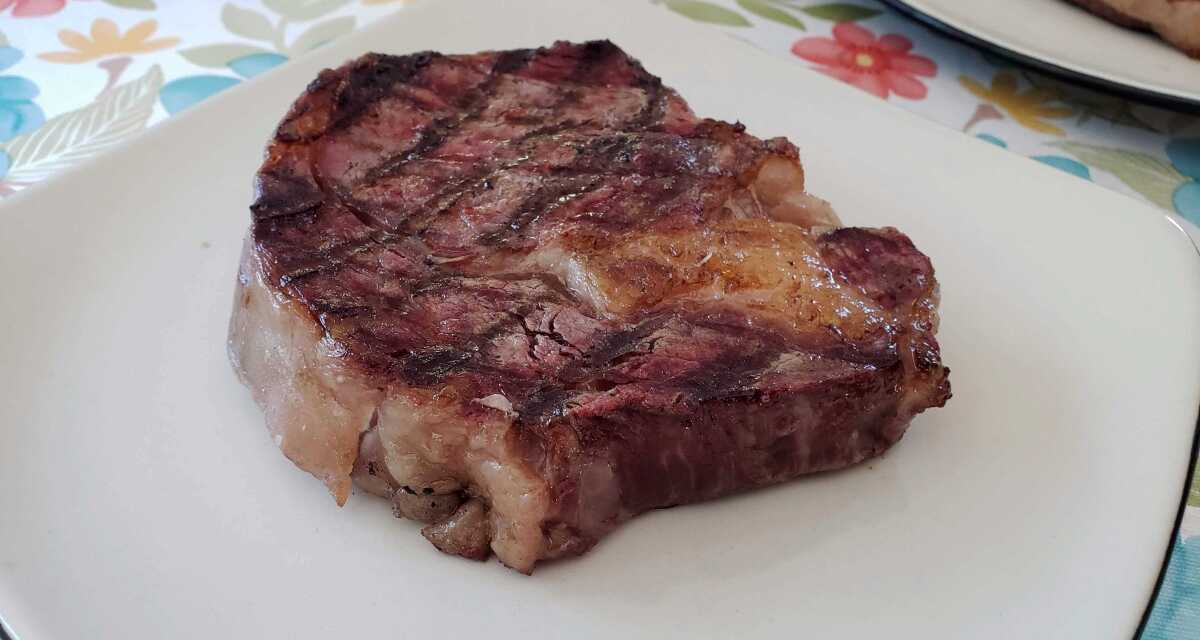
Cooking steak is an art that requires the right techniques to achieve a juicy, tender, and flavorful result. Whether you prefer your steak rare, medium, or well-done, following a precise method ensures success every time. In this comprehensive guide, we’ll walk you through everything you need to know to cook the perfect steak, from selecting the right cut to mastering various cooking techniques.
Choosing the Right Cut
The first step to cooking a great steak is selecting the right cut. The choice of cut will significantly influence the flavor, tenderness, and overall experience of your steak dinner. Here are some popular options, along with their characteristics:
- Ribeye: Known for its rich marbling, the ribeye offers incredible flavor and a juicy texture. The fat content renders beautifully during cooking, enhancing the taste and succulence of the meat.
- Filet Mignon: This cut is extremely tender and has a mild taste, making it a favorite for those who prefer a softer steak. Filet mignon is often considered a premium cut due to its tenderness and is usually more expensive.
- New York Strip: The New York strip strikes a balance between tenderness and beefy flavor. It has a good amount of marbling, which contributes to its rich taste and juiciness.
- Sirloin: Leaner than some of the other cuts, the sirloin still packs a flavorful punch. It’s a versatile cut that can be grilled, pan-seared, or roasted.
- T-Bone: The T-bone steak is a combination of filet mignon and New York strip, separated by a T-shaped bone. It offers the best of both worlds, with the tenderness of the filet and the robust flavor of the strip.
- Porterhouse: Similar to the T-Bone but larger, the porterhouse is an exceptional choice for steak lovers. It includes both the tenderloin and strip sides, making it perfect for sharing.
- Flank Steak: Best for marinating and slicing thinly against the grain, flank steak is flavorful and great for dishes like fajitas or steak salads.
When selecting a steak, consider the flavor profiles you enjoy, the cooking method you plan to use, and whether you prefer a leaner cut or one with more fat for flavor.
Preparing the Steak
Preparation is key to achieving the perfect steak. Here are some essential steps to ensure your steak is ready for cooking:
- Bring it to room temperature: Take the steak out of the refrigerator 30-45 minutes before cooking. This allows for more even cooking, ensuring that the inside reaches the desired doneness without overcooking the outside.
- Season generously: Use a good amount of kosher salt and freshly ground black pepper. This not only enhances the flavor but also creates a delicious crust. Optionally, you can add garlic powder, onion powder, or smoked paprika for extra depth of flavor.
- Pat it dry: A dry surface is essential for achieving a good sear. Use paper towels to pat the steak dry, removing any excess moisture that could steam the meat instead of searing it.
- Use oil: Lightly coat the steak with a high-smoke-point oil such as avocado or canola oil. This helps to prevent sticking and promotes browning.
Cooking Methods
There are various methods to cook steak, each offering unique benefits and flavors. Below are some of the most popular techniques:
- Pan-Searing: This method creates a crispy crust and deep flavor. It’s one of the most straightforward ways to cook steak indoors and is perfect for achieving that restaurant-quality sear.
- Grilling: Grilling adds a smoky flavor and beautiful grill marks to your steak. It’s an ideal method for outdoor cooking and is perfect for summer barbecues.
- Reverse Searing: This method is ideal for thick cuts of steak. The steak is slow-cooked first, allowing for even doneness, before finishing with a quick sear on high heat.
- Oven Broiling: Broiling is a great alternative to grilling, especially when cooking indoors. It uses high heat from above to cook the steak quickly.
- Sous Vide: This technique provides precise temperature control, allowing you to cook steak to the perfect doneness without the risk of overcooking. After sous vide cooking, a quick sear is usually done for flavor.
Each cooking method has its own advantages, and the choice often depends on personal preference and the tools available.
How to Pan-Sear a Steak
Pan-searing is a popular method that yields great results. Follow these steps for a perfectly pan-seared steak:
- Heat the pan: Use a cast-iron skillet and heat it over high heat until it’s smoking hot. This is crucial for achieving a good sear.
- Add oil: Once the pan is hot, add a small amount of high smoke-point oil, ensuring it coats the bottom of the pan.
- Place the steak: Lay the steak in the pan and let it sear without moving it for about 2-3 minutes. This will create a beautiful crust.
- Flip and baste: Turn the steak over using tongs, add a couple of tablespoons of butter along with crushed garlic and fresh herbs such as rosemary or thyme. Baste the steak with the melted butter for added flavor and moisture.
- Check doneness: Use a meat thermometer to check the internal temperature:
- Rare: 120-130°F (49-54°C)
- Medium Rare: 130-135°F (54-57°C)
- Medium: 135-145°F (57-63°C)
- Medium Well: 145-155°F (63-68°C)
- Well Done: 155°F+ (68°C+)
- Rest the steak: Let it rest for 5-10 minutes to allow the juices to redistribute, ensuring a juicy steak when sliced.
- Slice correctly: Always slice against the grain for maximum tenderness. This means cutting perpendicular to the direction of the muscle fibers.
Grilling a Steak
Grilling is a classic method for cooking steak, especially during the warmer months. Here’s how to do it perfectly:
- Preheat the grill: Make sure your grill reaches a high temperature, around 450-500°F (232-260°C). A hot grill is essential for a good sear.
- Oil the grates: To prevent sticking, oil the grill grates before placing the steak on them.
- Grill on direct heat: Place the steak over direct heat and sear each side for approximately 2-4 minutes, depending on the thickness of the steak. Avoid moving it around to allow for nice grill marks.
- Move to indirect heat: After searing, move the steak to a cooler part of the grill to finish cooking to the desired doneness. Close the lid to maintain temperature.
Reverse Searing for Thick Steaks
Reverse searing is a technique that works exceptionally well for thick cuts of steak, ensuring even cooking. Here’s how to do it:
- Preheat the oven: Set your oven to 225°F (107°C) to slowly cook the steak.
- Slow cook: Place the steak on a wire rack set over a baking sheet to allow air circulation. Cook until the steak reaches an internal temperature that is 10-15°F below your target doneness.
- Finish with a sear: Once the steak reaches the desired temperature, sear it in a hot pan for 1-2 minutes on each side to develop a crust.
Additional Tips for a Perfect Steak
To elevate your steak cooking game, consider these additional tips:
- Use a meat thermometer: This ensures precision in cooking and helps you achieve the perfect doneness every time.
- Don’t overcrowd the pan: If cooking multiple steaks, do so in batches. Overcrowding can cause the temperature to drop, resulting in steaming rather than searing.
- Slice against the grain: This makes the meat more tender and enjoyable to eat. Take a moment to observe the grain direction before slicing.
- Experiment with flavors: Don’t hesitate to marinate your steak or use compound butter to add unique flavors. Try different herbs, spices, or even sauces for variety.
- Let it rest: Resting the steak is crucial for juicy results. Cutting into it too soon can cause all the juices to run out, resulting in a dry steak.
- Use finishing salt: A sprinkle of flaky sea salt just before serving enhances the flavor and adds a delightful crunch.
Final Thoughts
Mastering the art of cooking steak takes practice, but with these techniques, you can achieve restaurant-quality results in the comfort of your own kitchen. Remember to choose a quality cut, season it well, and cook it with precision. Whether you’re using a pan, grill, or oven, following these steps will ensure a perfectly cooked steak every time.
Cooking steak is not just about technique; it’s also about enjoying the process and experimenting with flavors. Don’t be afraid to try different cooking methods, cuts, and seasonings to find what you love best. With a little patience and practice, you’ll be impressing family and friends with your steak-cooking prowess in no time. Enjoy your meal!