





















7 Chef Secrets for Perfect Omelets

Omelettes are not just a simple breakfast option; they are a delicious, easy-to-make, filling, nutritious, and budget-friendly dish that can be enjoyed any time of the day. Their versatility allows for endless combinations of flavors and ingredients, making them a staple in many kitchens around the world. Given their importance in culinary traditions, we will reveal chefs’ tips to help you prepare perfect omelettes every time.
1. Use High-Quality Eggs
The foundation of a great omelette is undoubtedly the eggs. Using high-quality eggs, such as organic or free-range eggs, is essential for achieving the best flavor and texture. Fresh eggs tend to have a firmer texture and a brighter, more vibrant color. This not only makes for a prettier omelette but also enhances its taste.
When shopping for eggs, consider looking for local farms or trusted brands that prioritize humane treatment of chickens. The nutritional value of eggs can also be affected by the diet and living conditions of the hens, so choosing high-quality products is not just a culinary decision; it’s also a health-conscious one. Rich in protein and essential nutrients, eggs are an excellent choice for a satisfying meal.
In addition to flavor, the freshness of the eggs can also impact the overall outcome of your omelette. Older eggs can have a slightly off taste and may not whip up as nicely. To check the freshness of your eggs, you can perform a simple water test: place the egg in a bowl of water. If it sinks to the bottom and lays flat on its side, it’s fresh. If it stands upright or floats, it’s best to discard it.
2. Whisk the Eggs for the Omelette
Properly whisking the eggs is crucial for achieving a silky, even omelette. The goal is to break down the proteins and incorporate air into the mixture, which will help create a fluffy texture. You can use a hand whisk, a fork, or even an electric mixer to achieve this.
For an extra touch of creaminess, consider adding a splash of milk, cream, or even a dollop of sour cream. This addition not only enhances the flavor but also contributes to a softer and fluffier omelette. Remember to whisk until the mixture is smooth and uniform in color, ensuring that the yolks and whites are fully combined.
Some chefs recommend whisking the eggs vigorously until they are frothy, which incorporates even more air into the mixture. This can result in a lighter, more delicate omelette. However, be cautious not to over-whisk, as this can lead to a rubbery texture once cooked. The perfect balance is to whisk just enough to aerate but not so much that you create a dense mixture.
3. Use a Non-Stick Pan
A good non-stick pan is a kitchen essential when it comes to making omelettes. It allows you to cook the eggs on low to medium heat without the risk of sticking. Prior to adding the eggs, make sure the pan is adequately heated; this helps to create a light sear on the surface of the omelette, enhancing both flavor and texture.
When cooking, use a silicone spatula to gently stir the eggs. This will prevent any scratching or damage to the non-stick coating, ensuring your pan remains in optimal condition for future cooking endeavors.
It is also important to use the right amount of fat in the pan. A small amount of butter or oil will help to create a non-stick surface while also adding flavor. If using butter, allow it to melt and slightly bubble before adding the egg mixture, which helps in achieving that delectable golden-brown edge that so many people love.
4. Add Ingredients at the End of Cooking
To achieve an omelette that is both delicious and visually appealing, timing is everything. If you plan to add ingredients such as vegetables, cheese, or herbs, it’s best to incorporate them toward the end of the cooking process. This strategy helps prevent any burning or overcooking of these delicate components.
Before adding them to the omelette, consider sautéing or lightly cooking the ingredients separately. This step not only enhances their flavor but also allows you to manage their moisture content, preventing the omelette from becoming soggy. For example, cooking spinach or mushrooms beforehand can help reduce excess water and maintain the integrity of the omelette.
Classic Combinations
Some classic combinations to consider include:
- Cheddar cheese and diced ham
- Spinach and feta cheese
- Mushrooms and Swiss cheese
- Tomatoes and basil
These combinations are not only delicious but also allow you to explore various flavor profiles and textures.
5. Use Fresh Ingredients
Fresh ingredients are key to creating a tasty and nourishing omelette. Whenever possible, opt for seasonal vegetables, herbs, and high-quality cheeses. Fresh produce not only adds flavor but also enhances the nutritional profile of your dish.
For instance, consider using vibrant bell peppers, fresh spinach, or ripe tomatoes to brighten up your omelette. Additionally, high-quality cheeses like feta, goat cheese, or aged cheddar can elevate your dish to new heights. Not only will fresh ingredients improve the taste, but they will also create a more appealing visual presentation with their rich colors and textures.
When selecting vegetables, try to incorporate a variety of colors and textures. This not only makes for an eye-catching dish but also ensures you are getting a range of nutrients. For example, adding diced red bell pepper, chopped green onions, and shredded carrots can create a visually stunning and nutritionally balanced omelette.
6. Use Different Cooking Methods
While frying is the most common method for making omelettes, there are several other cooking techniques you can explore. Baking, steaming, or even using a microwave can yield different results, allowing you to find the method that suits your preferences best.
For instance, a baked omelette can achieve a lighter and fluffier texture, perfect for serving larger groups. To make a baked omelette, simply pour the egg mixture into a greased baking dish with your desired ingredients and bake at 350 degrees Fahrenheit for about 20 to 25 minutes or until set.
Conversely, a stovetop omelette will provide a delightful contrast between a crispy exterior and a soft, creamy interior. Experimenting with various methods can be a fun way to discover new textures and flavors, ensuring that your omelette game remains exciting and dynamic.
Steaming for a Healthier Option
Steaming is another method to consider, especially for those looking for a healthier cooking option. By placing your omelette ingredients in a steamer basket, you can cook the eggs without adding any extra fat. This method retains more nutrients and can result in a delicate, fluffy omelette.
7. Be Creative
One of the best aspects of omelettes is their versatility. Feel free to get creative and explore different flavor combinations and ingredients. From classic combinations like ham and cheese to more adventurous options like smoked salmon and cream cheese, the possibilities are endless.
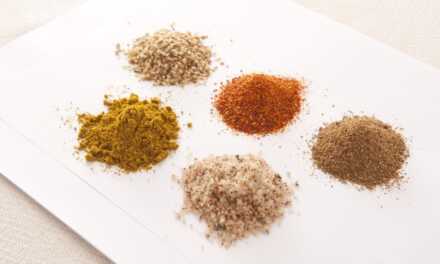
Consider incorporating spices or exotic herbs to give your omelette an international flair. For example, adding curry powder can lend an Indian twist, while fresh basil and tomatoes can evoke a Mediterranean vibe. You can also draw inspiration from various culinary traditions around the world, allowing you to mix and match ingredients to create unique and memorable dishes.
Global Inspiration
Explore global flavors by trying these unique combinations:
- Mexican: Add black beans, avocado, and salsa for a spicy twist.
- Italian: Incorporate sun-dried tomatoes, mozzarella, and fresh basil for a Caprese-inspired omelette.
- Japanese: Use teriyaki chicken, scallions, and a drizzle of soy sauce for an umami-packed flavor.
- Middle Eastern: Mix in za’atar seasoning, feta, and olives for a Mediterranean delight.
Ultimately, the key to a perfect omelette lies in your willingness to experiment and have fun with the process. With these tips in mind, you’ll be well on your way to mastering the art of omelette-making. Whether you prefer them plain, loaded with ingredients, or flavored with spices, the homemade omelette is a dish that can be tailored to suit any taste, occasion, or dietary preference.
Final Thoughts
In conclusion, omelettes are a beloved dish that offers both simplicity and versatility. By following these tips, you can elevate your omelette-making skills and create delicious meals that satisfy any palate. Remember, the joy of cooking comes from experimentation and creativity, so don’t hesitate to try new ingredients and techniques.
With high-quality eggs, fresh ingredients, and the right cooking methods, you can prepare the perfect omelette every time. So grab those high-quality eggs, a good pan, and let your creativity shine in the kitchen! Whether it’s breakfast, lunch, or dinner, an omelette can be a delightful addition to your meal repertoire. Enjoy the process, and savor every bite of your culinary creation!