












How to Make Homemade Pasta from Scratch?
There’s nothing quite like the taste and texture of fresh, homemade pasta. The process of making pasta from scratch might seem intimidating at first glance, but it is, in fact, surprisingly simple and rewarding. With just a handful of basic ingredients and a bit of patience, you can create delicious pasta right in your kitchen. The satisfaction of transforming simple ingredients into a delightful dish is unmatched, and the taste of fresh pasta is something that can’t be replicated by store-bought versions. In this guide, we will take you through a detailed, step-by-step process of making perfect homemade pasta dough and shaping it into your favorite noodles. So, roll up your sleeves, and let’s get started!
Ingredients You’ll Need
To make the perfect pasta dough, you will need the following ingredients:
- 2 cups of all-purpose flour – While all-purpose flour is commonly used, you may also consider using “00” flour, which is finely milled and often preferred by Italian chefs for its texture.
- 3 large eggs – The eggs not only provide moisture but also contribute to the richness and color of the pasta.
- 1/2 teaspoon of salt – Salt enhances the flavor of the pasta, ensuring that it is not bland.
- 1 tablespoon of olive oil (optional) – Olive oil can add extra flavor and improve the texture of the dough, making it more pliable.
- Additional flour for dusting – This is crucial for preventing the dough from sticking to surfaces and tools.
Tools You’ll Need
In addition to ingredients, you’ll need some essential tools to create your homemade pasta:
- Mixing bowl – A large bowl is ideal for mixing your dough ingredients.
- Fork or whisk – To beat the eggs and combine the ingredients smoothly.
- Rolling pin or pasta machine – A rolling pin is the traditional tool, while a pasta machine can make the job easier and more consistent.
- Sharp knife or pasta cutter – For cutting the rolled-out dough into your desired pasta shapes.
- Clean surface for kneading – A wooden or marble surface is ideal for kneading the dough.
Step-by-Step Guide to Making Homemade Pasta
Making homemade pasta involves several straightforward steps. Let’s dive into the process.
1. Create a Flour Well
Begin by pouring the 2 cups of flour onto a clean surface or into a large mixing bowl. Make a well in the center of the flour mound. This well will hold your wet ingredients and prevent them from spilling over as you mix. It’s important to ensure the walls of the well are sturdy enough to contain the eggs without breaking.
2. Add Eggs and Mix
Crack the 3 large eggs into the well you’ve created in the flour. Sprinkle in 1/2 teaspoon of salt and, if desired, add 1 tablespoon of olive oil for added elasticity and flavor. Using a fork or whisk, gently beat the eggs, gradually incorporating flour from the sides of the well. Take your time with this step, as mixing slowly helps to prevent any spills. Continue mixing until the dough starts to come together into a shaggy mass.
3. Knead the Dough
Once the mixture becomes too thick to mix with a fork, it’s time to use your hands to knead the dough. Transfer it to a floured surface and knead it for about 8 to 10 minutes. The goal is to develop the gluten in the flour, which will give the pasta its structure. The dough should be smooth, elastic, and slightly tacky but not sticky. If the dough feels too dry and crumbly, add a teaspoon of water at a time. Conversely, if it’s too wet, sprinkle a bit more flour to achieve the right consistency.
4. Let the Dough Rest
After kneading, wrap the dough in plastic wrap or cover it with a clean towel. Allow it to rest at room temperature for at least 30 minutes. This resting period is crucial as it relaxes the gluten, making the dough easier to roll out. You can use this time to prepare your workspace or even whip up a sauce for later.
5. Roll Out the Dough
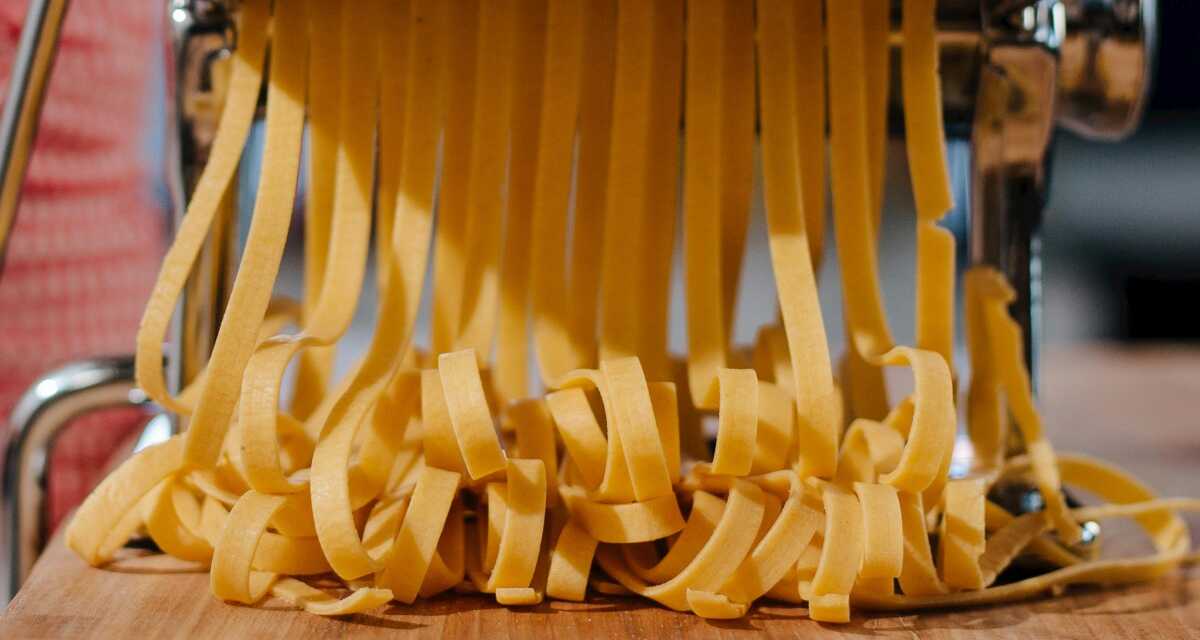
Once the dough has rested, divide it into smaller portions to make it more manageable. Using a rolling pin or a pasta machine, roll each portion out to your desired thickness. For most pasta types, aim for a thickness of about 1/16 inch (1.5 mm). If you’re using a pasta machine, start with the widest setting and gradually work your way down to thinner settings, dusting with flour as needed to prevent sticking.
6. Cut the Pasta
Once rolled out, it’s time to cut the dough into your preferred pasta shape. Depending on your preference, you can slice it into fettuccine, tagliatelle, or even make sheets for lasagna. Use a sharp knife, pizza cutter, or a pasta cutter for even results. Make sure to dust the cut pasta with flour to prevent it from sticking together. If you want to make filled pasta like ravioli, you can cut the dough into squares or circles and fill them before sealing.
7. Cook the Pasta
Bring a large pot of salted water to a boil. Remember, fresh pasta cooks much faster than dried pasta — typically in just 2 to 4 minutes, depending on thickness. It’s best to taste a small piece to ensure it’s cooked al dente, which means it should be firm to the bite. Fresh pasta can be a little tricky, so keep an eye on it while it cooks.
8. Serve and Enjoy
Once cooked, drain the pasta and toss it with your favorite sauce. Whether it’s a classic marinara, a creamy Alfredo, or simply butter and parmesan, the choice is yours. Serve it immediately, garnished with fresh herbs or grated cheese, and enjoy the fruits of your labor! The difference in flavor and texture from homemade pasta is truly remarkable.
Tips for Perfect Homemade Pasta
To help you achieve the best results, here are some additional tips for making perfect homemade pasta:
- Use high-quality flour – While all-purpose flour works well, using “00” flour can yield a silkier texture that some chefs prefer for pasta.
- Don’t skip resting time – Resting the dough is essential as it significantly makes rolling out the dough much easier and improves the overall texture.
- Experiment with flavors – Adding herbs, spinach, or even squid ink to the dough can create unique variations. For instance, using beet juice can yield a vibrant pink pasta, while adding fresh basil can infuse a delightful flavor.
- Keep your workspace clean – Flour can get messy, but a clean workspace helps ensure that the dough doesn’t pick up any unwanted flavors or contaminants.
- Store your pasta properly – If you’re not cooking the pasta immediately, let it dry on a floured surface for about 15 minutes, then store it in an airtight container in the refrigerator for up to two days or freeze it for longer storage.
Conclusion
Making homemade pasta from scratch is not only a satisfying culinary experience but also allows you to customize the flavor and texture to your liking. Once you get the hang of the process, it becomes second nature, and the taste is incomparable to store-bought varieties. The ability to create fresh pasta opens up a world of culinary possibilities, from classic Italian dishes to innovative recipes that reflect your personal taste. So, gather your ingredients, follow the steps outlined in this guide, and impress your friends and family with your fresh, handmade pasta creations. Whether it’s for a special occasion or simply a weeknight dinner, homemade pasta is sure to elevate your meal to the next level. Enjoy the journey, and happy cooking!