












How to Master the Art of Seasoning?
# The Art of Seasoning: Elevate Your Culinary Skills
Seasoning is more than just adding salt and pepper to your food; it is a true art form that can transform ordinary dishes into extraordinary culinary experiences. Whether you are a beginner or an experienced cook looking to refine your skills, mastering the art of seasoning will greatly enhance your cooking. In this comprehensive guide, you will learn essential techniques and tips to become confident with seasoning, ultimately taking your culinary creations to new heights.
## Understanding the Basics of Seasoning
Before diving into complex flavor combinations, it is crucial to understand the fundamentals of seasoning. Seasoning typically refers to enhancing the natural flavors of food rather than masking them. The goal is to bring out the best in your ingredients, allowing their unique tastes to shine through.
### The Role of Salt
Salt is the most common seasoning and deserves a special mention because it affects food on a molecular level. It enhances sweetness, balances bitterness, and can even impact texture. However, using too much salt can ruin a dish. Learning to season with salt carefully and gradually is crucial. Always taste as you go; you can always add more later, but you cannot take it out once it is too much.
### Other Key Seasoning Components
While salt is essential, there are countless spices, herbs, and flavorings that contribute to a dish’s final taste profile. Here are some of the most significant components to consider:
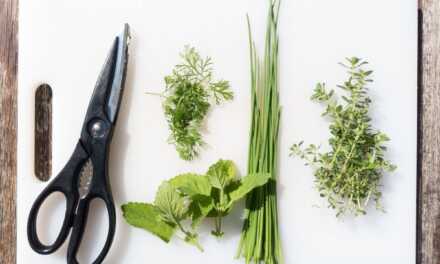
– Herbs: Fresh or dried, herbs like basil, oregano, thyme, and parsley can season dishes with their aromatic qualities.
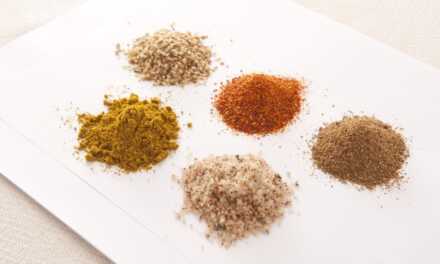
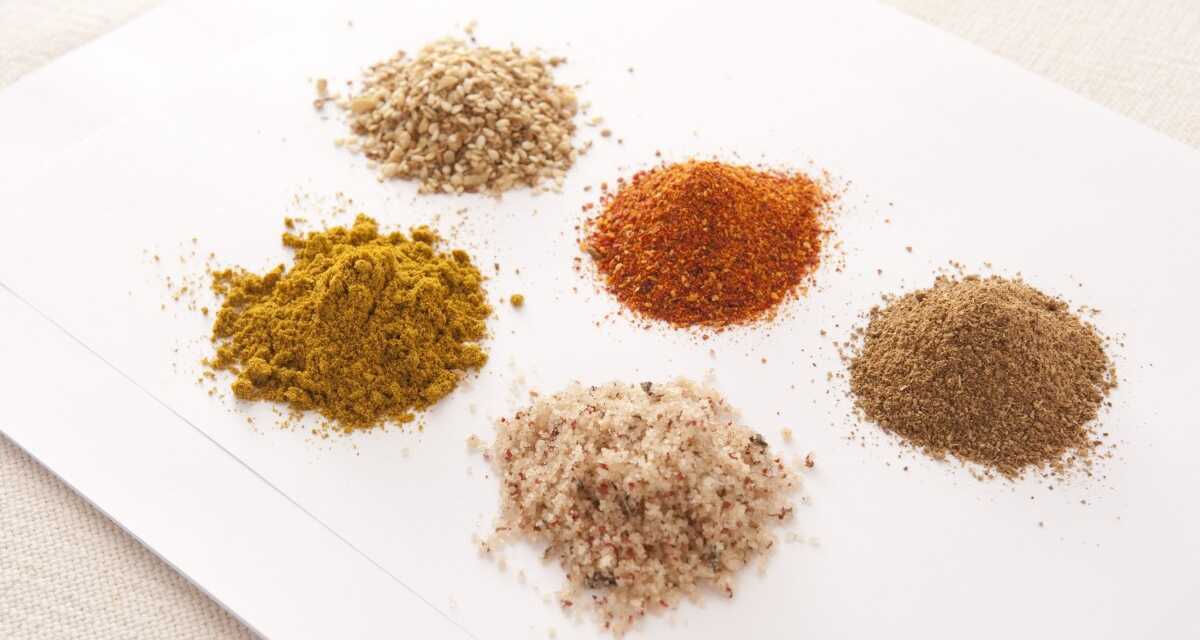
– Spices: Ground or whole spices such as cumin, coriander, paprika, and cinnamon provide warmth and depth.
– Acids: Ingredients like lemon juice, vinegar, and citrus zest can brighten flavors and add contrast.
– Sweeteners: Sugar, honey, and maple syrup can balance flavors and enhance the overall taste of a dish.
## The Importance of Salt
Salt is often referred to as the “universal flavor enhancer” for good reason. It plays an instrumental role in cooking and can make a significant difference in the final outcome of your dish.
### How Salt Works
Salt works by enhancing the natural flavors of food. When you add salt to a dish, it can:
– Enhance Sweetness: A pinch of salt can make sweet dishes taste sweeter and more balanced.
– Balance Bitterness: Salt can offset bitter flavors, making vegetables like kale or Brussels sprouts more palatable.
– Impact Texture: Salt can also change the texture of food, especially when used in brining meat or baking bread.
### Choosing the Right Salt
Different types of salt can impart different flavors and textures to your dishes. Here are some common types:
– Table Salt: Fine and often iodized, this is the most common type used for everyday cooking.
– Kosher Salt: Preferred by many chefs for its coarse texture and ease of use; it dissolves well and is great for seasoning meats.
– Sea Salt: Harvested from evaporated seawater, sea salt comes in various textures and flavors, often used as a finishing salt.
– Himalayan Pink Salt: Known for its unique flavor and minerals, this salt adds a touch of color and can be used in various culinary applications.
## Building Layers of Flavor
One of the secrets to exceptional seasoning is layering flavors at different stages of cooking. This technique allows you to create a more complex and balanced flavor profile in your dishes.
### Multi-Stage Seasoning
For instance, consider the following approach when seasoning a dish:
1. Season Before Cooking: Apply salt and spices to your ingredients before cooking to allow the flavors to penetrate.
2. Adjust During Cooking: Taste and adjust the seasoning as the dish cooks. This is particularly important for soups, stews, and sauces.
3. Finish with Freshness: Just before serving, add a sprinkle of sea salt or fresh herbs to brighten and enhance the overall flavor.
## Essential Seasoning Techniques
To master seasoning, you need to practice and internalize key techniques. Here are some of the most effective:
### 1. Taste Constantly
Get into the habit of tasting your food frequently while cooking. Your palate is your best guide for knowing when a dish needs more salt, acid, or spice. Keep a spoon handy to sample your food as you go.
### 2. Use Acid
Sometimes a dish does not need more salt but rather a splash of lemon juice or vinegar to brighten the flavors. Acidity can lift and enhance the overall taste of a dish, making it more vibrant.
### 3. Mind the Cooking Method
Different cooking methods can affect how flavors develop. For example:
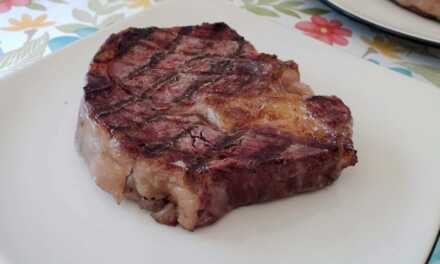
– Grilling can add a smoky flavor, which might require less seasoning.
– Roasting can concentrate flavors, allowing for bolder seasoning.
– Steaming preserves the natural flavors but may need added seasoning since it doesn’t create caramelization.
– Frying can create a crispy texture and often requires careful seasoning to balance the richness.
### 4. Season in Layers
Add seasoning at multiple stages rather than dumping it all in at once. This technique allows for a more balanced flavor profile, ensuring that every bite is delicious.
### 5. Know When to Hold Back
Certain ingredients, such as bacon or soy sauce, already contain salt. Be mindful not to over-season in these cases, as they can easily overpower the dish.
## Common Mistakes to Avoid
Even experienced cooks can fall into seasoning traps. Recognizing these mistakes can help you become more proficient:
### 1. Underseasoning
Many home cooks are afraid to use enough salt or spice. It’s essential to enhance the natural flavors boldly. Don’t shy away from seasoning; it is a crucial component of delicious cooking.
### 2. Overseasoning
On the flip side, adding too much salt or spice can overpower a dish. Start slow and build up the flavors gradually, tasting as you go to find the right balance.
### 3. Seasoning Only at the End
While final seasoning is important, waiting until the end can miss the opportunity to build depth. Seasoning throughout the cooking process creates a more harmonious flavor profile.
### 4. Ignoring Texture
A sprinkle of coarse salt can add a wonderful crunch to a soft dish, while a creamy soup might benefit from a dash of acid. Consider both flavor and texture when seasoning.
### 5. Using Old Spices
Spices lose their potency over time. Make sure your spices are fresh to get the best flavor impact. If they smell weak or lack aroma, consider replacing them.
## Experimenting with Global Flavors
Expanding your seasoning techniques by exploring global cuisines can be an exciting adventure. Different cultures have unique approaches to seasoning that can inspire your cooking.
### Indian Cuisine
Indian cooking often relies on complex spice blends like garam masala, which can contain cardamom, cinnamon, cumin, and more. The layering of spices creates beautiful depth and richness in dishes.
### Mexican Cuisine
Mexican cuisine frequently utilizes fresh herbs like cilantro, along with spices such as cumin and chili powder. The use of lime juice adds acidity and brightness, balancing the flavors beautifully.
### Japanese Cuisine
Japanese cuisine highlights umami-rich flavors through ingredients like miso and soy sauce. The subtlety of seasoning in Japanese cooking allows the natural flavors of the ingredients to shine.
### Mediterranean Cuisine
Mediterranean cooking often features herbs like oregano, thyme, and rosemary, along with the use of olive oil and citrus. This combination creates vibrant and fresh flavors that are both comforting and exciting.
## Final Thoughts
Mastering the art of seasoning is a lifelong journey, but it is one that rewards your efforts every step of the way. By understanding the basics, practicing essential techniques, avoiding common mistakes, and embracing global flavors, you can elevate your cooking to new heights.
### Trust Your Taste Buds
Remember, seasoning is both a science and an art—trust your taste buds and enjoy the process! The more you practice, the more intuitive your seasoning skills will become, allowing you to create dishes that are not only flavorful but also truly memorable.
### Keep Learning
Continue to explore new ingredients, techniques, and cuisines. The world of seasoning is vast and ever-evolving. Join cooking classes, read cookbooks, and watch cooking shows to expand your knowledge. Experimentation is key; don’t be afraid to try new things and develop your unique style.
### Enjoy the Culinary Journey
Cooking is not just about the final dish; it’s about the experience and the joy of creating something delicious. Embrace the journey, and remember that every dish is an opportunity to learn and grow as a cook. Happy seasoning!