













How to prepare authentic Moroccan couscous?

Authentic Moroccan Couscous
Today, it is important to know that preparing couscous is quite challenging. Especially when done as they do in North Africa. The real one takes a few hours to prepare. In Morocco, couscous is a festive dish served on Fridays.
One of the reasons for the long preparation time is the slow-cooked meat (usually beef or lamb). The second, and most important, is the slow hand hydration of the dry couscous.
Then comes the slow steaming over the meat and vegetables in a special pot called a couscoussier. Thanks to this slow process, the couscous is perfectly cooked, infused with the aroma of meat and vegetables, and beautifully light and fluffy.
General Tips for Using a Couscoussier
The traditional method of preparing couscous involves steaming it in a special pot called a couscoussier. The couscoussier consists of two parts: the bottom part is a pot with a tight-fitting lid, and the top part is the couscous steamer insert.
The top pot has holes to allow the steam to rise from the bottom pot. The stew or broth in the bottom pot cooks while the couscous is steamed on top.
(Real couscous is always steamed, never boiled.) Most traditional couscous recipes call for the couscous to be moistened with water (or oil), then steamed, removed and cooled, mixed with butter or oil, then steamed again, and possibly cooled and steamed a third time.
Note: Make sure to identify the type of couscous you purchased—instant or traditional. Boxed couscous is available in most grocery stores, prepared by pouring the couscous pasta into boiling water. This is actually “instant couscous,” which is precooked.
Cooking “instant couscous” using the traditional method described here may result in mushy, overcooked pasta. To get real couscous (not instant), you can go to any specialty store, or if you are using instant couscous, reduce the cooking time by at least half. You can find many more elaborate recipes on the internet. But here is my suggestion for a basic recipe.
Couscous is a healthy and versatile side dish that you can pair with everything from roasted vegetables to chicken to lamb. This recipe cooks in 15 minutes, and a few simple touches like subtle spices, golden raisins, and pine nuts give it a taste special enough to be served at a holiday meal.
What Exactly is Moroccan Couscous?
- Let’s Start with the Couscous
Although it looks like a small grain of rice or quinoa, couscous is a pasta. It is made from semolina (semolina is a durum wheat flour used in most traditional pasta) and water.
Because it is so small, couscous cooks in just a few minutes, making it a fabulous choice for a last-minute side dish. As it cooks on the stovetop, it keeps your oven free for other tasks. It’s important to know that this is a staple dish in many North African countries, including Morocco.
How to Make Moroccan Couscous?
Fortunately, we don’t need to visit Morocco to enjoy a serving of couscous. This recipe is inspired by Moroccan cuisine and ingredients but is mild enough to be served alongside a wide variety of main dishes.
- The Ingredients
Couscous: Quick-cooking and flavorful. I like to buy whole wheat couscous because, like other whole grain options, it is higher in protein and fiber than its white counterparts. If you can’t find it, regular couscous works just fine in this recipe.
Shallot: Starting the recipe by sautéing a shallot gives the whole dish a more robust and complete flavor.
Golden Raisins: A popular ingredient in Moroccan cuisine, raisins give couscous little bursts of sweetness and make it more texturally interesting.
Pine Nuts: Another classic ingredient in Moroccan cooking, pine nuts add touches of intensity and nutty crunch. You only need to add a small amount, but I know pine nuts can be expensive.
Feel free to swap them for another nut like pistachios or almonds. Be sure to toast your nuts first for maximum flavor and superior texture.
Lemon, Garlic, and Parsley: Three traditional Moroccan ingredients. They give the couscous freshness and life.
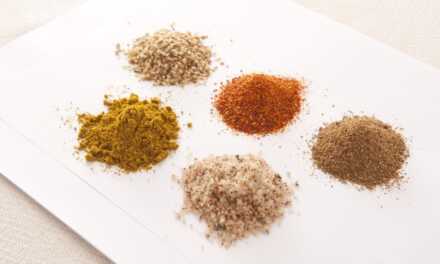
Cumin: Moroccan cuisine is especially known for its spices. This recipe keeps the spices mild enough for the couscous to pair well with a variety of dishes. A touch of cumin is enough.
- The Directions
Toast the pine nuts in a single layer on a baking sheet at 350 degrees F until golden. Watch them carefully, as they burn easily. Place the toasted nuts in a container.
Sauté the shallots in butter, then add the spices and broth. Bring the mixture to a boil. Remove the pan from the heat and add the couscous. Cover and let sit.
Fluff the couscous with a fork, then stir in the mix-ins.
What to Serve with Moroccan Couscous?
Couscous is a complete side dish that pairs well with all your favorite proteins, including meat, seafood, and vegetarian dishes.
Meat: Try this couscous as a side dish with grilled chicken, slow cooker Moroccan chicken, or these Moroccan turkey meatballs.
Seafood: Keep things simple by pairing this couscous with grilled salmon in foil. It is also delicious topped with grilled or sautéed shrimp.
Chickpeas or Roasted Vegetables: Roasted chickpeas and roasted vegetables make for delicious vegetarian dishes. This roasted frozen broccoli or even cinnamon roasted butternut squash (omit the rosemary) would be nutritious and tasty.
- Preparation and Storage Tips
Couscous stores and reheats well, making it a fantastic option for a party. Not a planner? Cooking takes only 15 minutes, so you can also keep it as a last-minute option if that’s more your style.
Make Ahead: Up to 2 days in advance, prepare the couscous as directed, cover, and refrigerate. Serve the dish warm or at room temperature.
Store: Place leftover couscous in an airtight container in the refrigerator for up to 3 days.
Reheat: Gently reheat leftovers in a large skillet on the stovetop over medium-low heat. Add a squeeze of lemon juice to brighten the flavors. You can also reheat this dish in the microwave.
Freeze: Let the couscous cool completely, then store it in a freezer-safe airtight container in the freezer for up to 3 months. Let thaw overnight in the refrigerator before reheating.
- Serving the Couscous
The couscous is now ready to serve. Try serving it with a variety of vegetables. To do this, unmold the steamed couscous and add 2 tablespoons of butter and a few ladles of broth. The meat and vegetables are arranged on top and more broth is poured over.