
















How to Store Fresh Herbs So They Last Longer?
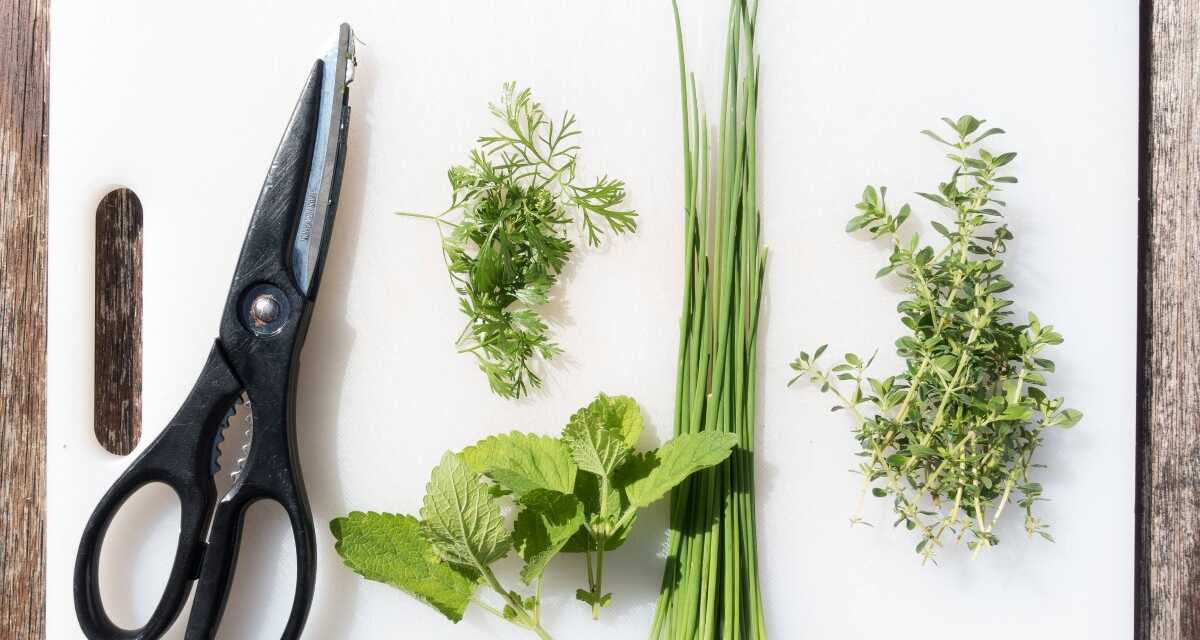
Fresh herbs can completely transform a dish, adding vibrant flavor, color, and aroma. Their presence can elevate even the simplest recipes, bringing out the best in ingredients. However, despite their culinary benefits, fresh herbs tend to wilt and spoil quickly if not stored properly. If you love cooking with fresh herbs but hate seeing them go to waste, you’re not alone. Fortunately, with the right storage techniques, you can significantly extend the life of your favorite herbs and enjoy their freshness for longer.
Understanding the Nature of Different Herbs
Before diving into storage techniques, it’s crucial to understand that not all herbs are the same. They can be broadly categorized into two main types: hardy herbs and delicate herbs.
Hardy herbs like rosemary, thyme, and sage have woody stems and thicker leaves, making them more resilient to changes in their environment. These herbs are typically more robust and can withstand a bit more handling and storage variation without deteriorating quickly.
On the other hand, delicate herbs such as basil, cilantro, parsley, and mint have tender stems and softer leaves. These herbs are more susceptible to wilting and spoilage, requiring a gentler touch when it comes to preservation. Understanding these distinctions is vital for effective storage and maintaining the quality of your herbs.
When you choose your herbs, consider their characteristics. For instance, you might want to stock up on hardy herbs for long-term use, while delicate herbs can be purchased in smaller quantities for immediate use. This approach helps minimize waste and ensures that you always have fresh ingredients on hand when inspiration strikes in the kitchen.
Best Methods for Storing Fresh Herbs
Depending on the type of herb you have, the storage method will vary slightly. Below are the best practices for each category:
- Hardy Herbs (e.g., rosemary, thyme, sage): Wrap them loosely in a slightly damp paper towel and place them inside a resealable plastic bag. Store the bag in the refrigerator’s crisper drawer. This method keeps them hydrated without making them soggy. For even longer storage, you can place the wrapped bundle in a container to minimize exposure to air.
- Delicate Herbs (e.g., parsley, cilantro, basil): Trim the ends of the stems and place the bunch in a glass of water, just like you would with flowers. Cover the herbs loosely with a plastic bag and refrigerate. Be mindful that basil is an exception; it prefers room temperature and should not be refrigerated. Instead, keep basil on the counter in a glass of water, covered loosely with a plastic bag or a damp cloth to maintain humidity.
These simple techniques can make a significant difference in how long your herbs last and how fresh they remain for your culinary endeavors.
Additional Tips for Keeping Herbs Fresh
To make sure your herbs stay fresh even longer, consider these extra tips:
- Inspect regularly: Check your herbs every couple of days and remove any wilted or discolored leaves to prevent rot from spreading. This routine helps maintain overall freshness and can extend the life of healthy leaves.
- Use proper containers: Airtight containers can suffocate herbs. Instead, use breathable storage solutions like a perforated plastic bag or a simple glass jar with a loose cover. This allows air circulation while protecting the herbs from excessive moisture.
- Maintain the right humidity: Herbs need a balance of moisture. Too dry and they wilt; too wet and they rot. Adjust the dampness of the paper towel or change the water in your glass jar as needed. This balance is crucial for prolonging their freshness.
- Freeze excess herbs: If you realize you won’t use your herbs in time, freeze them. Chop the herbs, portion them into ice cube trays, add a bit of water or olive oil, and freeze. This method works especially well for hardy herbs like rosemary and thyme, allowing you to enjoy their flavors in future dishes.
- Dry herbs for long-term storage: Hardy herbs can be hung upside down in a dry, warm area to air dry. Once completely dry, store them in airtight containers away from light and heat. Dried herbs can add concentrated flavor to your meals and have a longer shelf life than fresh herbs.
By following these tips, you can maintain the quality and extend the life of your herbs, allowing you to enjoy their flavors in your cooking for a longer period.
Common Mistakes to Avoid
Even with good intentions, it’s easy to make mistakes when storing fresh herbs. Here are some pitfalls to avoid:
1. Storing all herbs the same way: As mentioned earlier, delicate and hardy herbs require different care. Knowing this distinction is key. Failing to recognize the needs of each type can lead to spoilage and waste.
2. Forgetting to check moisture levels: If the paper towel is too wet, or if the water in the jar gets murky, your herbs could rot quickly. Regularly check and adjust moisture levels to keep your herbs in optimal condition.
3. Overcrowding storage containers: Give your herbs some breathing room. Packing them too tightly traps moisture and accelerates spoilage. It’s essential to provide adequate space for air circulation.
4. Refrigerating herbs that prefer room temperature: Basil, in particular, suffers when chilled. Always leave basil on the counter in a water-filled jar covered loosely with plastic. Understanding the specific needs of each herb can help prevent unnecessary waste.
When to Use Each Storage Method
Choosing the right storage method often depends on how soon you plan to use the herbs. Here’s a breakdown of the best practices for different time frames:
- Immediate use (within a few days): Keeping them in water at room temperature or loosely wrapped in the fridge is ideal. This method ensures they maintain their freshness and flavor for short-term use.
- Short-term storage (up to two weeks): A glass of water in the fridge or a damp towel inside a plastic bag helps maintain freshness. This is perfect for herbs you plan to use in the near future.
- Long-term storage (over two weeks): Freezing or drying is your best bet if you want to enjoy your herbs without waste. These methods allow you to preserve the flavors of your herbs for months, ensuring you always have access to your favorites.
By understanding when and how to use each storage method, you can optimize your herb usage and minimize waste.
Conclusion: Fresh Herbs Made Easy
Properly storing fresh herbs is a small but important step in reducing kitchen waste and enhancing your meals. By understanding the needs of different types of herbs and following the right techniques, you can savor the vibrant flavors of your favorite greens for much longer. Whether you love the woodsy aroma of rosemary or the bright zing of cilantro, a little extra care will keep your herbs fresher, tastier, and ready to elevate any dish you create.
Utilizing fresh herbs not only enhances the taste of your meals but also contributes to a healthier diet. Herbs are packed with essential vitamins, minerals, and antioxidants, making them a valuable addition to any diet. By mastering the art of herb storage, you can ensure that your culinary creations are always bursting with flavor and nutrition.
In summary, the joy of cooking with fresh herbs can be extended with a few simple techniques and careful handling. From understanding the nature of the herbs to employing the best storage methods, you can enjoy the benefits of fresh herbs well beyond their typical shelf life. So the next time you find yourself at the grocery store, consider picking up a bunch of fresh herbs, confident that you have the knowledge to keep them fresh and flavorful for all your cooking adventures. Embrace the world of herbs and let them inspire your culinary creativity!