











Paella: Spain’s Most Iconic Dish
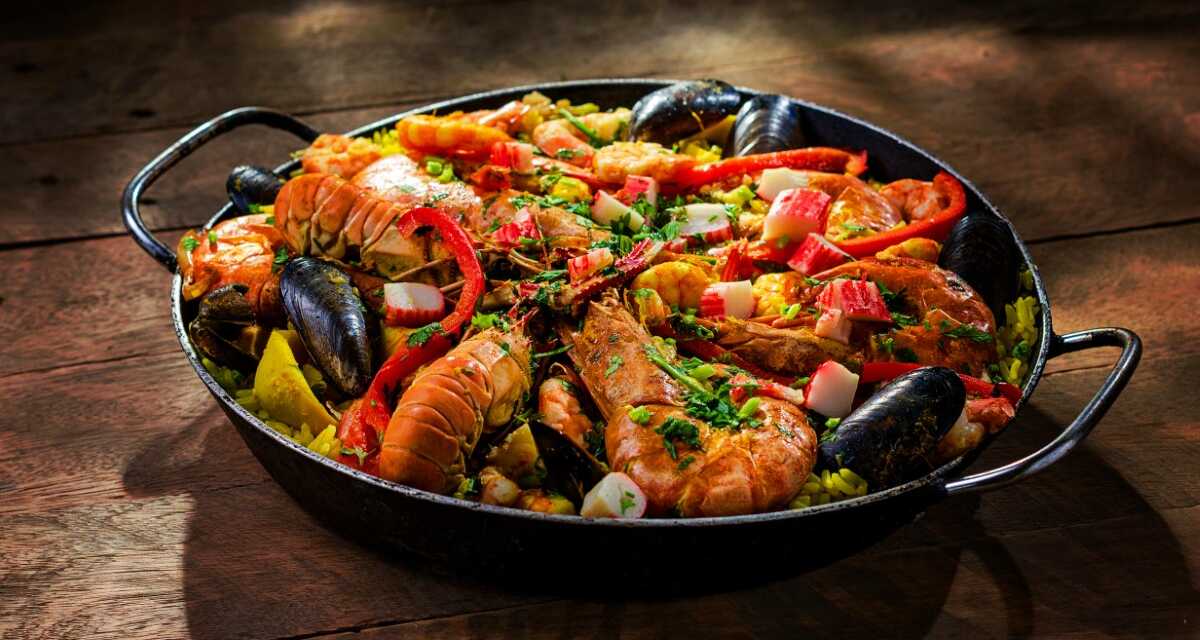
Paella is one of the most famous and beloved dishes in Spanish cuisine. Originating from the Valencia region, this flavorful and colorful dish has captivated food lovers worldwide. With a perfect blend of rice, saffron, vegetables, and a variety of proteins, paella is a true culinary masterpiece. In this article, we will explore the history, variations, ingredients, and steps to make an authentic paella at home, so you can experience the rich flavors and traditions of Spain.
The History of Paella
Paella has a rich history dating back to the 10th century when rice was introduced to Spain by the Moors. The Moors brought with them advanced agricultural techniques, which enabled the cultivation of rice in the wetlands of Valencia. Over time, locals in Valencia began cooking rice with available ingredients, such as vegetables, meats, and seafood, in large, shallow pans. The dish evolved into what we now recognize as paella.
Traditionally, paella was cooked over an open fire using orange and pinewood, which imparted a distinct smoky flavor to the dish. The word “paella” itself comes from the Old French word “paelle” for pan, which reflects its cooking method. The dish was initially a peasant meal, made with whatever ingredients were available, including snails and vegetables. As it gained popularity, it became a staple for festive occasions and family gatherings, often enjoyed outdoors with friends and family.
Different Types of Paella
There are several variations of paella, each offering a unique taste experience. Depending on the region and available ingredients, the preparation and flavors can differ significantly:
1. Paella Valenciana
- The original and most traditional version of paella.
- Made with rabbit, chicken, green beans, and sometimes snails, which reflect its agricultural roots.
- Uses saffron and rosemary for an authentic flavor, along with other local spices.
2. Seafood Paella (Paella de Mariscos)
- A popular choice, especially in coastal regions where fresh seafood is abundant.
- Includes shrimp, mussels, squid, and sometimes lobster, showcasing the flavors of the sea.
- Cooked in a rich seafood broth for extra depth of flavor, often enhanced with white wine.
3. Mixed Paella (Paella Mixta)
- A fusion of meat and seafood, appealing to those who love both land and sea flavors.
- Often contains chicken, chorizo, shrimp, and mussels, creating a hearty and satisfying dish.
- While popular, traditionalists might argue it strays from the authentic recipes.
4. Vegetarian Paella
- Ideal for plant-based eaters, this version is hearty and satisfying.
- Includes bell peppers, artichokes, green beans, peas, and sometimes beans for added protein.
- Seasoned with saffron and smoked paprika, capturing the essence of the original dish without meat.
Essential Ingredients for Paella
To make an authentic paella, you will need the following key ingredients:
- Rice: Use short-grain rice such as Bomba or Calasparra for the best texture. These rice varieties absorb flavors well while maintaining a firm consistency.
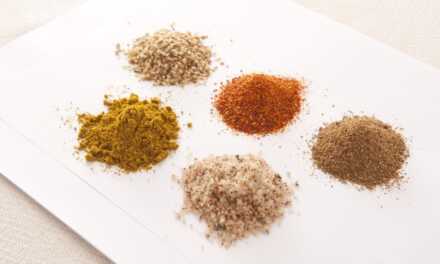
- Saffron: This spice gives paella its signature golden color and rich aroma. It’s worth investing in high-quality saffron for the best results.
- Stock or Broth: A well-seasoned broth, either chicken or fish, enhances the overall flavor and depth of the dish.
- Protein: Depending on the type, this could include chicken, rabbit, seafood, or a mix. Choose fresh, high-quality ingredients for the best flavor.
- Vegetables: Tomatoes, onions, bell peppers, and green beans are commonly used, but feel free to get creative with seasonal vegetables.
- Olive Oil: A key ingredient for sautéing and adding richness. Use extra virgin olive oil for the best flavor.
How to Make Paella at Home
Follow these steps to prepare a delicious homemade paella, and impress your family and friends:
1. Prepare the Ingredients
- Chop vegetables, clean seafood, and cut meat into pieces. Prep is key to a smooth cooking process.
- Heat olive oil in a wide, shallow paella pan over medium heat. This type of pan ensures even cooking.
2. Cook the Meat and Vegetables
- If using chicken or rabbit, brown the meat first to develop flavor. Remove and set aside.
- Sauté onions, garlic, and bell peppers in the same pan until soft and fragrant. This forms the flavor base for your paella.
3. Add the Rice and Broth
- Stir in the rice and coat it with the flavors from the pan, allowing it to toast slightly. This step enhances the rice’s texture.
- Add saffron-infused broth and let it absorb, ensuring the rice is evenly distributed in the pan.
4. Add Seafood or Additional Ingredients
- Place seafood on top of the rice and let it cook without stirring. This is crucial for developing the socarrat, the crispy layer at the bottom.
- Arrange your ingredients aesthetically; paella is as much about presentation as flavor.
5. Let It Rest
- Once cooked, remove the paella from heat and let it rest for 5-10 minutes. This allows the flavors to meld.
- Garnish with fresh parsley and lemon wedges for a burst of freshness before serving.
Final Thoughts
Paella is more than just a dish; it’s a symbol of Spanish culture and tradition. It brings people together, often served in communal settings, and is a celebration of local ingredients and flavors. Whether you prefer the classic Paella Valenciana, a seafood delight, or a vegetarian version, the key to a perfect paella lies in high-quality ingredients and patience.
So why not try making this incredible dish at home and bring a taste of Spain to your table? Gather your loved ones, and enjoy the process of cooking together, as this is what paella is all about—sharing and creating memories. With the right techniques and a little practice, you’ll be able to master the art of paella and savor the delicious flavors that have made this dish a beloved staple around the world.