





















Street Food: A Window into Local Culture
When traveling to a new place, one of the best ways to truly experience its culture is through its street food. Whether it’s a sizzling skewer in Bangkok, a fresh taco in Mexico City, or a warm baguette in Paris, street food reflects the heart and soul of a community. It offers an authentic, affordable, and delicious way to explore local traditions. More than just a meal, it is a way to immerse oneself in the daily life, history, and identity of a destination.
Street food is a culinary phenomenon that transcends borders and brings people together through the universal love of food. It is often the first taste of a culture for many travelers, providing insight into local flavors, techniques, and customs. The vibrant colors, tantalizing smells, and joyful atmosphere of street food stalls create an experience that is both memorable and enlightening.
Why Street Food is More Than Just a Meal
Street food is not just about eating; it’s about connecting with the culture and history of a place. Here’s why it’s an essential part of the travel experience:
- Authenticity: Street food is often prepared using traditional recipes passed down through generations. It represents a city’s true flavors, often more accurately than high-end restaurants. Many street vendors take pride in their craft, using family recipes that have stood the test of time, ensuring that visitors get a taste of genuine culinary heritage.
- Affordability: Compared to restaurants, street food is usually much cheaper, making it accessible to everyone, from locals to budget travelers. This affordability allows travelers to sample a wide variety of dishes without breaking the bank, encouraging exploration and discovery of new flavors.
- Convenience: You can find it almost anywhere, from bustling markets to quiet street corners, making it a quick and satisfying option. The ease of grabbing a quick bite while on-the-go makes street food an integral part of daily life for many locals, and it’s a great way for travelers to experience the rhythm of the city.
- Social Experience: It’s common to see locals gathering around food stalls, sharing stories, and enjoying meals together. This creates a lively atmosphere that gives visitors a real sense of the community. Street food often serves as a social hub, where people from all walks of life come together to enjoy good food and great company.
Popular Street Foods Around the World
Every country has its unique street food, influenced by history, geography, and local ingredients. Here are some must-try street foods from different regions:
- Asia:
- Pad Thai (Thailand) – Stir-fried rice noodles with tofu, shrimp, peanuts, and bean sprouts, offering a delicious balance of sweet, sour, and salty flavors.
- Banh Mi (Vietnam) – A Vietnamese sandwich that combines a crispy baguette with savory meats, pickled vegetables, and fresh herbs.
- Sushi (Japan) – While often associated with fine dining, street vendors offer fresh sushi rolls that are both delicious and affordable.
- Momos (Nepal) – Steamed or fried dumplings filled with a variety of ingredients, often served with a spicy dipping sauce.
- Satay (Indonesia) – Skewers of marinated meat grilled to perfection, typically served with peanut sauce.
- Europe:
- Crêpes (France) – Thin pancakes filled with a variety of sweet or savory fillings, perfect for any time of day.
- Currywurst (Germany) – A popular fast food dish consisting of steamed and fried sausage topped with a tangy curry ketchup.
- Churros (Spain) – Fried dough pastries dusted with sugar, often served with a cup of thick hot chocolate for dipping.
- Döner Kebab (Turkey) – Sliced meat served in pita bread with fresh vegetables and sauces, a staple in many European cities.
- Fish and Chips (United Kingdom) – Crispy battered fish served with thick-cut fries, a beloved classic that can be found in many street markets.
- Latin America:
- Tacos (Mexico) – Soft or hard tortillas filled with various meats, beans, and fresh toppings, providing endless possibilities for flavor combinations.
- Arepas (Colombia) – Cornmeal cakes filled with cheese, meats, or avocado, showcasing the versatility of this staple food.
- Empanadas (Argentina) – Pastry pockets filled with meats, cheeses, or vegetables and then baked or fried, making for a convenient snack.
- Coxinha (Brazil) – Chicken-filled dough shaped like a drumstick and deep-fried, a beloved snack throughout Brazil.
- Anticuchos (Peru) – Grilled skewers of marinated meat, often served with potatoes, reflecting the rich flavors of Peruvian cuisine.
- Africa:
- Bunny Chow (South Africa) – A hollowed-out loaf of bread filled with spicy curry, a unique blend of Indian and South African flavors.
- Suya (Nigeria) – Spicy grilled meat skewers, often served with onions and tomatoes, popular at street stalls across the country.
- Koshari (Egypt) – A hearty mix of rice, lentils, and pasta topped with tomato sauce and crispy onions, a filling and affordable dish.
- Bissara (Morocco) – A thick soup made from fava beans and spices, often enjoyed with bread, reflecting the country’s culinary simplicity.
- Nyama Choma (Kenya) – Grilled meat served with sides like ugali and kachumbari, a social dish often enjoyed at gatherings.
- Middle East:
- Falafel (Lebanon) – Deep-fried balls made from ground chickpeas and spices, often served in pita with fresh vegetables and tahini sauce.
- Shawarma (Turkey) – Marinated meat cooked on a vertical rotisserie, sliced thin, and served in wraps with various toppings.
- Manakish (Syria) – Flatbread topped with za’atar or cheese, often enjoyed for breakfast or as a snack.
- Knafeh (Palestine) – A sweet cheese pastry soaked in syrup, best enjoyed warm, making it a delightful street food dessert.
- Kebabs (Iran) – Grilled meat skewers seasoned with spices, often served with rice or bread, showcasing the rich culinary traditions of the region.
How Street Food Reflects Local Culture
Street food is deeply connected to a region’s traditions, history, and way of life. Here’s how:
- Historical Influence: Many street foods have origins tied to migration, trade, or colonial history. Dishes often blend influences from different cultures, creating unique flavors. For example, the taco in Mexico has roots in indigenous cuisine but has evolved with influences from Spanish colonization and the diverse immigrant communities that have settled in the country.
- Local Ingredients: The food is made with fresh, locally sourced ingredients, showcasing regional flavors. The use of spices, herbs, and native produce plays a huge role in defining each cuisine. This reliance on local ingredients not only supports local farmers but also ensures that dishes are in harmony with the region’s agricultural practices.
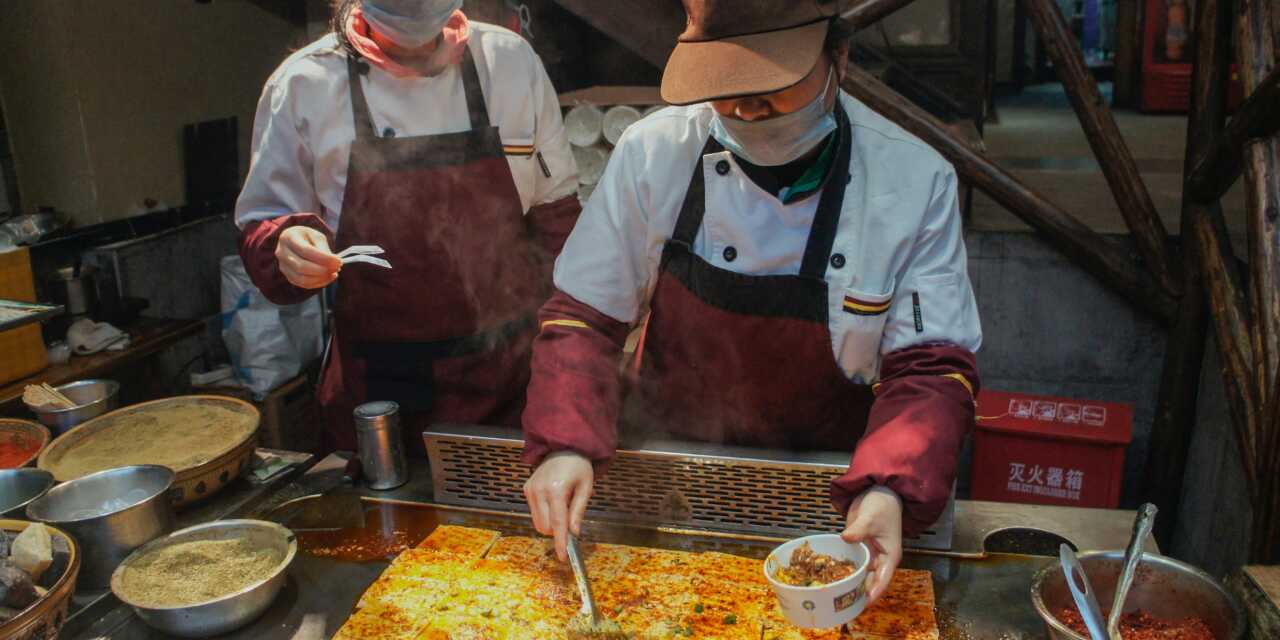
- Cooking Techniques: Different cultures use unique methods, from grilling and steaming to deep-frying and baking. The preparation of street food is often a performance in itself, drawing crowds of curious onlookers. Vendors frequently showcase their skills, turning cooking into an art form that captivates both locals and tourists.
- Festivals and Celebrations: Some street foods are closely linked to cultural festivals and special occasions, making them an integral part of traditional celebrations. For instance, during the Lunar New Year, certain street foods are prepared to symbolize good fortune and prosperity, reflecting the values and beliefs of the community.
Tips for Enjoying Street Food Safely
While street food is delicious and exciting, it’s important to eat it safely. Here are some tips:
- Choose Busy Stalls: Vendors with a high turnover of food usually serve fresher meals, reducing the risk of contamination. A busy stall indicates that the food is popular and likely to be freshly prepared.
- Watch the Preparation: Observe how food is handled and cooked to ensure hygiene. Clean cooking areas and gloves are good signs of proper food safety. If you see the vendor washing their hands regularly and maintaining a tidy workspace, you can feel more confident about your choice.
- Eat Cooked Foods: Opt for freshly cooked dishes rather than raw or pre-prepared items to avoid potential health risks. Hot food served straight from the grill or fryer is less likely to harbor harmful bacteria.
- Use Bottled Water: Be cautious with drinks made using tap water or ice, as it may not be purified. Stick to bottled water or beverages from reputable sources to avoid any stomach issues.
- Listen to Locals: If a vendor is popular with locals, it’s usually a good sign that the food is both tasty and safe. Engaging with locals can also provide recommendations for the best stalls to try.
Final Thoughts
Street food is more than just a quick bite—it’s a reflection of a community’s spirit, creativity, and culinary heritage. Whether you’re exploring a new city or rediscovering your own, embracing street food is one of the best ways to connect with local culture. The next time you travel, make sure to sample some local street food—it might just be the most memorable part of your journey.
In conclusion, street food is a gateway into the heart of a culture, offering flavors and experiences that are both authentic and enriching. As you navigate through the bustling streets and vibrant markets, allow yourself to be adventurous. Try something new, ask questions about the dishes, and savor every bite. The stories behind each dish can be as enriching as the food itself, providing insight into the community’s history and traditions.
So grab a plate, dig in, and enjoy the journey that street food has to offer—each bite is a taste of the culture, history, and soul of the place you are visiting.