






















Sushi Rolls – Beginner’s Guide
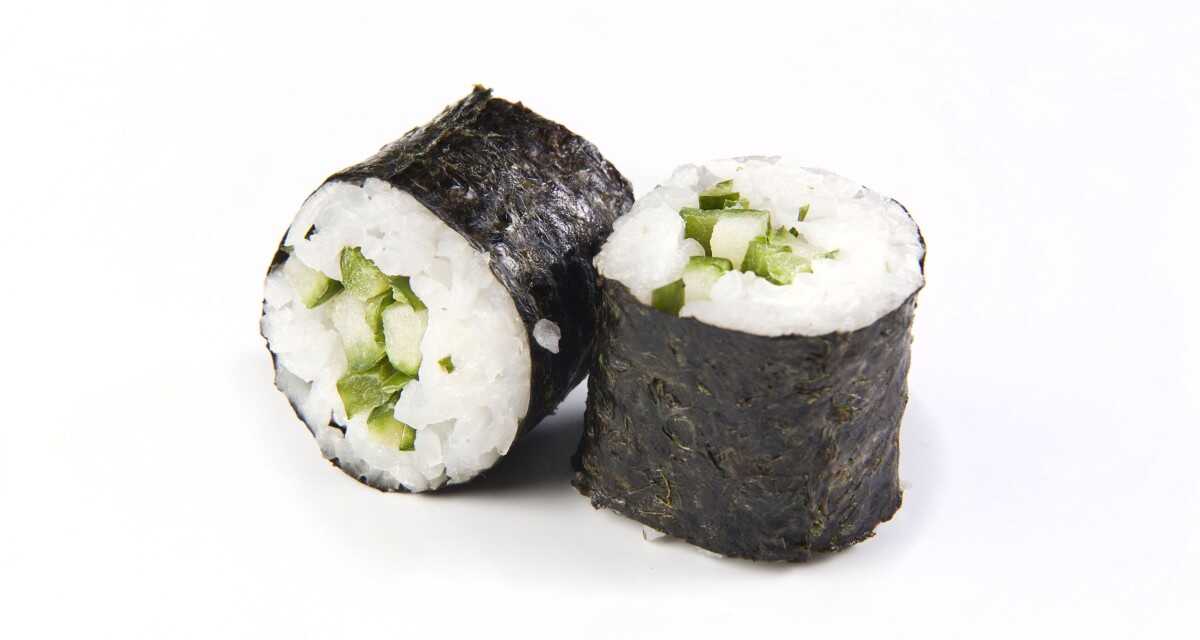
Sushi is a beloved Japanese dish that has transcended borders, captivating taste buds around the globe. Among the myriad types of sushi, sushi rolls—known as makizushi—are particularly popular, especially for those venturing into the world of sushi for the first time. Whether you’re eager to explore sushi at a restaurant or want to try your hand at making it at home, this comprehensive guide will cover everything you need to know about sushi rolls, from their history to preparation techniques.
What Are Sushi Rolls?
Sushi rolls are cylindrical pieces of sushi that typically consist of vinegared rice wrapped around various fillings, all encased in a sheet of dried seaweed known as nori. These rolls are versatile and can be filled with a variety of ingredients, ranging from traditional fish and vegetables to more innovative and creative combinations found in Western sushi adaptations. The process of rolling sushi can be quite artistic, allowing for personal expression through flavor and presentation.
Sushi rolls are often categorized based on their style and ingredients, each offering a unique taste experience. From the simplicity of a basic roll to the complexity of gourmet combinations, there’s a sushi roll for everyone. This adaptability has made sushi rolls a favorite choice for diners of all ages, making them an excellent introduction to the world of sushi.
Types of Sushi Rolls
When it comes to sushi rolls, there are several popular types to explore. Each type has its own unique characteristics and flavors, reflecting regional variations and personal preferences.
1. Hosomaki (Thin Rolls)
- These are small, thin rolls that typically contain a single filling, making them a great choice for beginners.
- Common fillings include cucumber, tuna, avocado, or carrot, all of which add a refreshing crunch and flavor.
- Hosomaki are usually dipped in soy sauce and enjoyed in one or two bites, making them a perfect snack or appetizer.
2. Futomaki (Thick Rolls)
- Futomaki are thicker rolls filled with multiple ingredients, often showcasing a colorful array of flavors and textures.
- These rolls are commonly enjoyed during festivals and special occasions, making them a festive choice for gatherings.
- The variety of fillings can include marinated vegetables, cooked seafood, and even egg, creating a complex flavor profile.
3. Uramaki (Inside-Out Rolls)
- In uramaki, the rice is on the outside while the nori is inside, creating a unique presentation and texture.
- These rolls are particularly popular in Western countries, with the California roll being a well-known example.
- Uramaki often includes a variety of toppings, like spicy mayo or sesame seeds, enhancing both flavor and presentation.
4. Temaki (Hand Rolls)
- Temaki are conical-shaped rolls that are wrapped by hand, making them a fun and casual option for eating sushi.
- They are perfect for those who prefer to eat with their hands rather than chopsticks and are often filled to the brim with fresh ingredients.
- Temaki can be customized with a variety of fillings, allowing for a personalized sushi experience.
Essential Ingredients
When making sushi rolls, the choice of ingredients is paramount. Here are some essential components you will need:
1. Sushi Rice
- Sushi rice is typically short-grain or medium-grain rice that has a sticky texture, which helps the rolls hold together.
- The rice is seasoned with a mixture of rice vinegar, sugar, and salt, giving it a distinctive flavor that complements the fillings.
- Choosing the right rice is crucial, as it impacts the overall texture and taste of the sushi rolls.
2. Nori (Seaweed)
- Nori is the dried seaweed sheets used to wrap sushi rolls. It comes in various grades, with higher-quality nori being more flavorful and aromatic.
- Look for nori that is dark green and has a glossy appearance, as this indicates freshness and quality.
3. Fillings
- Fresh fish options include salmon, tuna, and shrimp, which provide a rich and savory flavor.
- Vegetables such as cucumber, avocado, and bell pepper add freshness and crunch.
- Cooked proteins like crab, egg (tamago), and eel (unagi) also make excellent fillings, catering to those who may not prefer raw fish.
- In addition to traditional fillings, don’t hesitate to explore creative options such as cream cheese, spicy tuna, or tempura vegetables for a unique twist.
4. Condiments
- Soy sauce is a must-have for dipping, enhancing the umami flavor of the sushi.
- Wasabi adds a spicy kick, while pickled ginger serves as a palate cleanser between different types of sushi.
- Other condiments such as ponzu sauce or sesame oil can also be used to elevate the flavor of your sushi rolls.
How to Make Sushi Rolls at Home
Making sushi rolls at home can be a fun and rewarding culinary adventure. Here’s a step-by-step guide to help you get started:
1. Prepare the Rice
- Begin by rinsing the sushi rice under cold water until the water runs clear, which helps remove excess starch.
- Cook the rice according to your rice cooker or stovetop instructions, then mix in seasoned rice vinegar while the rice is still warm.
- Allow the rice to cool to room temperature before using it to make rolls. Spreading the rice onto a large plate can help it cool down faster.
2. Set Up Your Workstation
- Lay a bamboo rolling mat on a clean, flat surface to facilitate rolling.
- Place a sheet of nori, shiny side down, on the mat, ready for layering.
- Have all your fillings prepped and within reach to streamline the rolling process.
3. Add Rice and Fillings
- Spread a thin, even layer of sushi rice over the nori, leaving about an inch of space at the top edge for sealing.
- Arrange your selected fillings in a horizontal line across the center of the rice, ensuring they are not overstuffed.
- Consider the balance of flavors and textures when choosing your fillings, as this will enhance the overall experience of the roll.
4. Roll the Sushi
- Using the bamboo mat, begin rolling the sushi tightly from the bottom up, applying gentle pressure to keep the roll firm.
- Once rolled, give it a gentle squeeze to ensure it holds its shape. You can use a bit of water on the edge of the nori to help seal the roll.
5. Slice and Serve
- With a sharp, wet knife, slice the roll into bite-sized pieces. Wiping the knife between cuts will help achieve clean slices.
- Serve the sushi with soy sauce, wasabi, and pickled ginger for an authentic experience. A touch of sesame seeds on top can also add a decorative element.
Tips for Beginners
- Opt for fresh, high-quality ingredients to elevate the flavor of your sushi rolls. Visit a local fish market or specialty grocery store for the best options.
- Keep your hands slightly damp while working with rice to prevent it from sticking to your fingers.
- Don’t hesitate to experiment with different fillings and dipping sauces to find your favorite combinations. Try using seasonal ingredients for a fresh twist.
- Practice makes perfect! Don’t be discouraged if your first rolls don’t look perfect; focus on the taste and enjoy the process.
- Consider watching video tutorials online for visual guidance on rolling techniques and ingredient preparation.
Health Benefits of Sushi
Sushi not only tantalizes the taste buds but also offers several health benefits. Here are a few reasons why sushi can be a nutritious choice:
- Rich in Omega-3 Fatty Acids: Fish such as salmon and tuna are excellent sources of omega-3 fatty acids, which are known to support heart health and reduce inflammation.
- Low in Calories: Sushi rolls can be a low-calorie meal option, especially when filled with vegetables and lean proteins.
- High in Nutrients: Sushi often incorporates ingredients like seaweed, which is rich in vitamins and minerals, including iodine and vitamin K.
- Balanced Meal: When made with a balance of protein, healthy fats, and carbohydrates, sushi can provide a well-rounded meal.
Final Thoughts
Making sushi rolls at home is not only a delightful culinary experience but also a wonderful way to impress family and friends. With practice, you can master the art of sushi-making and create delicious rolls that suit your taste. As you experiment with different ingredients and techniques, you’ll discover the joy of crafting sushi that’s not only visually appealing but also packed with flavor.
In conclusion, sushi rolls are a fantastic introduction to the world of sushi, offering a wide array of flavors and styles to suit every palate. Whether you’re dining out or creating your own sushi masterpieces at home, the possibilities are endless. So gather your ingredients, roll up your sleeves, and enjoy the art of sushi-making! Your culinary journey awaits, and who knows—you may even inspire others to join you in this delicious adventure.