














Traditional Cooking Methods: From Fire Pit to Slow Cooker

Cooking is not just a necessity but an art form that has been an integral part of human civilization for thousands of years. It represents our ability to transform raw ingredients into delightful and nourishing meals. Over time, traditional cooking methods have evolved significantly, from the simple act of using open flames in fire pits to the modern convenience of slow cookers. These methods are not merely techniques; they are cultural narratives that define communities, reflect historical contexts, and influence the flavors and textures of food across various cuisines. In this post, we’ll delve deeper into some of the most iconic traditional cooking techniques that have stood the test of time and continue to inspire modern culinary practices.
Cooking Over an Open Fire
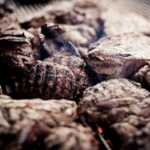
Cooking over an open fire is arguably one of the earliest and most fundamental methods of food preparation. This technique dates back to prehistoric times, when our ancestors discovered the benefits of harnessing fire. Early humans would dig pits, fill them with wood, and ignite a fire before placing food directly over the flames or using hot stones for indirect heat. This primal method of cooking is still prevalent today in many cultures, particularly in outdoor and survival cooking scenarios.
Common fire pit cooking methods:
- Roasting: This involves cooking meat, fish, or vegetables over an open flame, often on a spit, skewer, or grill. The intense heat from the fire caramelizes the sugars in the food, creating a crispy exterior while keeping the inside moist and tender.
- Smoking: Smoking is a method that uses slow-burning wood to cook and flavor food. This technique not only enhances the taste but also helps in preserving meats. Different types of wood can impart unique flavors, from hickory to applewood, making smoked dishes a culinary delight.
- Baking in embers: This method involves wrapping food in leaves, clay, or foil and placing it in hot coals for slow, even cooking. It’s a technique used by various cultures around the globe, resulting in tender and flavorful dishes.
Cooking over an open fire imparts a distinct smoky flavor that enhances the taste of food. This method requires patience and skill to control heat and prevent burning. The connection to the primal act of cooking over fire also brings a sense of nostalgia and warmth to communal gatherings, where families and friends come together to share meals prepared with love.
Clay and Earthenware Cooking
Clay pots and earthenware have been used for centuries to cook food slowly and evenly. This method is popular in many traditional cuisines around the world, as it preserves the natural flavors and nutrients of ingredients while adding a unique earthy taste. Clay cooking pots are often unglazed, allowing food to breathe and absorb moisture, creating a superior and rich flavor profile.
Popular clay cooking techniques:
- Tandoor Cooking: A tandoor is a traditional clay oven widely used in Indian and Middle Eastern cuisine for baking bread and roasting meats at high temperatures. The design of the tandoor allows for a unique cooking environment that retains heat, making it perfect for dishes like naan, kebabs, and tandoori chicken.
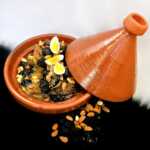
- Tagine Cooking: A tagine is a Moroccan clay pot with a conical lid that traps steam, allowing food to cook in its own juices for tender, flavorful dishes. The slow cooking process and the conical shape help to retain moisture and enhance the flavors, making tagine a staple in Moroccan households.
- Underground Pit Cooking: This technique, known as “Hāngi” in New Zealand and “Barbacoa” in Mexico, involves burying food with hot stones for slow, even cooking. It is often used for special occasions and celebrations, resulting in succulent meats and flavorful vegetables.
Clay cooking continues to be widely practiced today due to its ability to retain moisture and enhance flavors without requiring excessive fats or oils. The use of clay pots in cooking not only connects us to our culinary heritage but also promotes sustainable cooking practices, as these materials are often locally sourced and environmentally friendly.
Stone and Cast-Iron Cooking
Stone and cast-iron cooking techniques provide excellent heat retention and distribution, making them ideal for various traditional dishes. Many ancient civilizations used heated stones to grill or boil food, while cast iron became a staple in kitchens around the world, praised for its durability and versatility.
Some notable examples include:
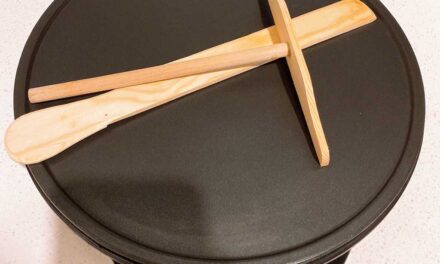
- Griddles and Flat Stones: Ancient civilizations relied on griddles and flat stones to cook bread, tortillas, and pancakes efficiently. The flat surface helps distribute heat evenly, resulting in perfectly cooked flatbreads that are a foundational part of many diets.
- Cast-Iron Skillets: Cast-iron skillets are a staple in traditional Southern, European, and Asian cooking. They are ideal for frying, searing, and baking, thanks to their ability to retain heat. Foods cooked in cast iron often develop a beautiful crust and deep flavor.
- Dutch Ovens: Heavy cast-iron pots, known as Dutch ovens, are perfect for slow cooking, stews, and braising. They are often used in campfire cooking, allowing for a range of dishes that can be prepared outdoors.
The versatility of stone and cast-iron cooking methods is one of the reasons they have remained popular for centuries. They not only enhance the flavors of the food but also evoke a rustic charm that many modern cooking methods cannot replicate.
Slow Cooking Techniques
Slow cooking has long been a method used to extract deep flavors from ingredients while tenderizing tough cuts of meat. It’s a cooking style that allows flavors to meld beautifully over time, resulting in hearty and satisfying meals. Traditional slow cooking techniques continue to inspire modern methods, including electric slow cookers and pressure cookers.
Some well-known slow-cooking methods include:
- Stewing: Stewing involves simmering ingredients in liquid for hours, often in a clay or cast-iron pot. This method allows the flavors from the ingredients to infuse into the liquid, resulting in rich, hearty dishes that are perfect for colder months.
- Braising: Braising is a technique where meat is cooked slowly in a small amount of liquid, allowing tough cuts to become tender and flavorful. This method is commonly used for cuts like brisket and pork shoulder, creating dishes that are comforting and full of depth.
- Crockpot or Slow Cooker: The modern electric adaptation of traditional slow-cooking techniques offers convenience and consistency. Slow cookers allow busy individuals to prepare meals in advance, letting the appliance do the work while they go about their day.
Slow cooking remains popular due to its ability to develop deep, complex flavors with minimal effort. Many cultures have their variations, such as the French “pot-au-feu,” a hearty stew made with meat and vegetables, or the Japanese “nabe,” a hot pot dish that is often shared among family and friends.
Conclusion
From fire pits to slow cookers, traditional cooking methods have shaped the way we prepare food throughout history. Each technique adds unique flavors and textures to our meals, preserving culinary traditions that continue to be cherished today. Whether you prefer the rustic charm of a fire pit, the authenticity of clay pot cooking, or the convenience of a slow cooker, embracing these timeless methods can enhance your cooking experience.
These cooking techniques not only connect us to our ancestors but also allow us to explore diverse culinary traditions from around the world. The evolution of cooking methods serves as a testament to human ingenuity and our constant quest to improve the way we prepare and enjoy food. As we continue to innovate and adapt in the kitchen, it is essential to honor and celebrate the traditional methods that have enriched our culinary heritage. By doing so, we not only preserve these invaluable techniques but also foster a deeper appreciation for the diverse flavors and cultures that shape our global dining experiences.