














Comprehensive Buying Guide To Wheel Pastry Cutters
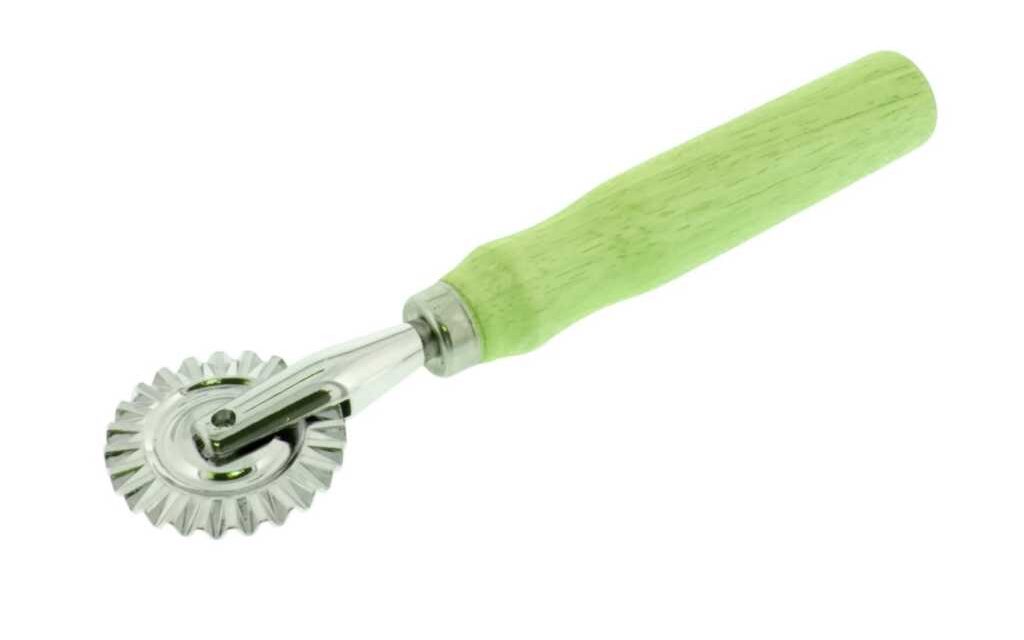
A wheel pastry cutter is a simple yet indispensable tool for anyone who enjoys baking or cooking. This versatile tool is designed to cut dough into precise shapes and sizes, making it ideal for creating everything from perfectly cut pizza slices to flaky pie crusts.
In this buying guide, we will explore the various functions, features, types, and categories of wheel pastry cutters, as well as the factors to consider when selecting one.
Functions and Features
The function of a wheel pastry cutter is simple: it cuts dough into precise shapes and sizes. However, there are various features that distinguish one cutter from another.
Some of the key features to look for when selecting a wheel pastry cutter include:
- Blade size: The size of the blade can range from 2 to 4 inches, with larger blades able to cut through thicker dough more easily. However, larger blades can be harder to maneuver, so consider what size is most suitable for your needs.
- Blade material: The blade can be made of stainless steel, carbon steel, or other materials. Stainless steel is durable and easy to clean, while carbon steel is sharper and can cut through tougher dough.
- Handle material: The handle can be made of plastic, wood, or metal, and it should be comfortable to hold and easy to grip. Wood and plastic are lightweight and affordable, while metal handles are sturdy and long-lasting.
- Blade guard: Some wheel pastry cutters come with a blade guard to protect your fingers while cutting. This is an important safety feature to consider, especially if you are new to using a pastry cutter.
- Dishwasher safe: If you plan on using your wheel pastry cutter frequently, look for one that is dishwasher safe for easy cleaning.
- Adjustable blades: Some models come with adjustable blades that allow you to cut dough to different thicknesses. This feature is particularly useful if you need to cut dough for different recipes.
- Storage: Consider how you plan to store your wheel pastry cutter. Some models come with a protective case or sheath, while others can be hung on a hook for easy access.
Types and Categories
There are several types of wheel pastry cutters available, each with its own unique design and function. Some of the most common types include:
- Straight wheel pastry cutter: This is the most common type of wheel pastry cutter, and it is used for cutting straight lines in dough.
- Fluted wheel pastry cutter: This type of cutter has a wavy blade that creates a decorative edge on pastry dough. It is often used for creating pie crusts or other decorative pastries.
- Double wheel pastry cutter: This cutter has two blades that can cut two parallel lines at once. It is often used for cutting pasta dough or for creating lattice patterns on top of pies.
- Ravioli cutter wheel: This cutter has a zigzag or curved blade that is used to cut and seal ravioli. It is an essential tool for anyone who loves making homemade pasta.
Selection and Purchasing Criteria
When selecting a wheel pastry cutter, there are several important factors to consider. Some of the key criteria to keep in mind include:
- Quality: Look for a cutter with a high-quality blade that is durable and sharp. You want a cutter that will last for years and that will provide consistent, reliable results.
- Comfort: Choose a cutter with a handle that is comfortable to hold and easy to grip. This will make it easier to use the cutter for extended periods of time.
- Purpose: Consider what type of dough you will be cutting and choose a cutter that is suited to that purpose. For example, if you plan on making ravioli, a ravioli cutter wheel is essential.
- Brand reputation: Choose a reputable brand with a good track record of producing high-quality kitchen tools. Look for reviews and ratings from other customers to get an idea of the performance of different models.
- Price: Wheel pastry cutters come in a range of prices, from budget-friendly options to high-end models. Consider your budget and choose a cutter that provides good value for money.
Pros and Cons
There are many advantages to using a wheel pastry cutter, including:
- Precise cutting: A wheel pastry cutter allows you to cut dough into precise shapes and sizes, which is essential for creating perfect pastries and baked goods.
- Versatility: With different types of blades available, a wheel pastry cutter can be used for a wide range of cutting tasks, from straight lines to decorative edges.
- Ease of use: A wheel pastry cutter is simple to use and requires minimal effort, making it a great tool for both novice and experienced bakers.
However, there are also some disadvantages to consider, including:
- Safety concerns: The sharp blade of a wheel pastry cutter can be dangerous if not handled properly, so it’s important to use caution and store it safely.
- Not ideal for large batches: If you need to cut a large amount of dough, a wheel pastry cutter may not be the most efficient option.
Conclusion
A wheel pastry cutter is a versatile and useful tool for any home baker or cook. When choosing a wheel pastry cutter, consider the blade size, material, handle material, blade guard, adjustability, dishwasher safety, and storage options. There are different types and categories of wheel pastry cutters, including straight, fluted, double wheel, and ravioli cutters. When selecting a cutter, look for quality, comfort, purpose, brand reputation, and price.
Remember that while wheel pastry cutters have many advantages, they also have limitations, such as limited cutting capacity and blade safety concerns. With these factors in mind, you can choose the best wheel pastry cutter for your needs and enjoy precise, easy cutting for years to come.